Look out for the BBC’s three-part serial “Rise of the Nazis”. It concluded last Friday in London. It reveals how easily Adolf Hitler came to power, and the extent to which the German establishment facilitated his rise. And running through it is the call of nationalism.
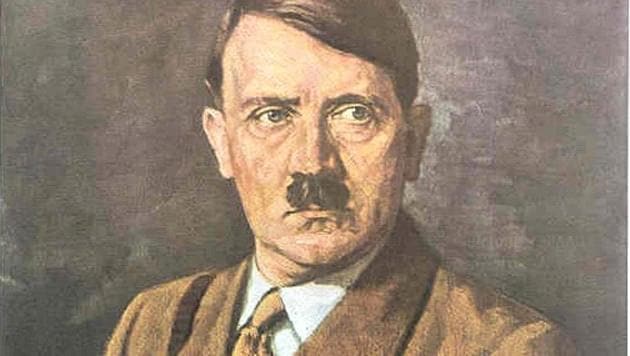
Hindenburg was president, and von Schleicher and von Pappen, the immediately preceding chancellors. They knew the Nazis could destroy the Weimar Republic but naively thought they could use Hitler to tackle what they considered a greater threat, the communists. Alas, they had no idea of Hitler’s appeal. His promise to make Germany great again and fix its broken economy made him look like the saviour of the German people. Meanwhile his Stormtroopers ruthlessly dealt with dissent.
In January 1933, Hitler became chancellor after von Pappen stepped down and agreed to be his deputy. In the next six months, Germany changed rapidly. First, in February, Hindenburg agreed to Hitler’s Reichstag Decree, giving the Nazis emergency powers to arrest and imprison without charge, and restrict civil liberties. In weeks, 25,000 were arrested. Then, on the March 23, the Reichstag passed the Enabling Act. Democracy was suspended and Hitler could govern without Parliament’s approval. Yet, all the while, Hindenburg, von Schleicher and von Pappen thought Hitler was their man and willing to do their bidding!
Tucked away in Bavaria, was Heinrich Himmler, the head of the Schutzstaffel (SS). His organization saw itself as Hitler’s most loyal soldiers. They were anti-Semitic, anti-Left, anti-democratic. They invented the concept of “protective policy custody” to arrest opponents of the Nazis. Hundreds of thousands were locked up without access to courts and the first concentration camp to “re-educate prisoners” set up in Dachau. Himmler brought every state in Germany under SS control, making it one of the most powerful institutions of the Nazi State. He also knew how to read Hitler’s personality, and played on Hitler’s dislike of judicial and bureaucratic constraints and his fear of assassination.
{{/usCountry}}Tucked away in Bavaria, was Heinrich Himmler, the head of the Schutzstaffel (SS). His organization saw itself as Hitler’s most loyal soldiers. They were anti-Semitic, anti-Left, anti-democratic. They invented the concept of “protective policy custody” to arrest opponents of the Nazis. Hundreds of thousands were locked up without access to courts and the first concentration camp to “re-educate prisoners” set up in Dachau. Himmler brought every state in Germany under SS control, making it one of the most powerful institutions of the Nazi State. He also knew how to read Hitler’s personality, and played on Hitler’s dislike of judicial and bureaucratic constraints and his fear of assassination.
{{/usCountry}}The German system had many opportunities to reverse what was happening. But the establishment failed to respond. Hans Litten, a lawyer, petitioned the courts against the thuggish Stormtroopers but they would not support him. Josef Hartinger, then deputy national prosecutor, discovered the truth about Dachau but his bosses would not listen. At every turn, the system gave Hitler the benefit of the doubt or looked the other way.
So, in 180 days, Hitler decimated the opposition, subverted the legal system, created the Gestapo, expanded the SS, opened Dachau, and beguiled the German people with Nazi nationalism. Hindenburg, as president, was the only man with the power to sack him. Instead, he fell victim to Hitler’s charms. By 1934, he was dead and von Schleicher and von Pappen killed. Hitler celebrated the Night of the Long Knives by inviting his Cabinet and their wives to a party. Champagne was served and everyone behaved as if nothing had happened the day before. Hitler now had supreme control. He had cajoled, coerced and manipulated his way to dictatorship whilst those who could have stopped him helplessly watched.
I guess the BBC’s intention is to show how easily the rise of the Nazis happened and, perhaps, prevent it from occurring again. It was not inevitable and it could have been checked. There were several warning signs. They just weren’t heeded. This is, therefore, a story worth retelling. Democracy is fragile. In order to be open and inclusive, it leaves itself vulnerable to being taken over by anti-democratic forces. This is why democracy should never be taken for granted. It needs vigorous defence.
At the end of the third episode, when the screen turns to black and the credits roll, there was only one thought in my mind. If it could happen so easily to Germany……