


 Live Score
 Cricket Teams
 Cricket Players
Abhishek Sharma's lean patch is loud, but India's real concerns before semi-final clash vs England lie elsewhere
As India prepares for the semi-final against England, focus on Abhishek Sharma's poor form is overshadowing crucial tactical issues.

 Prefer HTon Google


India’s semi-final build-up against England has produced the usual pre-knockout obsession: find the weak link, zoom in, and make it the story. This time, the easiest target is Abhishek Sharma. Three ducks in a tournament and a run of low scores will always drag the conversation in that direction.
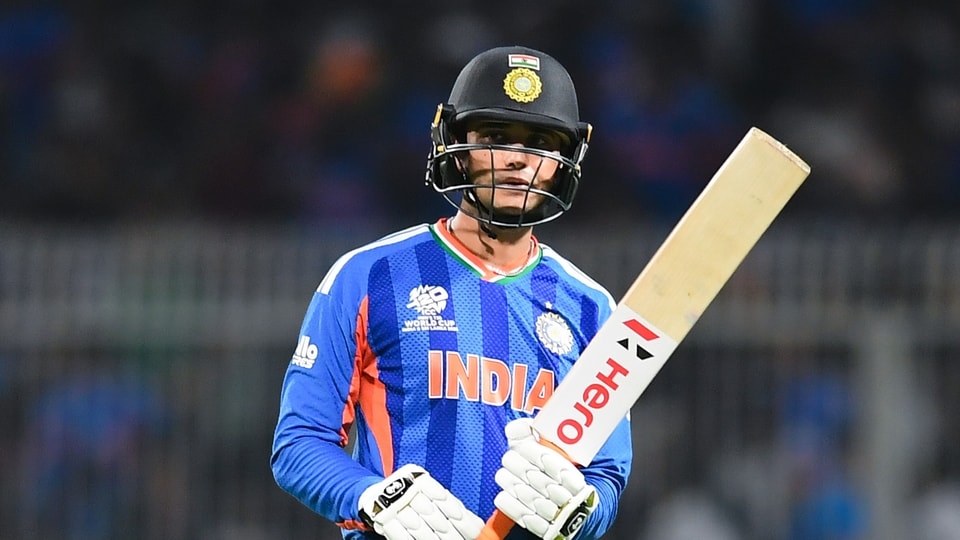
But this is exactly where knockout analysis can go wrong. Abhishek’s form is a talking point; it is not the defining verdict of India’s chances. More importantly, his numbers need to be read through the lens of what he is this side, not what people suddenly want him to become.
Trust the disruptor
There is no value in pretending his returns have been good. They have not. The scoreline looks harsh, and the sequence makes it look harsher.
But Abhishek Sharma is not in India’s XI to offer polite, steady starts. He is there to attack the first phase, unsettle the opposition, force field changes and push the bowlers off script before they can even settle into rhythm. That is a specialist role, and it comes with its own hazards.
When a classical opener is out of form, he can still produce 25 off 20 and leave the inning looking intact. When a high-impact batter is out of rhythm, the dip is visible immediately: a mistimed hit, a hard-handed push, a dismissal before the innings properly started. The method is front-loaded with risk, so the failures are front-page failures too.
Why players like this always look worse in a lean patch
This is where Abhishek is getting judged unfairly. We often compare all top-order failures as if they are the same thing. They are not.
A low-risk batter can hide poor touch inside occupation. A high-impact batter cannot. He has to declare intent early. If timing is off by even a fraction, the outcome looks reckless. If timing clicks, the same shot suddenly looks like momentum-changing authority.
That is the life cycle of high-impact batters like Abhishek Sharma. They are inherently volatile because their value lies in possibility rather than predictability. Teams pick them for what they can do to a match's shape, not for the comfort of consistent contributions. And in T20 cricket, especially in knockouts, that possibility has outsized value. One short burst can redraw the entire innings.
The Sehwag-Gilchrist precedent
Abhishek Sharma is not Virender Sehwag or Adam Gilchrist in stature - not yet, and that is not the point. The post is the batting archetype.
Sehwag and Gilchrist belonged to that category of batters who could alter the emotional temperature of a game very early. Bowlers knew that one over of slight inaccuracy could become a problem. They also knew those same batters could look vulnerable in lean phases because they refused to become docile just to protect averages.
That is the right lens for Abhishek right now. Players of this type often attract the loudest criticism at exactly the moment they remain most dangerous. The scores indicate he is struggling, and the opposition still plans to remove him quickly. The gap matters. It tells you the threat has not disappeared, only the rhythm has.
India’s bigger concern is not Abhishek’s form, but how the game is shaped around him
India’s real tactical questions against England lie elsewhere: handling England's powerplay aggression, managing the middle overs if dew comes in, and preventing England’s batting depth from turning one recovery into another surge. Those are the structural issues that will define the match.
Abhishek’s form sits inside the bigger picture, but it does not dominate it. In fact, India can still win comfortably even if Abhishek fails again, provided they control the larger phases. And they can still lose even if he gets his rhythm back, if the broader tactical battle slips. That is precisely why his lean patch, while real, should not be inflated into India’s primary concern.
What India need from Abhishek
The mistake teams sometimes make with impact batters in a slump is asking for a personality transplant. Suddenly, the aggressor is told to bat time, settle in, and become a safer version of himself. That often removes the very edge he was picked for.
India do not need Abhishek Sharma to become a conservative opener in a semi-final. They need a smaller correction: cleaner choices in his first few balls, better pick-up conditions, and the patience to delay one release shot rather than force the first available one.
That is a reset, not a rewrite. And if he finds that rhythm, even briefly, India get back the exact upside they selected - a left-handed opener who can bend the momentum of the game and put England on the back foot even before the game gets on the way properly.
That is why Abhishek Sharma’s lack of form is not India’s biggest concern. It is a visible concern. With players like him, visibility can often be misleading. The same profile that produces a rough sequence can also produce the innings that changes the night - and in knockout cricket, teams live with that risk because the reward is often worth far more than the anxiety.


