


 Live Score
 Cricket Teams
 Cricket Players
Explainer: Why Heinrich Klaasen was given out despite Phil Salt's dodgy catch at the boundary
Heinrich Klaasen's dismissal in IPL 2026 sparked debate due to inconclusive replays.

 Prefer HTon Google


Heinrich Klaasen’s dismissal became one of the biggest talking points of the IPL 2026 opener because it came at a decisive stage of the match and because the replay never offered a picture clean enough to end the debate. Sunrisers Hyderabad were 126/3 at the start of the 14th over when Klaasen, batting on 31 off 21, fell off Romario Shepherd. He and Ishan Kishan had put together a 97-run stand to repair the innings, so this was not a minor wicket in the middle of nowhere. It came just when SRH were rebuilding with purpose. The controversy only grew in hindsight because RCB eventually chased 202 with ease, winning by six wickets, which made the dismissal feel even more significant in the shape of the game.
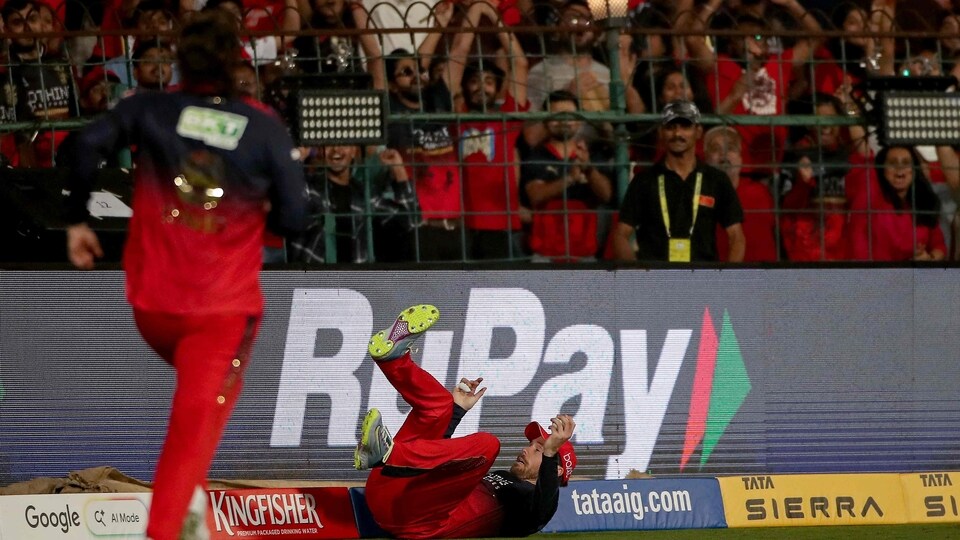
The moment itself was simple enough in live play. Klaasen tried to clear the leg side, Phil Salt settled near the boundary and completed the catch close to the rope. Because of how tight the take was, the on-field umpires referred it to the upstairs umpires immediately. The central question was whether Salt had touched the boundary rope or cushion while still in contact with the ball. That, and only that, was what the third umpire had to judge.
The decision was about evidence, not appearance
This is the key to understanding why Klaasen was given out. The third umpire was not working on suspicion or on the fact that the catch looked messy in real time. He had to decide whether there was conclusive visual evidence showing Salt had made contact with the boundary cushion or rope while completing the catch. The available replays were judged inconclusive. In other words, there was no definitive angle that proved boundary contact clearly enough to disallow the catch. That is why the dismissal stood.
Under the laws of the game, if a fielder is in contact with the boundary, the boundary object, or the ground beyond while touching the ball, the catch is not fair. So the law itself is not in doubt here. Had there been a clear replay showing Salt brushing the cushion or grounding himself on it while in contact with the ball, Heinrich Klaasen should not have been out. But that was not what the third umpire believed the footage established.
The reason the decision remained controversial is equally clear. Some replay angles were close enough to raise doubt, and there was visible discussion about whether the boundary cushion may have moved. That was enough to make the call look uncomfortable, and Klaasen himself was visibly unhappy as he spoke to the officials before walking off. But uncomfortable is not the same as conclusive. That is the distinction that decided the wicket.
So the clear explanation is this: Klaasen was given out because the third umpire did not find conclusive evidence that Phil Salt had touched the boundary cushion or rope while completing the catch. It was a decision many viewed as harsh and debatable, but in practical terms, it was not judged clearly enough to overturn.


