


 Live Score
 Cricket Teams
 Cricket Players
Ishan Kishan vs Rishabh Pant vs Dhruv Jurel: Analysis of India's wicketkeeper selection dilemma for New Zealand ODIs
Ishan Kishan, Rishabh Pant and Dhruv Jurel are competing for a spot in India's ODI squad. What does role-fit, current form and squad demand say?

 Prefer HTon Google


India don’t really have a wicketkeeper problem in ODIs; they have a role-definition problem. If the keeper-batter is picked as a like-for-like replacement for an opener, you’ll keep cycling names. If he’s picked to solve a slot, the choice gets easier.
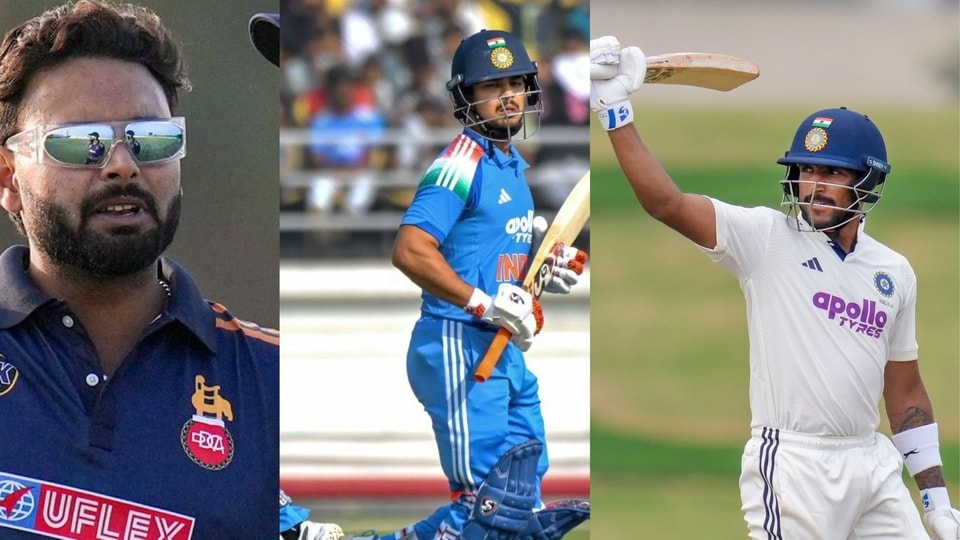
So, let’s frame it properly: for India’s ODI squad, this debate is about who best covers the middle-order wicketkeeper role while offering either left-right balance or matchup flexibility, who is actually showing form right now.
Breaking down Jurel, Pant, Kishan
Dhurv Jurel and his outrageous form
Dhruv Jurel’s VHT form is outrageous. Uttar Pradesh’s first three matches have basically been a Jurel masterclass. He has scored 307 runs in three innings and is one of the early standouts in the tournament.
What that tells selectors: he is seeing the ball big, he can bat time, and he can accelerate. But the ODI question is slightly different. Jurel is still light on List A volume and hasn’t built a role identity yet.
As a squad call, Jurel makes sense as the next in line keeper-batter being groomed, especially in A tours or as a travel reserve. As the clear first-choice among these three for ODIs right now, the profile is still one step early.
Rishabh Pant: Biggest upside, but recent evidence keeps him out
Rishabh Pant’s ODI record is good but not dominant. In 31 matches, he has scored 871 runs at an average of 33.50. The bigger issue is that his ODI rhythm hasn’t been built recently, and his current domestic returns aren’t screamingt pick me and build the XI around me.
In VHT, Pant has had one bright moment, 70 vs Gujarat, with the other two outings going quieter. That’s not condemnation, it's just not a strong enough recent sample to leapfrog a direct competitor who is ticking more boxes today.
Pant absolutely remains India’s highest ceiling keeper-batter after KL Rahul, but this specific selection call is about who deserves the ODI slot now, not who has the most talent in theory.
Also Read: How the costliest buys of IPL 2026 auction are performing: A look at Prashant Veer, Aquib Dar, others' VHT performances
Ishan Kishan: the cleanest fit at present
Ishan Kishan’s ODI output is already banked: 27 ODIs, 933 runs, average 42.40, with an ODI double hundred in his CV. More importantly, he brings something India’s middle order often lacks: a left-handed wicketkeeper-batter who can change tempo without needing 40 balls to warm up.
The recent form box? He has basically stamped it with a sledgehammer. In this VHT, Kishan blasted 125 off 39 balls against Karnataka, and crucially, he did it batting at number six, which is exactly the flexibility India want from a squad keeper in ODIs.
Add the Syed Mushtaq Ali Trophy context, and the argument becomes even clearer: Kishan was the leading run getter in the tournament, showing sustained hitting rather than a one-off cameo.
Conclusion
Looking through the lens of role clarity, adding left-hand variety, current form, and adaptability, Ishan Kishan looks like the best fit.
Jurel is the red-hot domestic form batter and should be kept close as a developing ODI option. Pant is the premium talent, but he needs a clearer recent runway before you hand him this specific slot again. Kishan, meanwhile, is already performing like a modern ODI squad player: multi-position, match-up ready, and in explosive touch.


