Delhi bad air quality, which has been making news in the recent months, is not the only issue plaguing the city.
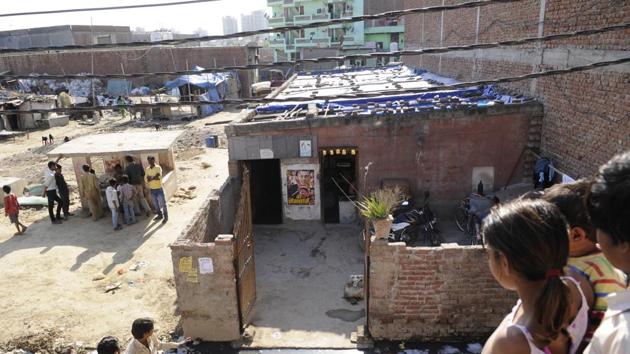
With a population of over 18 million, Delhi — the second most crowded city in India — is under immense stress today by way of its social economic problems.
According to Madhav Pai, director at World Resources Institute (WRI) India Sustainable Cities, engaging more experts can be a strong method adopted by governments both in the Centre and state in finding solutions to problems of unplanned growth, lack of sanitation, overcrowded public transport and unregulated new mobility options.
To find solutions to such problems and push for building of more sustainable cities across India, WRI India will kick off Connect Karo 2017, a three-day global conference from Wednesday.
The conference will seek to bring together politicians, policy makers, think tanks, business and leaders from national and international arena, to discuss issues of urban planning, transport, energy, water and sustainable development.
“Over the next three days, the thought leaders will brainstorm ideas and push for collaborations to make Delhi and other mega cities and fast growing new cities ecologically viable, clean, efficient and equitable for its citizens,” Pai said.
A major highlight of the conference is going to be the Transit-Oriented Development (TOD) policy released by the Delhi Development Authority (DDA). The policy looks at changing Delhi’s map from a city with haphazard growth, to one where areas around transit hubs or metro stations and ISBTs are made densely populated.
{{/usCountry}}A major highlight of the conference is going to be the Transit-Oriented Development (TOD) policy released by the Delhi Development Authority (DDA). The policy looks at changing Delhi’s map from a city with haphazard growth, to one where areas around transit hubs or metro stations and ISBTs are made densely populated.
{{/usCountry}}However, the policy is feared to lead to an unexpected logjam. The announcement of such a policy will lead to a hike in real estate price in the TOD regions, making them unaffordable for the middle class who would prefer to live in such localities. Also, the financially affluent classes, who can afford high property rates, would not choose to live in such densely populated areas.
“The key to TOD is to push for smaller houses ranging from 400-500 square feet,” said Pai.
The event is also going to offer solutions to public transport. He added that the focus of the government needs to shift from building Metros to manufacturing more buses. “India manufactures only 30,000 buses annually, whereas, China already is at 2,50,000. Our study shows that only the urban roads in India need around 3,00,000 buses, whereas the need in rural areas is about 6,00,000,” he said.
Stay updated with all top Cities including, Bengaluru, Delhi, Mumbai and more across India. Stay informed on the latest happenings in World News along with Delhi Election 2025 and Delhi Election Result 2025 Live, New Delhi Election Result Live, Kalkaji Election Result Live at Hindustan Times.
Stay updated with all top Cities including, Bengaluru, Delhi, Mumbai and more across India. Stay informed on the latest happenings in World News along with Delhi Election 2025 and Delhi Election Result 2025 Live, New Delhi Election Result Live, Kalkaji Election Result Live at Hindustan Times.