
 E-Paper



A tightrope walk for India
New Delhi will soon have to balance its energy security interests and the need to reassure the West. Neither can be compromised – and that’s the challenge

 Prefer HTon Google


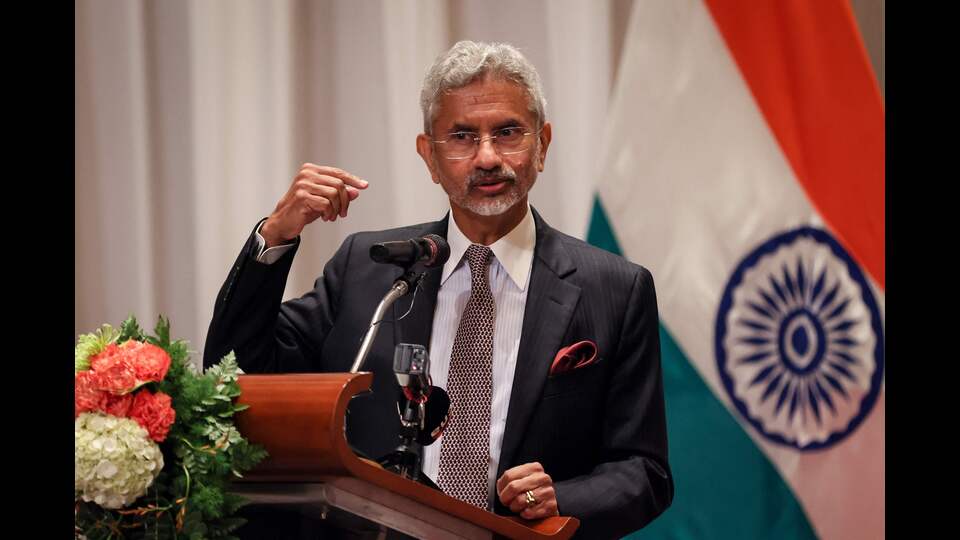
External affairs minister S Jaishankar has once again mounted a strong defence of India’s decision to take up Russia’s offer of discou-nted crude, saying the move was imperative to protect citizens from high energy prices at a time when many of the country’s traditional suppliers are diverting oil and gas to energy-starved Europe. The bottom line, according to the minister, is ensuring the best deal for people who cannot afford higher energy prices. In doing this, India has been open and honest and its position has been appreciated even by partners such as the United States (US), Mr Jaish-ankar stated. The fallout of the war in Ukraine on global energy prices continues to impact countries around the world, and with no imminent signs of an end to the war, the energy markets will be roiled for some time to come.
As such, there are no easy options to ensure energy security for India, the world’s third-largest consumer of crude oil, more than 80% of which is imported. The oil purchases from Russia have the added benefit of preventing Moscow from being overly reliant on Beijing, especially when India’s relations with China are at an all-time low because of the military standoff on the Line of Actual Control (LAC). Last month, India and China accounted for more than 41% of all of Russia’s oil exports, almost double the figures for July last year, though there are indications that imports by both countries are slowing down.
However, India will have to look closely at the trade-off between ensuring energy security and the geopolitical tightrope it has to walk in the current circumstances. While even the US acknowledges that the possibility of India reorienting its strategic relationship with Russia is an extremely long-term proposition, there are no signs of a let-up in the pressure on India to stop buying Russian oil. A top Reserve Bank of India official recently acknowledged that the US had expressed concern about Indian refiners being used to export fuel made from Russian crude, following the transfer of oil on the high seas. There are also signs of the noose being further tightened on Russian energy exports, including a price-capping mechanism by the Group of Seven economies that is expected to be in place by December and the long-term possibility of restrictions on maritime insurance for vessels carrying Russian crude. All of this will involve more tightrope walking by India and balancing its energy security interests, and the need to reassure its partners in the West. Neither can be compromised — and that’s the challenge.


