
 E-Paper



Attack the roots of radicalisation
Punjab’s socioeconomic crises have created a conducive environment for separatists. Pulling the state out of it will need careful planning

 Prefer HTon Google


It isn’t clear where Amritpal Singh, the enfant terrible of the latest iteration of the Khalistani movement, is, but Indian law enforcement agencies appear to have successfully interrupted the upward trajectory of the Waris Punjab De chief with a weekend crackdown that has thus far seen 112 of his supporters being arrested. Mr Singh burst on the scene only last year, ready to leverage disaffection among a large section of the population — starting with the protests against the farm laws, but generally to do with poor socioeconomic prospects — and reopen old wounds that haven’t completely healed in Punjab.
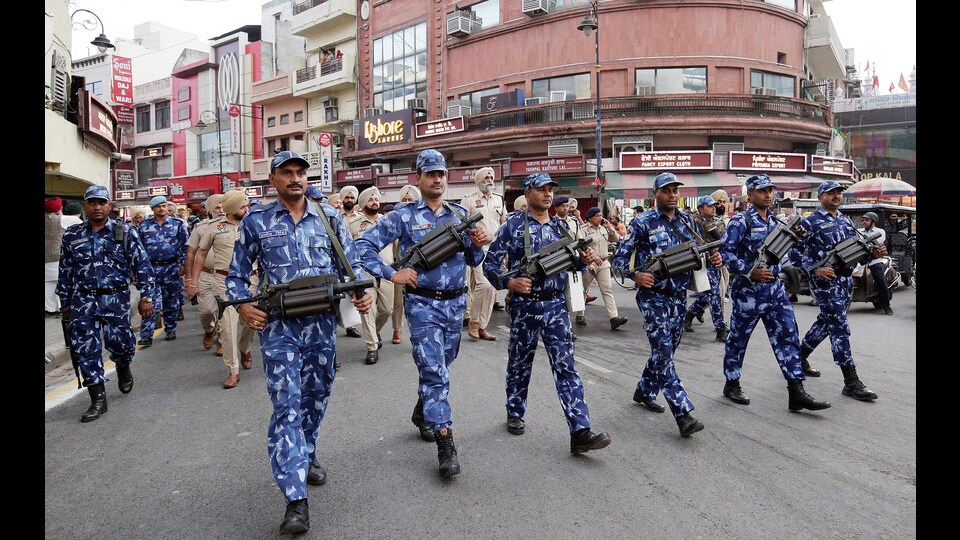
The dust is just beginning to settle on the operation against the radical Sikh preacher who has four criminal cases against him, involving allegations of spreading communal disharmony, attempt to murder and attacking policemen, including the February 23 siege of a police station in Amritsar district by thousands of his supporters. Yet, questions remain. What is Mr Singh’s provenance? Who is behind him? What explains his decision to parachute into India, get baptised as a Sikh again and take over the reins of an outfit with barely disguised separatist intent? What explains the near-complete lack of protests against the weekend action in Punjab, and the almost orchestrated ones in the United States, the United Kingdom, and Australia? And why did so many people in Punjab, where separatist sentiment was on the ropes, take to him so quickly?
It is clear that the response to Mr Singh, and to others like him who may emerge in the future, has to span several dimensions — administrative, legal, social and political. The fall in per capita incomes — from the highest to below the national average in 40 years — arising from the declining returns from agriculture is one reason for the disquiet in the state. A rampant drug use problem that successive governments have sought to dismiss (or be in denial about) has meanwhile ruptured the social fabric of the state. Together, these have created a conducive environment for separatist forces, aided by some foreign powers, to foment trouble. State and federal law enforcement agencies must crack down on such attempts (as they have over the weekend) and stay vigilant. But the larger solution lies in pulling Punjab out of the socioeconomic rut — and that won’t be easy.


