
 E-Paper



Bolster democratic forces in Sri Lanka
India has extended financial, medical, and humanitarian help while maintaining a concerned but neutral stance, encouraging all stakeholders to arrive at a peaceful and democratic solution to the crisis

 Prefer HTon Google


A weeks-long simmering protest in Sri Lanka boiled over this weekend as groups of protesters broke through police and law enforcement barricades and barged into the presidential palace, forcing president Gotabaya Rajapaksa to announce that he will be resigning later this week. The recently installed prime minister, Ranil Wickremesinghe, also appears to be on a sticky wicket after protesters set his private residence on fire and said they will continue to occupy the official residences until the two leaders quit and the government collapses.
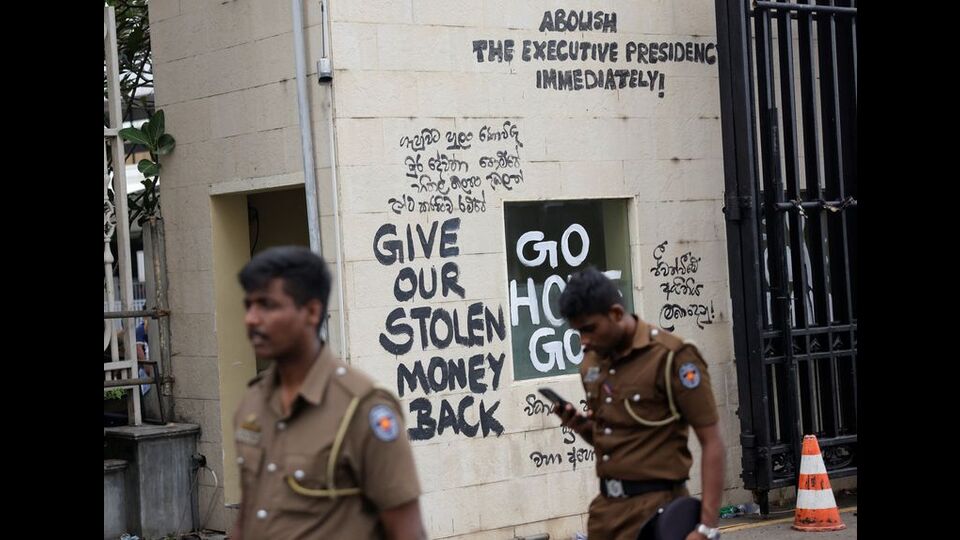
The dramatic escalation in the tensions that have been roiling the island nation appears to have marked the end of the era of dominance of the Rajapaksa clan. With Mr Rajapaksa out, former prime minister Mahinda Rajapaksa forced to flee his residence weeks ago, and former finance minister Basil Rajapaksa tendering his resignation, it is unlikely that the powerful family – which once wielded influence in almost every sphere of governance in the country – will regain its sway, at least in the short- to middle-term.
India has devised a carefully calibrated strategy during this period of turbulence. It has extended financial, medical and humanitarian help while maintaining a concerned but neutral stance, encouraging all stakeholders to arrive at a peaceful and democratic solution to the crisis. But as Sri Lanka heads into an uncertain political future – the Opposition parties are meeting on Sunday to discuss the formation of a possible government – and China’s demonstrated proclivity to fish in troubled geopolitical waters, New Delhi will have to redouble diplomatic and humanitarian efforts to navigate these choppy political waters.
There are many reasons for the current crisis – economic mismanagement, misguided policy, concentration of political powers and erosion of institutional checks and balances. But with the country in talks with the IMF to resolve its payments crisis, a steady political hand will be crucial to steer the country towards a more robust future. Bolstering democratic forces, curtailing the concentration of powers in the office of the president (a proposal is before the cabinet currently) and moving towards a peaceful solution in Sri Lanka will be important for a secure South Asian future.


