
 E-Paper



Collegium for consistency
The collegium should evolve uniform norms on disclosure, legitimate confidentiality, and recording of reasons

 Prefer HTon Google


Justice Ujjal Bhuyan’s remarks questioning the Supreme Court collegium’s recent retreat from recording reasons for judicial appointments have revived an uncomfortable but necessary debate. Nearly a decade after the collegium began publishing its resolutions in the interests of transparency, the institution appears to have made a U-turn, with recent recommendations once again reduced to bare announcements. The concern is not merely about disclosure; it is about consistency.
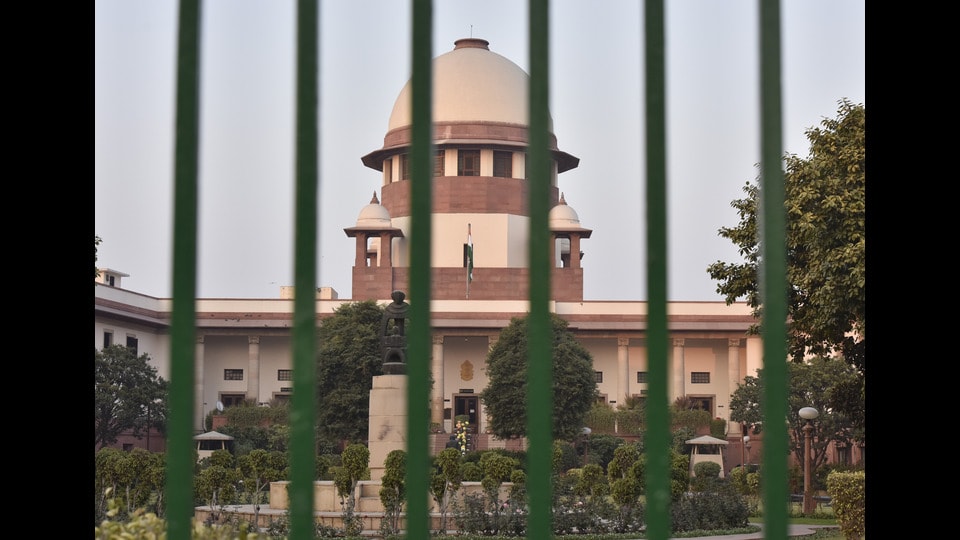
The collegium has always struggled to balance two competing values. Greater transparency enhances public confidence and allows scrutiny of whether appointments are based on objective criteria. At the same time, disclosure can unfairly damage the reputation of candidates, particularly sitting judges, whose names are in the zone of consideration but ultimately dropped or deferred. Publicising adverse comments or comparative assessments may cast lasting doubts over judges who continue to serve, even when no finding of impropriety exists. These concerns cannot be lightly dismissed. Yet the answer cannot be to swing between detailed disclosures under one collegium, comprising the Chief Justice of India and the four most senior judges, and complete opacity under another. Such fluctuations only reinforce the perception that transparency depends on the personal philosophy of the collegium of the day rather than on an institutional commitment. The Supreme Court itself, while striking down the National Judicial Appointments Commission in 2015, acknowledged the collegium’s shortcomings in transparency and accountability and accepted the need for reform.
What is missing is a settled, principled framework. The collegium should evolve uniform norms specifying what must invariably be disclosed, what may legitimately remain confidential, and how reasons are to be recorded. The objective need not be publication of every internal discussion or dissent. It may well suffice to place in the public domain the broad criteria that informed a recommendation while protecting confidential material that could unjustifiably smear unsuccessful candidates.
Equally important is the process through which such norms are framed. Questions affecting the institutional credibility of judicial appointments should not depend on the views of the five-member collegium alone. They merit deliberation by the full court so that the Supreme Court speaks with one institutional voice. A framework endorsed collectively would ensure continuity across successive collegiums and prevent repeated reversals in policy.
The debate, therefore, is not one of transparency versus confidentiality. It is about replacing ad hoc discretion with predictable institutional standards. For an institution whose legitimacy rests on reasoned decision-making, consistency in its own appointment process is indispensable.


