
 E-Paper



Empower women informal workers
It is essential to ensure lower-skilled women workers are equipped with skills to rejoin the workforce

 Prefer HTon Google


The impact of Covid-19 on India’s economy has been crippling, but the burden has not been equally distributed. Women workers have been hit the hardest because the majority (91%) work in the informal sector, characterised by lower paying and less secure jobs, income volatility, and the lack of a robust social safety net. According to the Azim Premji University’s State of Working India Report 2021, during the lockdown and in the months after, 61% of working men remained employed, and 7% lost employment. For women, only 19% remained employed, and 47% suffered a permanent job loss. The latest Periodic Labour Force Survey data shows that the female labour force participation rate dropped to 21.2% in March 2021 compared to 21.9% one year prior. The impact has been felt hardest by women in the informal sector.
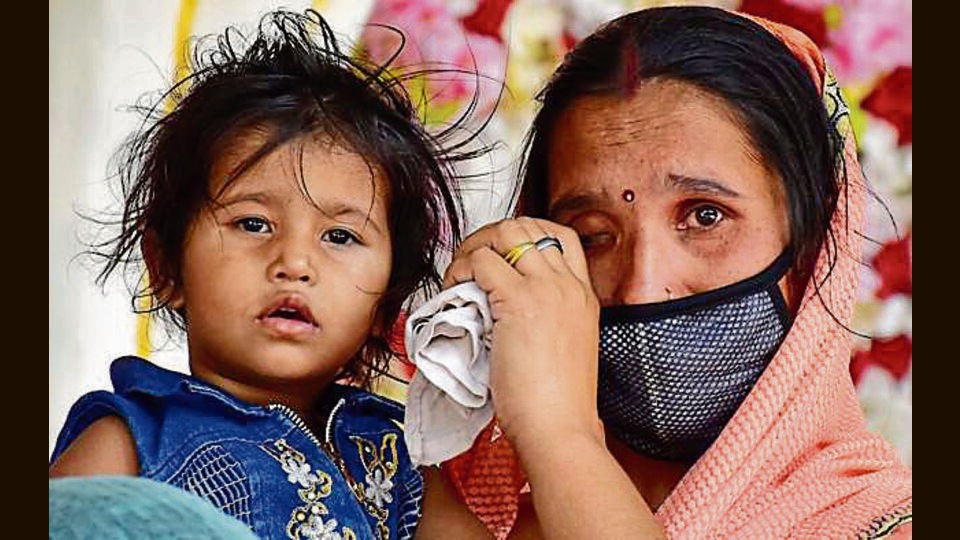
While the pandemic has deepened the vulnerability of women workers, it has also exposed other challenges. Besides lack of adequate skills and inability to migrate for better opportunities, the unpaid caregiver work burden is a crucial barrier for women. In her book, development economist Shrayana Bhattacharya writes of another one: Job creation in the past two decades has taken place in sectors where women are less willing or able to work, while job opportunities have been reduced in industries that usually employ women. Moreover, academics find that employment gains from growth have accrued mainly to men in India, with women accessing less than 19% of jobs created in the country’s 10 fastest-growing sectors.
It is essential to ensure lower-skilled women workers are equipped with skills to rejoin the workforce; and increase investments in physical infrastructure such as access to clean water and clean energy, as well as social infrastructure such as childcare services. On International Women’s Day, it’s imperative to reiterate that governments must build a better future for women; this will not only benefit a large segment of the population but also have a positive impact on their families --- and society.


