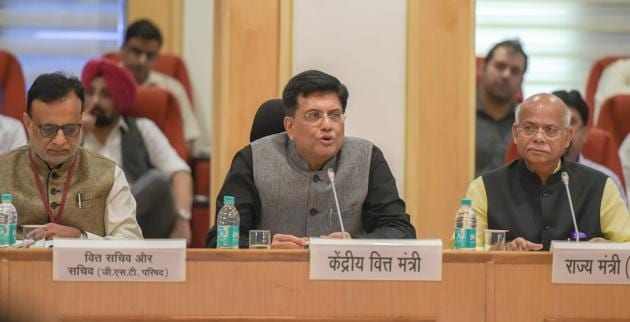
The latest round of changes made by the GST Council on Saturday should be cheered — not because it will boost consumer sentiment and increase demand for several products (that’s a welcome adventitious benefit), but because it is an indication of the direction in which the reformist tax regime is headed.
When the Goods and Services Tax was introduced last year, the biggest criticism against it was on three counts: complexity of processes; multiplicity of tax slabs; and a seeming lack of science in deciding which tax slab should apply to a product or service. There was universal recognition of the need for GST to unify the Indian market, just as there was acceptance of the fact that it made no sense to have luxury products and essentials taxed at the same rate (reinforcing the logic of multiple slabs) and a reluctant admission that liquor and fuel would not immediately come under GST — but the new tax regime was still clunky and cumbersome.
Since then, there have been several changes effected by the council. Saturday’s changes are one such. By moving more products out of the 28% slab, the council has perhaps indicated that this could well be on its way out in a few years. And by doing away with the need for small and mid-sized taxpayers to file monthly returns, it makes life simpler for these assessees.
The government has always maintained that the GST Council would do just this, depending on tax receipts. Those have been healthy and perhaps have more to do with the reduction in the tax rate on various products than electoral compulsions.
{{/usCountry}}The government has always maintained that the GST Council would do just this, depending on tax receipts. Those have been healthy and perhaps have more to do with the reduction in the tax rate on various products than electoral compulsions.
{{/usCountry}}Still, while GST has formalised (forcibly, critics say) vast sections of the economy, and increased the tax base, there are significant procedural issues that need to be addressed. It is important that the GST Council continue down this road. The cause of both compliance and receipts can be served by lower rates and easier procedures. The issues related to invoice matching and the reverse charge mechanism remain unresolved, for instance and will need to be addressed at some stage.
The GST Council is one of the successes of what the government likes to call cooperative federalism, where the Centre and the states work together. With election season kicking in, politics may well take precedence over sound economic logic. That is something the council should guard against. Finance minister Piyush Goyal once referred to GST as an evolving tax regime. It has to keep evolving.