
 E-Paper



Hate speech is a serious problem
Incentives for hate speech exceed the costs. A law, as the Supreme Court suggested, can act as a deterrent

 Prefer HTon Google


Indian politics has a hate speech problem. It is a problem that cuts across parties, but it is especially concerning when leaders (often ministers) of parties governing states, or the party governing the Centre indulge in it — because their comments then seem to have official sanction. It is a problem heightened by the response of the leaders of the parties to which the offenders belong — which ranges from nothing, most of the time, to a generic rap on the knuckles in a few rare instances. No one has really paid for hate speech with their political careers. And it is a problem nourished by the returns on offer to the perpetrators — votes, when an election is involved; promotions to senior party posts, even ministerships; and, in the current media landscape, publicity. As the ultimate showman, PT Barnum, once said: “There’s no such thing as bad publicity.”
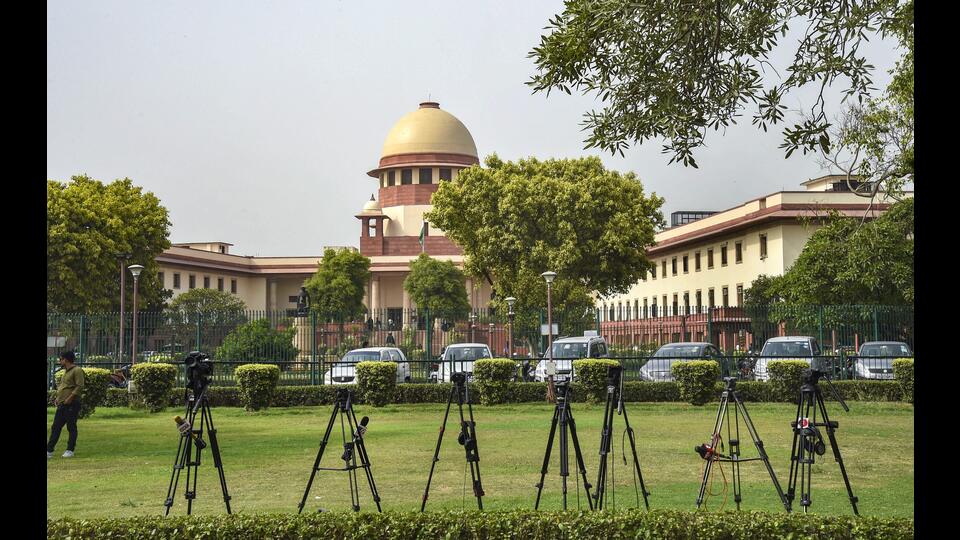
Given this, it is not surprising that on Tuesday, when the Supreme Court (SC) was hearing the issue — technically, it was about offensive comments made by Members of Parliament and Legislative Assemblies and Councils, but this was more about hate speech than an unkind barb aimed at a rival (which is usually fair in politics) — the Union’s law officers were keen that it not. The SC spoke of a “constitutional culture” and self-imposed restrictions, but neither is likely to work. In the current political environment, the incentives for hate speech far exceed the costs. The government’s law officers spoke of existing mechanisms to address the issue, but these have been found deficient — time after time. The Election Commission, for instance, has shown itself either unwilling or incapable of responding to instances of hate speech ahead of elections. And in the rare instance when it does act, the punishment is not proportionate to the crime.
The court also discussed a law that could be passed by Parliament. A law with stringent punishment (disqualification, for starters), and clear definitions — and it could even be an amendment to an existing law, not a new one — will help. Sure, it may not be completely effective — the first mile of such laws involves the police, and their record in cases of hate speech, especially those involving ruling parties, isn’t exactly stellar — but its very presence may act as a deterrent and discourage at least some people from making offensive comments. A start needs to be made somewhere.


