
 E-Paper



In Nagaland, a crack in the glass ceiling
Political parties, with some exceptions, are largely male run, don’t see the average woman candidate as “winnable” and neglect to nominate women from marginalised groups. But if elected, S Phangnon Konyak’s victory can be a start

 Prefer HTon Google


Nagaland appears set for a date with history on March 31, when the victor of its lone Rajya Sabha seat will be announced. S Phangnon Konyak, a leader of the Bharatiya Janata Party (BJP), is the frontrunner after the state’s ruling coalition named her as its nominee. If elected, she will become the first woman from the state to walk into the Upper House, and the first Naga woman to step inside Parliament since 1977.
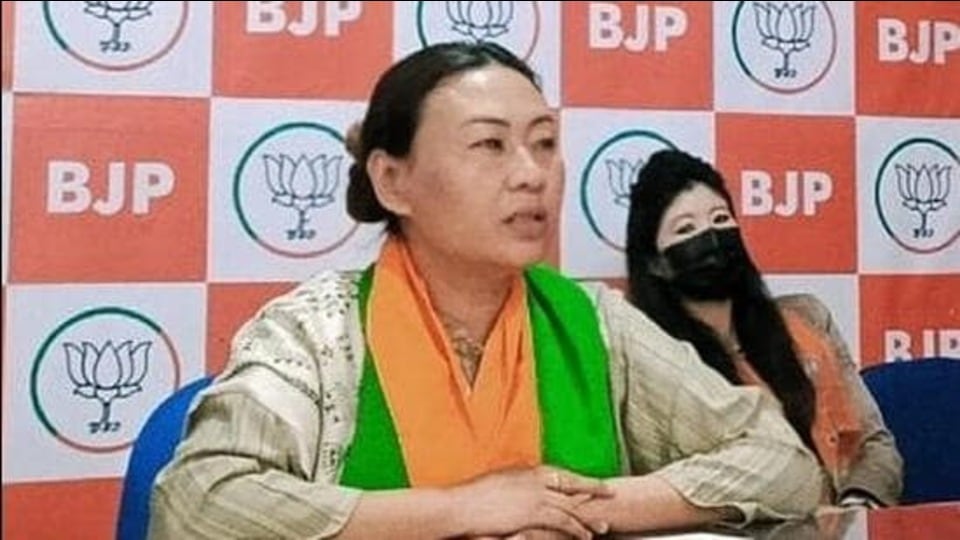
The northeastern state has never elected a woman to the state assembly, a curious phenomenon given women’s ubiquitous role in the state’s economy and social life – they run restaurants and markets, form the bulk of the agricultural labour and a significant chunk of the urban economy. Yet, their role in decision making remains stymied by customary laws that hinder their land, inheritance and political rights.
The negligible share of women in positions of power is a pan-India problem, and one that affects women from marginalised communities and castes the most. More women in political positions is not only good for the health and longevity of India’s democracy, research suggests it can lead to improved policy outcomes and boost the participation of women in grassroots processes. Already, change is visible in panchayati raj institutions, where a law now mandates a third of seats in local bodies be set aside for women.
Yet, hurdles remain. Political parties, with some exceptions, are largely male run, don’t see the average woman candidate as “winnable” and neglect to nominate women from marginalised groups. Customary and traditional laws hold them back, as do patriarchal attitudes that see power as a male preserve. But if elected, Konyak’s victory can be a start. After all, how many women does it take to shatter a glass ceiling?


