
 E-Paper



Law in service of climate battles
The Supreme Court’s expansive interpretation of constitutional rights in light of the climate crisis has the making of a new jurisprudence

 Prefer HTon Google


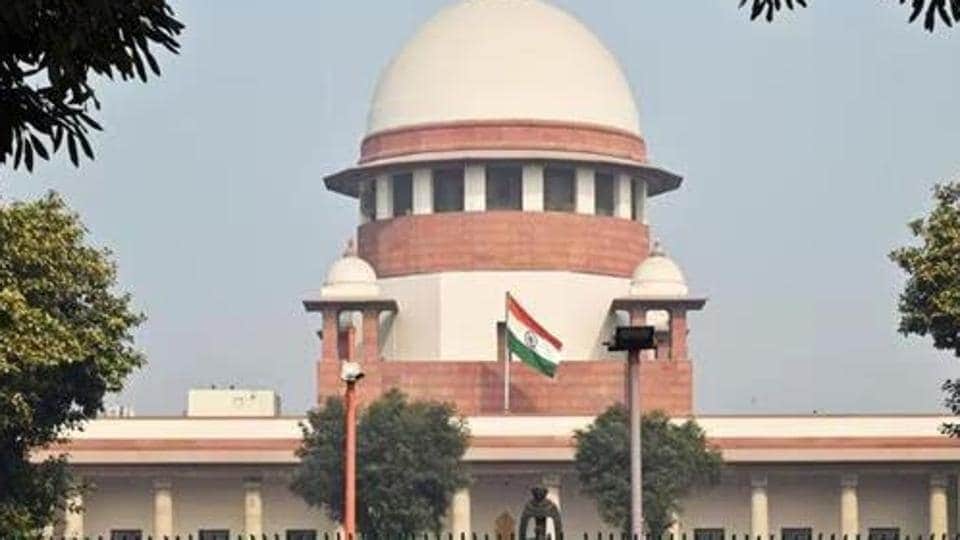
The Supreme Court, in a recent judgment, expanded the scope of Articles 14 (right to equality) and 21 (life) to include the “right against adverse effects of climate change”, underscoring for the first time the urgency needed to formulate policies that address the impending crisis. The judgment noted the lack of legislation on climate and environment, suggesting a framework that looks at allied issues from a constitutional rights framework. This lack of legislation “does not mean people of India do not have the right against adverse effects of climate change”, the Court said. It also puts the onus of ensuring a healthy environment on the State, highlighting the intersection between the climate crisis and human rights.
Indian courts, including the National Green Tribunal (India was, in fact, only the third country to set up a statutory body for the environment at the time NGT was institutionalised), have time and again intervened in environmental matters. But most of these verdicts have happened in singular cases. The March 21 judgment takes a holistic view of the environment, with an added focus on the natural world, and links it with the climate crisis. It recognises the need for a transition to renewable energy sources, and the pivotal role solar power plays in this. This transition is not only a strategic goal for the country that is trying to emerge as a world leader on climate but also a fundamental necessity now as its people face innumerable threats from issues such as pollution, vector-borne diseases, rising temperatures and extreme weather events. The judgment also stands out in highlighting the inequality faced by women and indigenous tribes in the disproportionate impact of the climate crisis on them.
While remarkable for India, the judgment resonates with the global trend, evident in some recent landmark verdicts from western courts. In a first-of-its-kind trial, a judge in Montana last year ruled in favour of young environmentalists accusing State agencies of violating their constitutional right to a clean and healthful environment by allowing fossil fuel development. The emerging jurisprudence highlights two things: First, the need to address the climate crisis and its aftereffects in the ambit of human rights, and second, the necessity to see the crisis through a wider lens that encompasses not just rising temperatures but also the impact on the natural world. This recognition, even if a small step, is a step that opens doors for citizens to hold their governments to account as the battle to save humanity gets fiercer.


