It’s been 50 years since an artificial intelligence (AI) benignly named HAL (short for HAL-9000, a Heuristically programmed ALgorithmic computer of the “9000 series”) defied a direct order from a human being aboard a spaceship headed to Jupiter on a secret mission in Stanley Kubrick’s classic 2001: A Space Odyssey. Seventeen years after that landmark year 2001, in which so much of our world changed, AI has not yet progressed beyond laughing at humans once in a while. Perhaps it is just as well, given how things always seem to end with super-intelligent computers in science fiction.
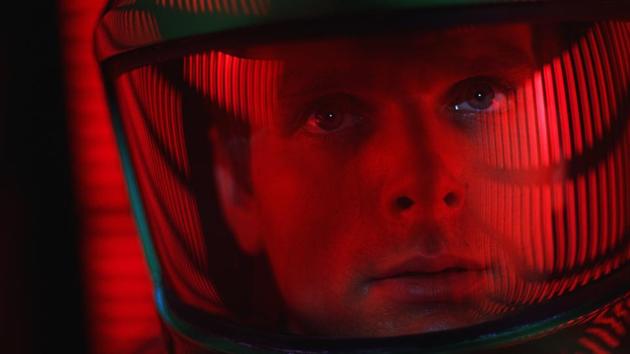
For a movie that was envisioned and made before humans set foot on the moon and before integrated circuits were invented, Arthur C Clarke (the author of the book on which the film is based) and Kubrick managed to get much of the science right. The film may have failed to predict how ubiquitous computers would become, and definitely did not see the advent of hand-held devices to make calls with a video component; but it saw the flat screen computers, the voice-activated systems, and even the videophones — all inventions that came to be, even if in a different form. On the 50th anniversary of the film, it is perhaps also an appropriate time to point out how much that ubiquitous mobile phone resembles the mysterious monolith.
The film is made in a unique way: with long stretches of silence and slow, reflective, music-imbued build-ups. It has broken as many stereotypes as it has created. Embracing the form of the visual medium of cinema, the film famously has only about 20 minutes of dialogue in a runtime of well over two-and-a-half hours. It released in the United States on April 2, 1968, to a polarised response from critics — some showered the film with praise while others called it “a monumentally unimaginative movie”. Kubrick even trimmed 19 minutes of the 161-minute-long film after the opening weekend. But in the half century since it released, it has aged well enough to find a spot on almost every ‘best ever’ list and gain a cult following.
{{/usCountry}}The film is made in a unique way: with long stretches of silence and slow, reflective, music-imbued build-ups. It has broken as many stereotypes as it has created. Embracing the form of the visual medium of cinema, the film famously has only about 20 minutes of dialogue in a runtime of well over two-and-a-half hours. It released in the United States on April 2, 1968, to a polarised response from critics — some showered the film with praise while others called it “a monumentally unimaginative movie”. Kubrick even trimmed 19 minutes of the 161-minute-long film after the opening weekend. But in the half century since it released, it has aged well enough to find a spot on almost every ‘best ever’ list and gain a cult following.
{{/usCountry}}Its legacy, though, is more than just in the realm of science fiction. A cinematic masterpiece, the scope of the film is as vast as it is specific — the evolution and destiny of man. From that famous opening sequence of the Dawn of Man to the enchanting Stargate sequence; from the confident equanimity of HAL’s voice to the mystery of the monolith, perhaps the reason the film has withstood the test of time is that it explores as many themes of visual art, human endeavour, and philosophy as it does of science.