
 E-Paper



Mandate for an inclusive nation
The sweep and scale of NPP’s victory in Sri Lanka polls suggests the possibility of a breakthrough in ethnic relations

 Prefer HTon Google


The parliamentary election results in Sri Lanka have reinforced the shift in political ground that saw Anura Kumara Dissanayake, chief of the Left wing Janata Vimukthi Perumana (JVP), elected as president in September. Last week, the 20-party National People’s Power (NPP) coalition led by the JVP won a remarkable 159 seats in the 225-member parliament, indicating that the political mood has turned decisively against the legacy political groups that have dominated Sri Lankan politics all these years. The numbers are revealing: the NPP won 61.56% votes as compared to 3.84% votes in the 2020 elections whereas the Sri Lanka Podujana Perumana of the Rajapaksas, which won 142 seats with a 59.09% vote, managed a mere three seats and 3.14% votes. Outgoing president Ranil Wickremasinghe’s New Democratic Front managed just five seats and 4.49% votes.
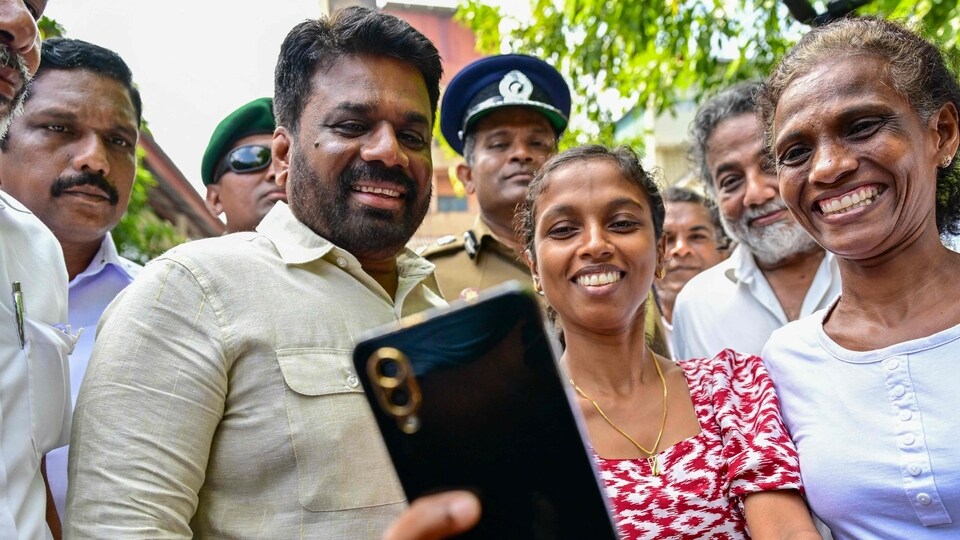
The overarching win of the NPP suggests a rupture in Sri Lankan politics. It shifts the narrative from identity-centric agendas that have shaped electoral outcomes to class politics driven by economic concerns. This is reflected in the NPP’s extraordinary performance in Jaffna, where it trumped the Tamil outfits that have traditionally dominated electoral politics in the region. Remember, Dissanayake’s JVP, which twice waged armed struggles to capture power in Colombo, had rejected the Indo-Sri Lanka accord as well as supported Colombo’s military actions in the Tamil areas. This is the first time that the Tamils have voted overwhelmingly for a south Sri Lanka-based, Sinhala-dominated outfit. That NPP constituents participated in the 2022 Aragalaya protests that threw out the Rajapaksas and promised a new political culture, helped in their outreach to the Tamils.
The sweeping mandate offers an opportunity for Dissanayake to build a post-war Sri Lanka. The three-decade ethnic war ended in 2009, but the wounds are yet to heal. Ahead of the elections, Dissanayake promised to end the army occupation of Tamil lands and made other reconciliatory gestures. Economic mismanagement by the Rajapaksa clan was the immediate trigger for the 2022 catastrophe of shortages, but its roots lie in the unresolved minority rights question that led to the rise of Tamil militancy and the militarisation of Sri Lankan society since the 1980s. The new government could reset the State’s priorities.
India-Sri Lanka relations have been firewalled from the political upheavals in Colombo since 2009. Even so, the clear mandate should enable Dissanayake and his Delhi-educated prime minister, Harini Amarasuriya, to enhance ties and sort out thorny issues such as the frequent arrests and imprisonment of Indian fishermen. Close bilateral ties between Colombo and Delhi are central to the peace and prosperity of the Indian Ocean region in a time of global churn.


