
 E-Paper



Myanmar: A push to restore democracy
India should continue making use of its influence with Myanmar’s military leadership to make a discreet push for the restoration of democracy

 Prefer HTon Google


Even as India expressed concern at the conviction of Myanmar’s deposed leader Aung San Suu Kyi in what most observers said was a sham trial, the government stopped short of any criticism of the military junta that took over the Southeast Asian country after a coup in February. The external affairs ministry reiterated India’s support for democratic transition and called on all parties to advance the path of dialogue, without so much as referring to Myanmar’s military rulers. Most observers believe this cautious stance is tied to India’s security concerns related to militant groups in the Northeastern states, some of the most potent of which found shelter in Myanmar in past decades, and a desire not to push the junta closer to China. In recent years, India has strived to balance its ties with Myanmar’s civilian leadership and the military, even sending the foreign secretary and Army chief on a rare joint visit to the country last year.
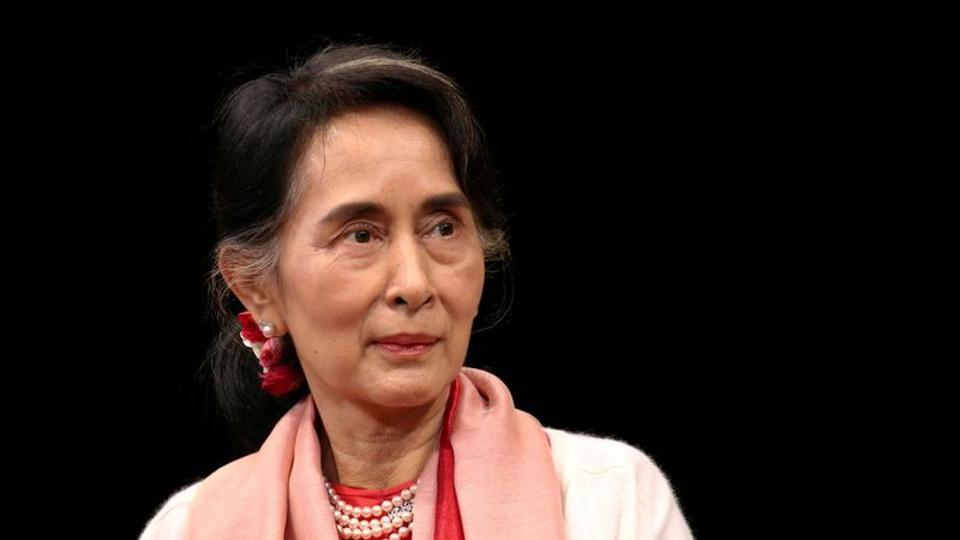
India has also aligned its strategy for Myanmar to the approach by the Association for South East Asian Nations (Asean), whose special envoy for Myanmar hasn’t been able to visit the country due to the junta’s stonewalling. Asean’s efforts to mount a response to the crisis in Myanmar have also been affected by a move by the bloc’s current chair, Cambodia, to engage with the military rulers. Ms Suu Kyi’s reputation has suffered because of her stance on the Rohingya issue, hampering a coordinated international campaign. Be that as it may, India should continue making use of its influence with Myanmar’s military leadership to make a discreet push for the restoration of democracy in the interests of regional security and stability.


