
 E-Paper



Pursuit of peace in the shadow of war
Israel and Iran should cease hostilities. Global diplomacy must work for de-escalation and the long-term objective of a Palestinian State

 Prefer HTon Google


For several days now, the situation in West Asia has teetered precariously close to spiralling out of control and the latest Israeli strikes with drones on at least two Iranian cities on Friday will only add to fears of a wider conflict engulfing the region. The drone strikes targeted Isfahan, home to some of Iran’s most important nuclear facilities, and could have been perceived by Tehran as a dangerous escalation. Iranian officials have apparently decided to play down the strikes, describing them as the work of “infiltrators” without any direct reference to Israel, and thus indicating there may not be any further retaliation. These Israeli drone strikes were retaliation for Iran’s first direct attack on Israel with hundreds of drones and missiles last week, which in turn was a response to Israel’s brazen attack on an Iranian diplomatic compound in Syria. Sure, both attacks have been calibrated, but it’s worrying that there has been no cessation of hostilities.
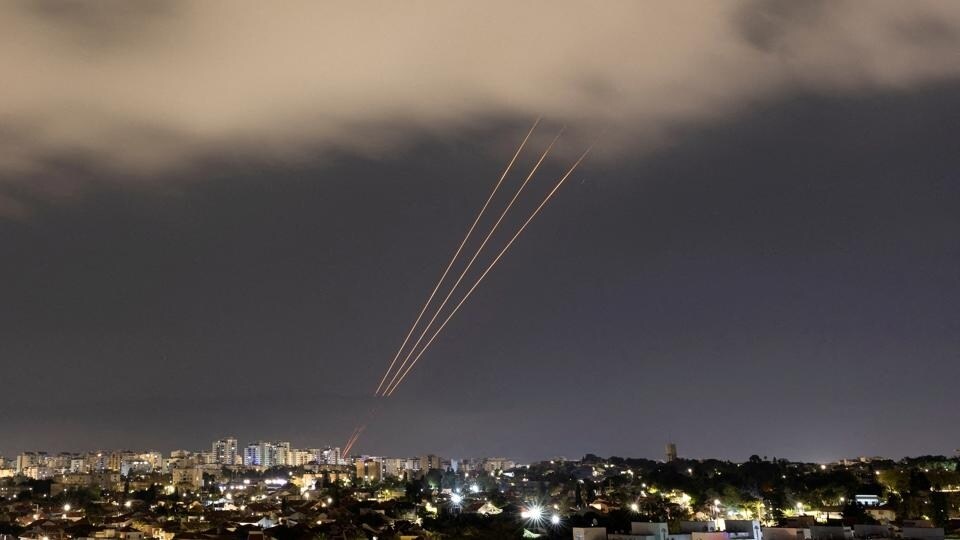
The Iran-Israel tensions and the Israel-Hamas conflict, now into its seventh month, highlight the need for concerted global diplomacy aimed at the more immediate goal of de-escalation and the long-term objective of a two-state solution to Palestine. The US and its close partners have done too little to rein in Israel as it unleashed the unprecedented bombardment of the Gaza Strip and killed nearly 34,000 people. It is also difficult to buy into the argument proffered by Israeli officials that they didn’t expect Iran to react strongly to the strike on the diplomatic facility in Syria. With public opinion turning against Israel’s actions in Gaza in the US and large parts of Europe, US President Joe Biden and his European partners need to do more to pull the region back from the brink.
Diplomacy in West Asia has never been for the faint-hearted, and even more so now, and the US and its partners need to get back to the drawing board to come up with a solution that will address both the security imperatives of Israel and the need for a state for the Palestinian people. The West will need to engage with Tehran to ensure the success of efforts to find a lasting solution. Iran, for its part, will have to take a relook at its dangerous policy of arming and supporting a range of proxy forces in Lebanon, the Gaza Strip, Syria and Yemen as part of Tehran’s efforts to extend its influence in West Asia since this has only exacerbated tensions across the region.
For a country that describes West Asia as part of its extended neighbourhood and has tremendous stakes across the region, India has appeared more as an onlooker amid the latest round of tensions. External affairs minister S Jaishankar recently spoke to his Iranian and Israeli counterparts to convey New Delhi’s concerns and to emphasise the need to dial down the tensions. But West Asia watchers have for long believed India can play a much larger role in addressing the long-standing problems of the region because of its close relations with Israel and Arab states. India needs to leverage these relations to help bring the key actors to the table instead of merely insisting that dialogue and diplomacy are the only way forward. The costs of a wider conflagration in West Asia will be very high for India, which has nine million expatriates spread across the region. Besides the remittances from these Indian nationals, West Asia remains a key trading region and the primary source of energy.


