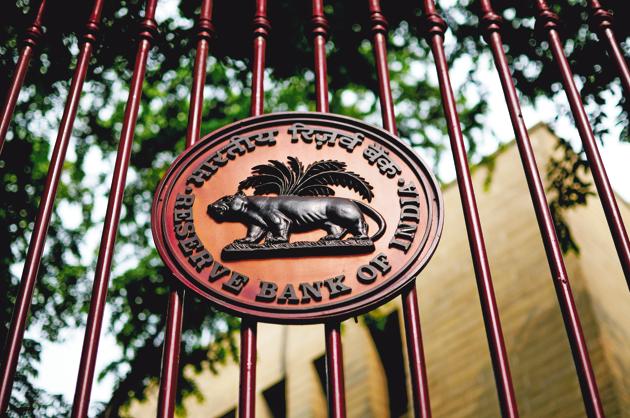
It is a truth universally acknowledged that a finance ministry in possession of a slowing economy must be in want of an interest rate cut. With the Indian economy showing slowing growth and investment, the finance ministry was unsurprisingly disappointed when the Reserve Bank of India decided last week to keep interest rates where they are. The chief economic adviser, Arvind Subramanian, argued that with consumer price having risen less than 3% in March there was a “plausible alternative macroeconomic assessment” in which a repo rate cut made sense. Since then, New Delhi has rowed back the boat and said such decisions were the sole competence of the RBI – and rightly so.
There are two points to be made here.
One is that there are as many macroeconomic assessments when it comes to forecasting India’s inflation and growth trajectories as there are economists. The RBI has made a perfectly sound argument for keeping interest rates where they are. The bank has just begun to achieve its ambitious 4% target. The primary reason for the recent price fall has been a sudden collapse in pulse prices and surprisingly soft global oil prices. Neither is a certainty even in the next quarter. If anything, the RBI’s monetary policy announcement was generous in arguing the new Goods and Service Tax would not boost prices in the coming months – but global experience would point to the contrary. More importantly, with a banking system choking on excess deposits and bad loans it is not clear how releasing more liquidity to them will help the overall economy. As deputy RBI governor Viral Acharya noted, “In the absence of efficient transmission, changes in interest rate policy go waste.” The banks, in this case, are the transmission system.
Two is the larger issue of central bank autonomy. Governments and businesses inevitably think both short-term and in terms of lower interest rates. Central banks were created to invest in the long-term stability of economies and save it from short-term political interests. The inflation that ravaged the second Manmohan Singh government and the bad loan legacy it left in its wake can partly be blamed on the failure of the then RBI governor to stand up to the finance ministry. With a new monetary policy committee in place, it is more than ever important that the RBI establish its credibility as an independent policy-maker.
{{/usCountry}}Two is the larger issue of central bank autonomy. Governments and businesses inevitably think both short-term and in terms of lower interest rates. Central banks were created to invest in the long-term stability of economies and save it from short-term political interests. The inflation that ravaged the second Manmohan Singh government and the bad loan legacy it left in its wake can partly be blamed on the failure of the then RBI governor to stand up to the finance ministry. With a new monetary policy committee in place, it is more than ever important that the RBI establish its credibility as an independent policy-maker.
{{/usCountry}}