
 E-Paper



Find ways to address lopsided development
While it is less talked about, regional inequality is as widespread as interpersonal inequality in India

 Prefer HTon Google


Areport in this newspaper said that six states account for nearly 60% of the country’s Goods and Services Tax (GST) collections. Stark as the numbers are, they should not surprise anybody. While it is less talked about, regional inequality is as widespread as interpersonal inequality in India. A simple comparison of Gross State Domestic Product numbers shows this — the top five states account for almost 50% of the national Gross Domestic Product.
What does this mean as far as the larger political economy construct of India’s federal arrangement is concerned? Our founding fathers had the vision to pre-empt a part of this problem, and the finance commission’s formula for distributing central taxes among states incorporates a positive skew in favour of poorer states. While this arrangement has been crucial in holding the Union together, it is being tested as demands for fiscal resources are rapidly increasing. For India’s fiscal arrangement to sustain, it is critical that economic growth and purchasing power increase in low-income states. This will require a massive rise in capital spending in these regions. The State can act as a facilitator by plugging holes in areas like infrastructure, but it will have to be the private sector that needs to take the lead.
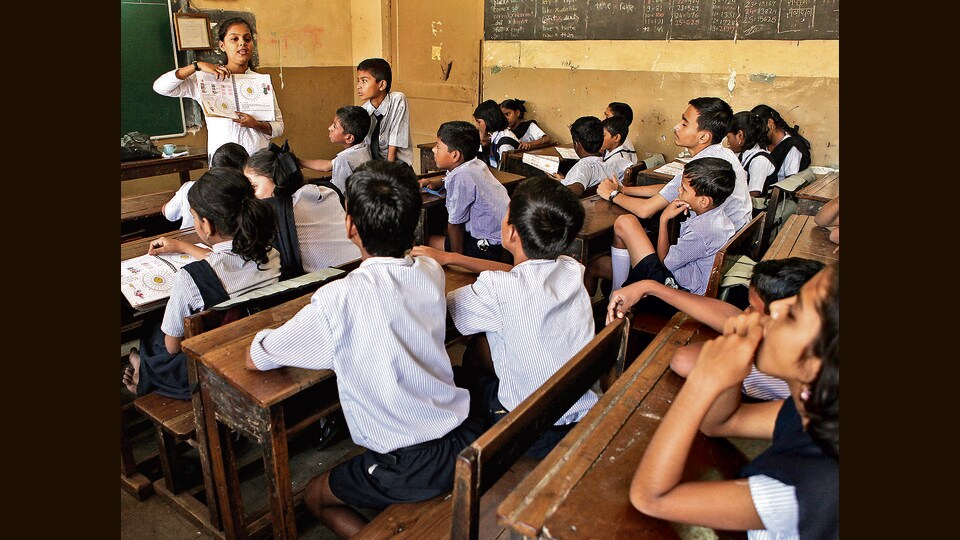
However, what is often missed in these discussions is the worrying state of the human resource pool that will not improve unless affordability and quality of education are improved on a war footing. From ASER surveys to the state of vocational training, worrying signs abound here. This needs urgent attention. When it comes to fighting inequality, there are no shortcuts.


