
 E-Paper



Airlines Push Back Against ICE Enforcement at Airports
Federal agents are using flight manifests to arrest travelers with lapsed visas, drawing objections over safety and protocol.


 Prefer HTon Google


Airlines are pushing back against federal authorities intensifying immigration enforcement at U.S. airports.
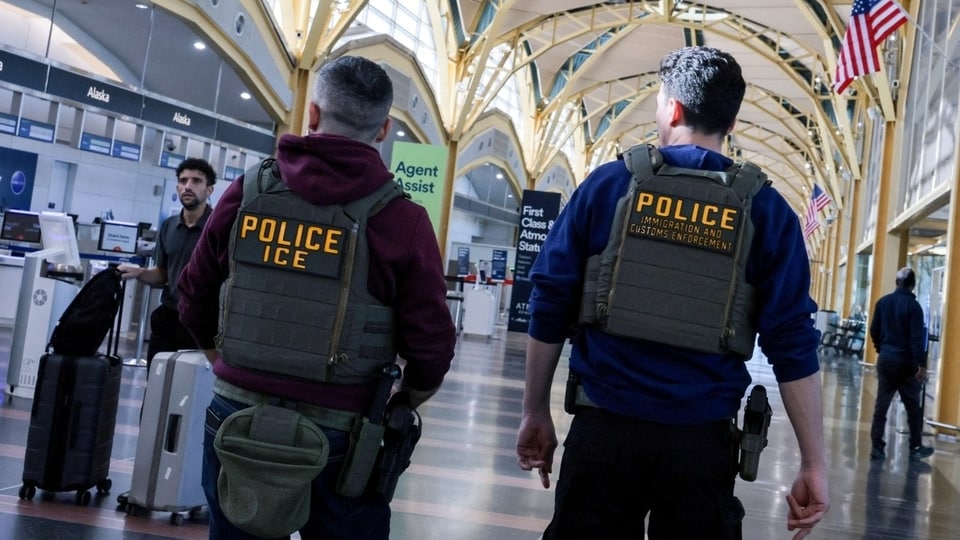
In one case on July 25, an Immigration and Customs Enforcement officer tried to board a Southwest Airlines flight in Dallas to make an arrest, only to be rebuffed by the airline, according to documents reviewed by The Wall Street Journal.
The incident is among at least a half-dozen similar encounters involving Southwest in the past few weeks, a person familiar with the matter said.
Officers at ICE had made occasional arrests at airports over the past year, but the agency has since stepped up enforcement. Top ICE leaders have told officers that they should attempt arrests at Transportation Security Administration checkpoints when possible, but believe the directive hasn’t been followed consistently at airports, according to people familiar with the matter.
In recent weeks, officers have broadened their approach to make more arrests near gates and ticket counters at airports from San Francisco to Miami and Kansas City, Mo.
ICE made about one to three dozen arrests a day at U.S. airports last month, according to a government official familiar with the data.
Many people being taken into custody haven’t traditionally been targeted by ICE.
While earlier cases primarily involved ICE pursuing immigrants with final deportation orders, the arrests now involve people with expired visas but another form of legal status pending, such as a green card or asylum application. Visa holders with applications pending typically have been allowed to continue working in the U.S. and have protections from being deported. ICE has argued that the expired visas are grounds for arrest.
The shift in tactics comes as ICE leaders face growing pressure from the White House to increase the number of daily arrests they perform, to meet a quota of about 2,000 a day. It also puts more immigration-enforcement actions in the public view, upsetting passengers and prompting some to record the encounters. The spectacles have also thrust airlines, their employees and customers into uncomfortable—and potentially dangerous—confrontations in airports.
“I’m worried about escalation—I’m worried about bystanders,” said Phil Washington, who until recently served as chief executive of Denver International Airport.
Late last month in Denver, ICE officers arrested a woman on a jet bridge for a Southwest flight, an incident that was recorded on video and drew media attention. In Las Vegas, ICE officers last week arrested a woman waiting to board her JetBlue flight, telling her she had overstayed her visa and had a final order of removal, according to video obtained by 8 News Now in Las Vegas.
At an airport in the South in July, ICE requested a different airline’s help to gain access to a jet bridge to arrest a father planning to travel with his wife and children, according to a person familiar with the discussions. But the airline declined to assist. The family wound up not showing up for the flight.
Southwest said in a statement that it is committed to providing a safe travel experience, and follows state and federal law when dealing with law-enforcement agencies. The airline added that it has policies “to ensure appropriate legal documentation is presented by law enforcement personnel before any information about customers is shared.”
JetBlue said in a statement that it doesn’t collect information regarding customers’ immigration status. “The airline has no program or partnership in place to identify or report customers based on immigration status to government agencies.”
Airline-industry officials told the Journal that they want clarity on immigration-enforcement work in airports, whether ICE officers can make arrests with administrative warrants and whether they will avoid boarding planes to make arrests. Some officials said carriers would prefer federal officers make arrests at TSA checkpoints.
In late July, airline-industry representatives met with staffers from the Department of Homeland Security to discuss their concerns, according to government and industry officials.
“Airlines have had constructive discussions with ICE and TSA to ensure if law-enforcement activity occurs at an airport, there are proper procedures and protocols in place to prioritize the safety and security of all involved,” said a spokeswoman for Airlines for America, a trade group representing major U.S. carriers.
Both ICE and TSA are part of the Homeland Security department. The agencies have been working together on immigration enforcement, with the TSA handing over passenger manifests so ICE can scour them for potential targets, according to people familiar with the matter. The cooperation, which started last summer, has led to hundreds of arrests so far, the people said.
Homeland Security spokeswoman Lauren Bis said the department is “simply enforcing our nation’s laws and established policy.”
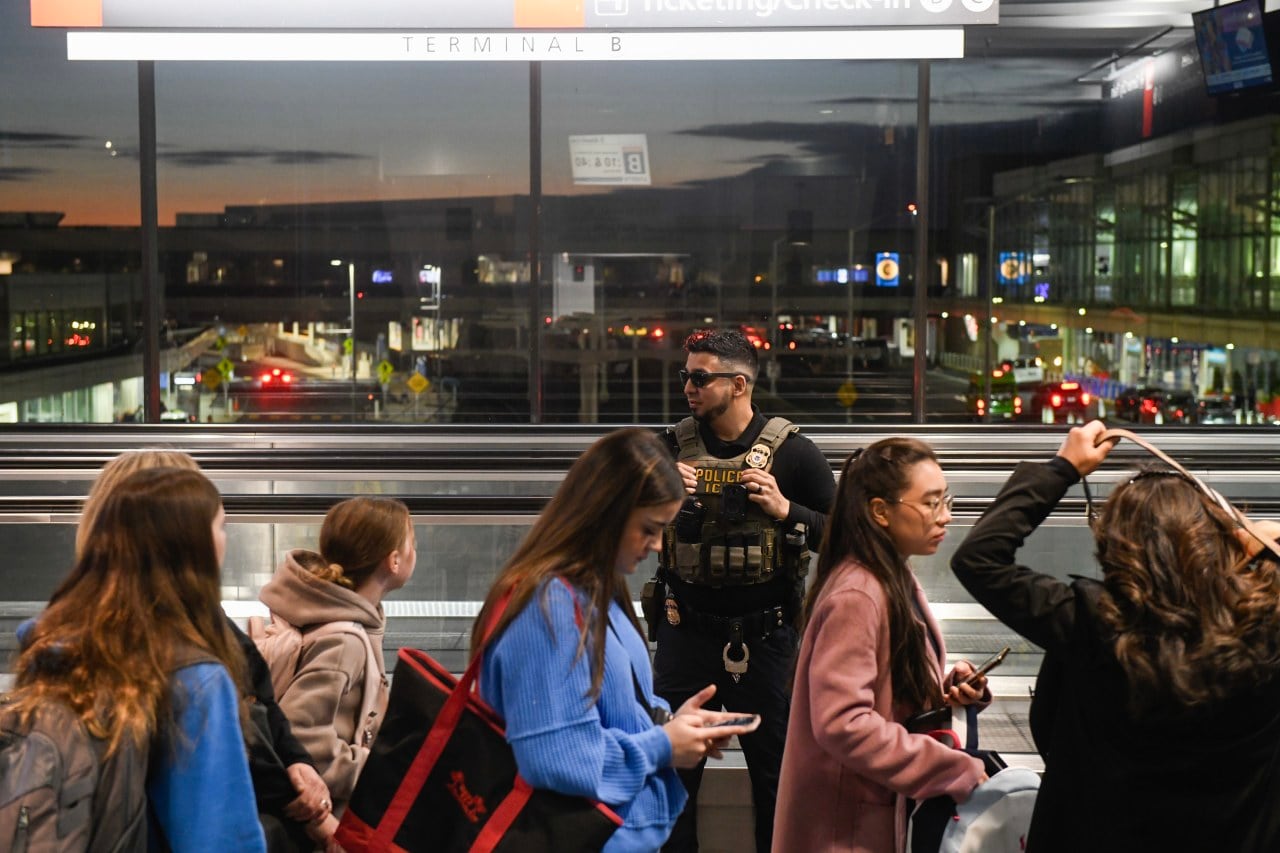
In the July 25 incident in Dallas, a tense scene unfolded after an ICE agent called out “David” in an attempt to locate the person near the gate where an Orlando, Fla.-bound Southwest flight was boarding, according to the documents reviewed by the Journal.
ICE agents sought to board the plane with an administrative warrant, but an airline gate agent declined to let them board without a judicial warrant signed by a judge, according to the documents. Administrative warrants are signed by ICE supervisors, not independent federal judges, and enable officers to make arrests.
Airline employees cited policies about disclosing passenger information when they declined to share it with ICE, and wouldn’t let law enforcement view a computer screen as passengers boarded, the documents showed.
At one point, according to the documents, an ICE agent asked a Southwest employee for their name for an investigation, but the airline employee declined.
The Association of Flight Attendants, which represents flight attendants at several major airlines, wrote to carriers in March expressing alarm at the ICE presence and immigration-enforcement activity at airports.
“The actions that federal enforcement authorities have taken in our workplaces have raised glaring workplace, safety and legal concerns for flight attendants,” Sara Nelson, international president of the union, wrote in the letter, which was viewed by the Journal.
She cited reports of ICE agents gaining access to jet bridges without authorization, including one instance in which an agent in Minneapolis boarded a flight “in order to interrogate and threaten removal of a person who criticized their presence in the airport.”
The Homeland Security department spokeswoman didn’t comment about the letter.
Write to Andrew Tangel at andrew.tangel@wsj.com, Michelle Hackman at michelle.hackman@wsj.com and Alison Sider at alison.sider@wsj.com


