
 E-Paper



Respond to the Nagaland killing
Organise a visit by PM Narendra Modi; rethink the controversial Armed Forces Special Powers Act; save the peace process

 Prefer HTon Google


The killing of 14 civilians in Nagaland’s Mon district — six workers were killed by security forces that mistook them for insurgents based on an intelligence input, and another eight were killed in subsequent disturbances — is a blot on the Indian State’s record. The fact that it happened in a state with a history of opposition to the Centre, and where the degree of alienation from New Delhi remains high, has added a strong political layer to the killings. However, instead of a strategy of denial and obfuscation, both the government and the armed forces have recognised their mistake, expressed regret (including in Parliament), and set up an investigative team and a court of enquiry. This investigation must be fair, hold all those responsible accountable, be concluded rapidly, and provide justice for a humane process of healing.
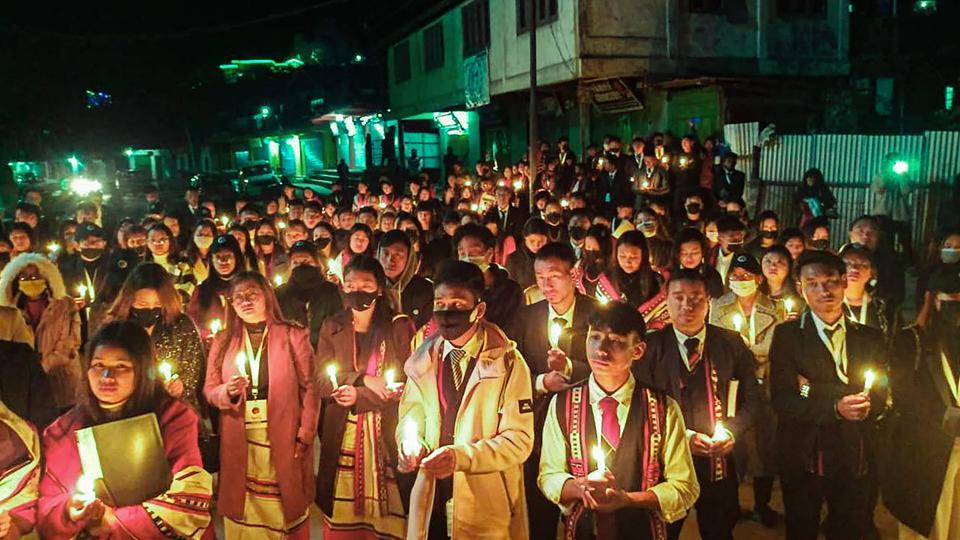
The immediate priority is, of course, to ensure that the tragedy in Mon does not escalate into any further violence and instability in Nagaland. But beyond that, the Centre — which has been committed to political outreach with all groups in Nagaland — must use this moment to rethink its approach. For one, the crisis calls not just for a business-as-usual bureaucratic approach, but a political touch. Prime Minister Narendra Modi may want to consider a visit soon to Nagaland, with a message of regret about what happened and reassurance that it won’t happen again — this will strengthen Delhi’s political credibility and show genuine remorse.
Two, the incident has once again brought the controversial Armed Forces Special Powers Act (AFSPA), which lends excessive liberty without commensurate accountability to the armed forces, back in focus. The government has revoked AFSPA in states where insurgency has dipped, but the continuation of AFSPA in Nagaland breeds political anger — without necessarily adding to the genuine operational requirements of the security forces. The government must begin a serious process of relooking at the law and its application in the region; curtailing it will go a long way in showing that Delhi believes in a genuine political accommodation of Naga aspirations. And finally, the incident threatens to jolt the fragile peace process with Naga groups — public anger may force even those groups and ethnic communities who have been working with Delhi to step back. This requires, once again, high-level political intervention, for the tenuous peace in the state has allowed for the State’s writ to expand and reach out to citizens.


