
 E-Paper



Security, with safeguards
Prahaar does well to guide India’s counter-terror strategy in a fast-changing world. But effective prosecution and civil liberties remain just as important

 Prefer HTon Google


There are few things that have transformed as much in the 21st century as terrorism. Contemporary terror networks often operate as decentralised, digitally connected ecosystems. Encrypted messaging allows operatives to coordinate across borders. Recruitment and indoctrination occur online through videos, reels and gaming. Social media enables propaganda to spread at scale and at speed. Cryptocurrencies and informal digital channels facilitate funding flows that are harder to trace. Drones and commercially available technologies lower the cost and complexity of carrying out attacks. It’s cheaper than ever to deploy malware and paralyse countries.
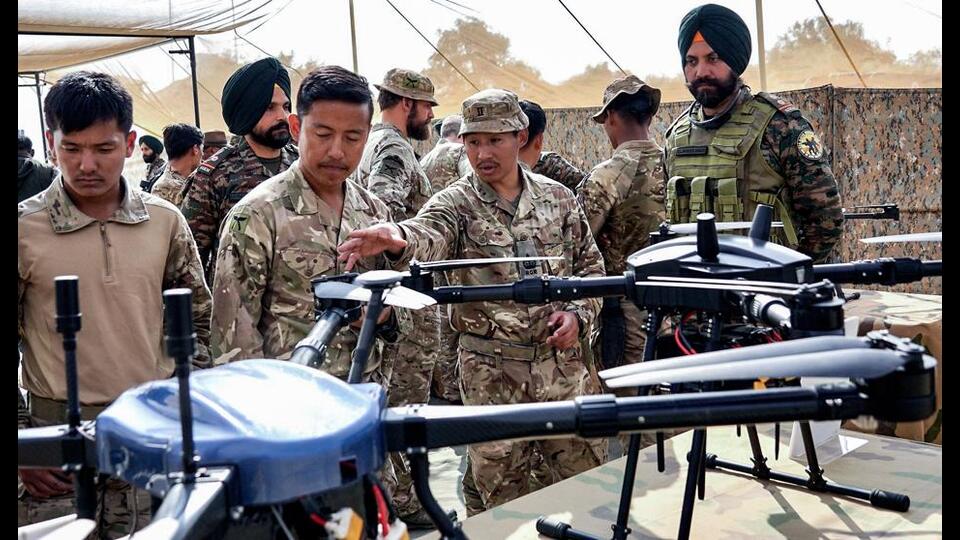
Against this backdrop, India’s first national counterterrorism policy and strategy aims to pull the country’s counter-terror strategy into the 21st century and manage threats both traditional and digital. The document, titled Prahaar, aims to deal with all terrorist acts and denying access to funds, weapons and safe haven to terrorists, their financiers and supporters. The seven-stage framework involves “intelligence guided” prevention of strikes, swift joint response by states and central forces, use of the latest technology, thwarting radicalisation and recruitment, coordinating with international partners, involving society, and following human rights and rules-based processes.
The guideline document — in line with the strategy adopted by most major countries — hopes to consolidate what has often been a piecemeal and fragmented approach in fighting terror. It signals an attempt to bring coherence, coordination and long-term strategic thinking to a threat that has repeatedly tested India’s resilience. It correctly underlines the use of latest technologies, modern-day weapons of war, and foreign soil by organised criminal networks for logistics and recruitment. It does not link terrorism to any specific religion, ethnicity, nationality or civilisation, identifies “sponsored terrorism from across the border”, “jihadi terror outfits”, and global terror groups.
The forward-looking strategy will hold India in good stead as it mounts a coordinated response to terror. But equal focus must be paid to effective guidelines against overreach, especially in counter-radicalisation efforts and deeming people as terror supporters. The document has done well to designate human rights as a pillar of its counter-terror plan. But authorities must also pay attention to timely, fair and transparent investigations in terror cases that ensure that no terror perpetrator is acquitted due to botched prosecutions. A string of high-profile acquittals — such as in the Malegaon blasts or Mumbai bombing case — have underlined that there is no alternative to unglamarous, nuts-and-bolts investigation that doesn’t cut corners or profile people based on identities. India’s counter-terror vision will only be bolstered with greater attention to fair, accountable and rigorous probes.


