
 E-Paper



The balance of free speech and State interests
SC’s revival of guilty-by-association doctrine further narrows the bail window under UAPA

 Prefer HTon Google


In a crucial verdict last week, the Supreme Court revived the doctrine of guilt-by-association after over a decade, saying that even mere membership of a banned organisation will be a crime under the Unlawful Activities (Prevention) Act (UAPA), 1967.
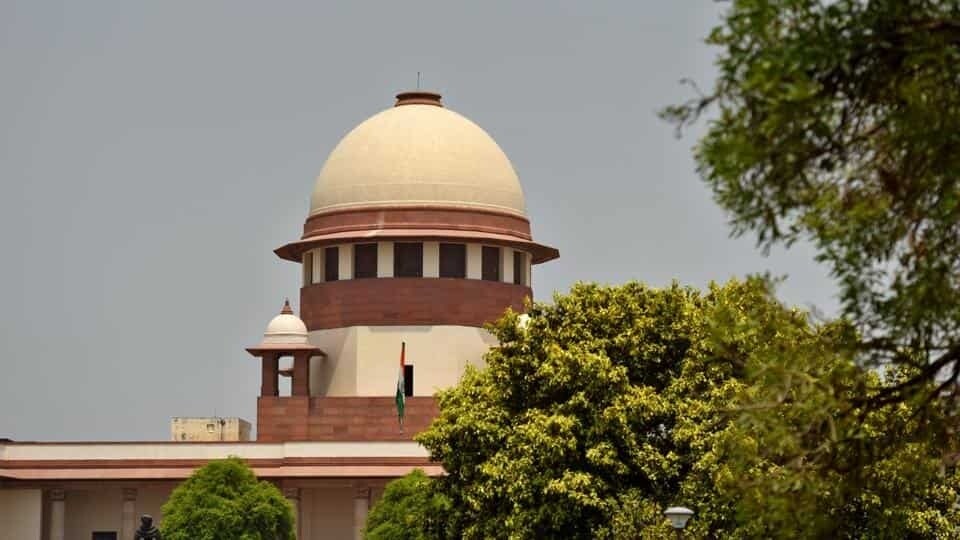
The court’s verdict is important for two reasons. One, the jurisprudence around terror cases has to strike a balance between free speech and individual rights, and the interest of the State in stopping violence. In 2011, three separate judgments leaned towards the former, saying that unless there was material on record to show intent for unlawful acts, membership of a banned organisation itself was not enough to prove criminal intent. The three-judge bench led by justice MR Shah now has reversed the top court’s position, agreeing with the government’s argument. This switch was further evident when the apex court said a batch of US verdicts — which sided with free speech concerns — that the court based its 2011 order on was not relevant. Two, the judgment strengthened the hand of the executive by appearing to place its trust in its agencies and processes. The judgment questioned the wisdom of reading down a legislation without hearing the Union of India, and noted that a particular association is declared unlawful only after the Centre is satisfied that such an outfit is indulging in illegal activity.
What does this mean for individual rights, especially at a time when the Opposition and activists have accused the State of using anti-terror laws to curtail freedoms? Much of this will depend on the definition of membership and strategies used by the prosecution to link an individual to a banned outfit. In the recent Bhima Koregaon terror trials, the defence alleged that evidence used to bring charges against activists was sparse, even manipulated. Against this backdrop, will confessions be enough to draw a link? Will a recovery of literature be deemed adequate? Or will the court and the State need to come up with a rigorous process to define and prove membership? The answer to these questions will determine the balance of liberty and State action. For now, the narrow window for bail in anti-terror cases has been further constricted.


