
 E-Paper



The making of a contest
INDIA bloc gets to business as the Congress, SP and AAP agree on seats. The alliance must also have a narrative to challenge the NDA

 Prefer HTon Google


After weeks of waffling over the sharing of seats, the Opposition INDIA bloc is finally getting its act together. Reflecting its federal character, the bloc seems to be building a united front by stitching alliances state by state, with parties deferring to local power equations, and setting aside pride, ego and long-held prejudices to challenge the BJP-led National Democratic Alliance (NDA), which is riding high on Prime Minister Narendra Modi’s charisma, the Ram Mandir in Ayodhya, and a heady narrative of religious pride, muscular nationalism and developmental populism. With the Election Commission of India (ECI) set to announce the schedule for the general elections soon, seat talks have predictably gathered momentum. It would help the Opposition, smarting under the recent loss of Janata Dal-United and Rashtriya Lok Dal, and the exits of numerous legislators and leaders from the Congress, improve the optics at least.
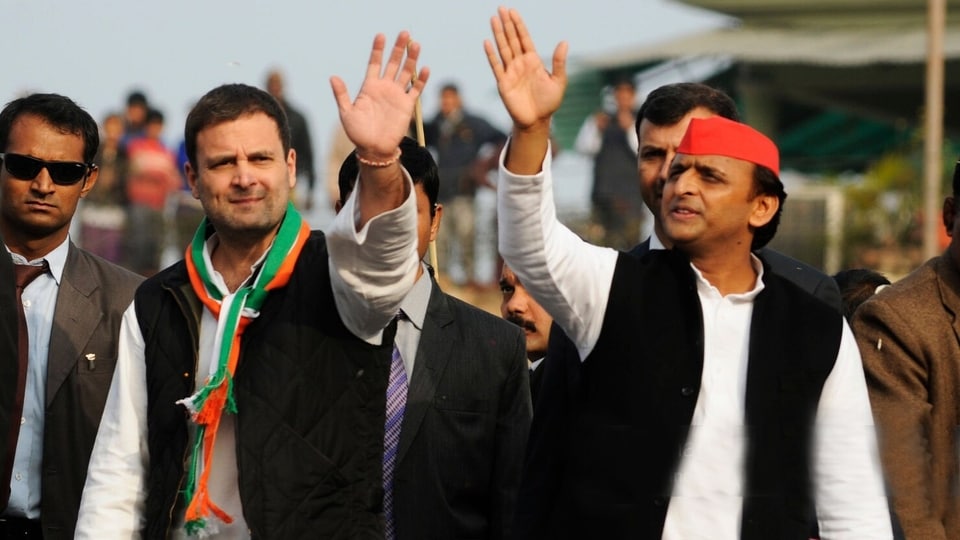
On Wednesday, the Samajwadi Party (SP) and the Congress settled on a pre-poll alliance for Uttar Pradesh (UP) and Madhya Pradesh (MP). After blowing hot and cold over the number and nature of constituencies, agreed on a 63:17 seat formula for UP in favour of the SP; in MP, the Congress has left a lone seat for SP. Meanwhile, the Aam Aadmi Party(AAP) and the Congress have reportedly settled on a 4-3 seat-sharing agreement in Delhi while the latter has conceded two seats in Gujarat and one in Haryana to the AAP. There are reports that the Trinamool Congress and the Congress have revived seat negotiations. Talks are close to a conclusion within the Maha Vikas Aghadi (Shiv Sena-UBT, NCP-Sharadchandra Pawar, and the Congress) in Maharashtra while the INDIA bloc has a settled look in Tamil Nadu, Bihar and Kerala. The seat agreements reveal that the Congress has finally accepted that it is no longer the political hegemon it once was, and has had to concede seats and even leadership roles, to the dominant party of the state. A touch of realism seems to be shaping its political outreach while potential allies, recognising its decline as a pan-Indian umbrella outfit, are driving a hard bargain. A big beneficiary of this emerging scenario is the AAP, which was born out of a mass movement that targeted political corruption, primarily of the Congress, over a decade ago. Today, the AAP has two state governments to show and it is seeking a national footprint after undergoing a process of normalisation that saw the once crusading post-ideological formation transform itself into a tactically shrewd party focussed on furthering its national prospects even while mired in corruption charges.
However, arithmetic is not enough to win elections, and chemistry among allies is essential for the show to succeed. More importantly, the bloc needs a narrative that can hold it together and force the issue against the incumbent government. PM Modi has already gone on the offensive that negative agendas drive the Opposition. Indira Gandhi in her prime had berated the Opposition in a similar vein with great success! INDIA bloc will have a critique of the party in government, of course, especially when the latter has been in office for a decade. But as it makes a claim to govern, it also needs to offer a transformative agenda to voters to stay in the reckoning. New India is aspirational and the INDIA bloc could be seen as out of sync with the times if its tales are all gloom and doom.


