
 E-Paper



The warning from Quetta
Suicide bombing in Baluchistan is a reminder of the precarious security situation in Pakistan

 Prefer HTon Google


For several decades, the situation in Balochistan, Pakistan’s largest and resource-rich but impoverished and least populated province, has been one of the foremost internal security challenges for the government in Islamabad. A policy of allowing the military to put down dissent by the Baloch people with an iron hand and exploitation of the province’s natural resources without tangible benefits for the local people has only exacerbated the situation in Balochistan. The suicide bombing at the railway station in the Balochistan capital of Quetta, which targeted army personnel and killed 26 people, is a pointer to the state of internal security in Pakistan. The outlawed Balochistan Liberation Army (BLA), one of several armed groups that have waged a decades-long campaign for greater autonomy, claimed responsibility for the attack, which was the second major terror attack in the province in 10 days.
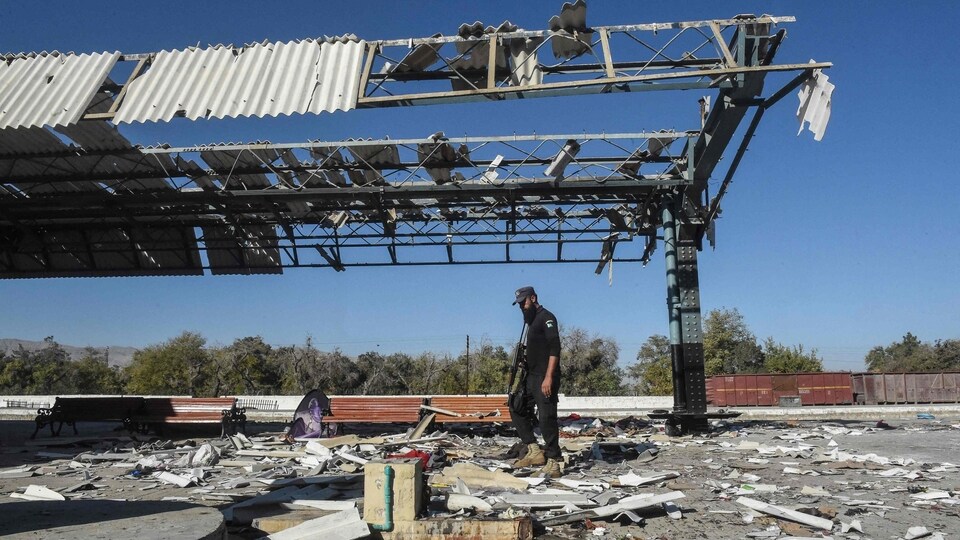
Many of the people in Balochistan feel their demands have long been neglected by the federal government in Islamabad. Elections in the province have often been marred by allegations of the military deciding outcomes, and Pakistan’s intelligence agencies have been accused of extrajudicial killings targeting dissidents. It is also significant that the devastating suicide bombing in Quetta came days after India cited security reasons for not sending its cricket team to Pakistan for the 2025 Champions Trophy. The Indian side has indicated it would prefer that the team’s games be arranged at a neutral venue.
This is understandable since the Quetta bombing was not a singular incident but the latest in a series of blasts and killings by a slew of extremist and terrorist groups in Pakistan. Political turmoil had even cast a shadow over a key meeting of the Shanghai Cooperation Organisation (SCO) in October but that could be managed because of the contained nature of the event. This may not be possible in a sporting spectacle such as the Champions Trophy, even if no games are scheduled in Balochistan. Pakistani officials used the successful holding of the SCO meet to float a canard that the resumption of cricket ties was discussed with the Indian side – something denied subsequently by New Delhi. The Pakistan Cricket Board should consider the “hybrid” model so that the tournament is rescued – without India, the event will be a damp squib and the tournament’s financial viability could take a hit.


