
 E-Paper



Vemula and the new political wave
Vemula’s suicide touched off protests for a statutory regulation against campus-based harassment . Six years on, the demand remains unfulfilled. But a brighter legacy was the creation of a new generation of assertive students who have refused to take harassment lying down

 Prefer HTon Google


The birth of independent India was also its moment of freedom from the shackles of untouchability. The hope of the country’s founders, especially its first law minister BR Ambedkar, was that a constitutional ban on the practice would herald the end of caste bias in institutional and everyday forms.
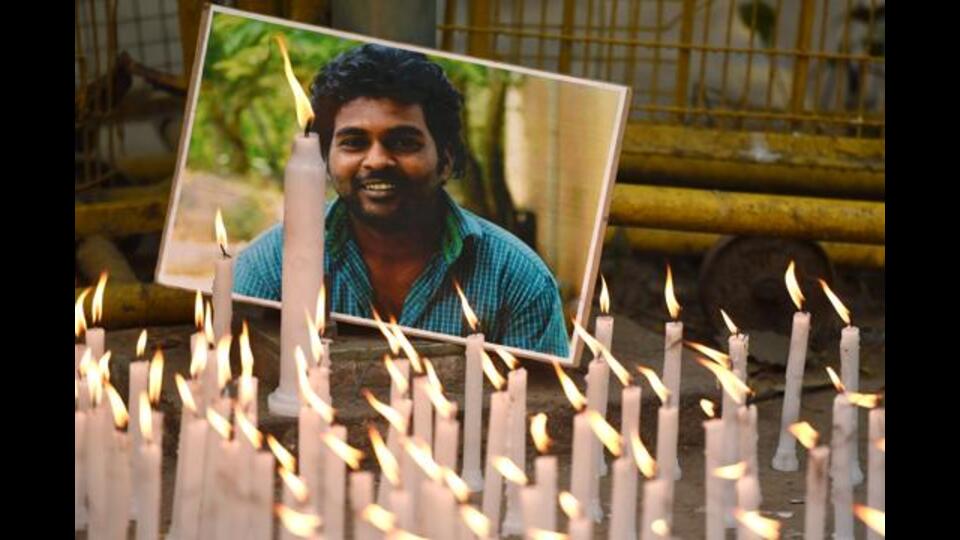
In the last seven decades, that promise has been repeatedly belied. But the death of Hyderabad University student Rohith Vemula in 2016 was a particularly cruel blow because it underlined how young people from marginalised communities continued to battle caste-erected hurdles in their pursuit of ordinary goals. It also showed that despite India’s longstanding policy of affirmative action in educational institutions, not much headway had been made in breaking the hold of caste-based mindsets in universities.
Vemula’s suicide after weeks of caste-based discrimination and the indifferent response of authorities touched off protests across the country as caste-oppressed groups pushed for a statutory regulation against campus-based harassment and pervasive prejudice. Student bodies, led by the ones Vemula was a member of, asked the government to enact a law against caste prejudices on campuses.
Six years on, the demand remains unfulfilled though some educational institutions have started to address caste discrimination through existing mechanisms. But a brighter legacy left behind by Vemula was the creation of a new generation of assertive students who have refused to take caste-based harassment lying down and chronicled their experience of studying in institutions where caste attitudes continued to shape everyday interactions.
Universities are meant to be nurturing spaces that mold the intellectual capacity of students. Caste is the anti-thesis of this paradigm because, as Vemula eloquently wrote in his suicide note, it is based on the accident of birth. For India to progress, all of her people have to come together. After all, as Carl Sagan said ( and Vemula noted), we are all made of star dust.


