Come winter, India, especially north India, gets all worked up about air pollution. For researchers, this also becomes the prime time to release reports on this critical issue. The latest one has come from the premier medical journal, Lancet, highlighting the need to have climate policies that curb air pollution. One of the key findings of the report is this: indoor air pollution was linked to more than 1.24 lakh deaths across India in 2015, which was higher than the number of deaths caused by pollution emanating from coal power plants (80,368 fatalities) and other industries (95,800 fatalities).
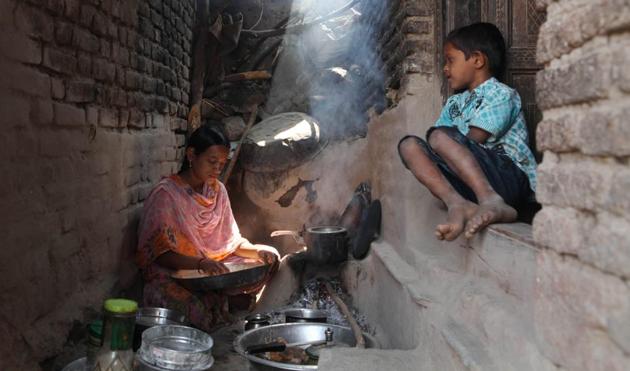
The Lancet report is a timely reminder that we ought to take indoor pollution much more seriously . For example, household pollution in India (especially in the rural areas) is caused by the use of polluting fuel sources such as wood, charcoal and animal dung. Women pay heavily for it. The elderly, too, suffer from this kind of pollution because they spend so much time indoors.
To tackle this challenge, authorities must spread awareness among people about the issue and the serious threat it poses to their health and wellbeing. This should help people in finding different ways of reducing exposure with better kitchen management and protection of children at home. Second, change in pattern of fuel use. At present, majority of low-income families rely solely on direct combustion of biomass fuels as this is the cheapest and easiest option available to them. This has to be rectified by promoting the use of cleaner energy sources. Third, there must be some modification in redesigning the cooking stove, like adding a chimney; and last, but not the least, improvement in ventilation.
Along with having direct health effects, pollution of any nature also has a long-term impact not just on the person but also on the goals of a nation. Can India meet the targets of Sustainable Development Goals — for example, Goal number 3 talks about “Ensuring healthy lives and promoting the well-being for all at all ages is essential to sustainable development” — without tackling pollution on a war footing?
{{/usCountry}}Along with having direct health effects, pollution of any nature also has a long-term impact not just on the person but also on the goals of a nation. Can India meet the targets of Sustainable Development Goals — for example, Goal number 3 talks about “Ensuring healthy lives and promoting the well-being for all at all ages is essential to sustainable development” — without tackling pollution on a war footing?
{{/usCountry}}