
 E-Paper



Punjab polls: 37% candidates of four main parties facing criminal cases
Of the 468 candidates fielded by the Congress, AAP, SAD-BSP, and BJP-PLC-SAD (Sanyukt), 173 have declared one or more criminal cases against them

 Prefer HTon Google


One out of three candidates of the four frontline parties or alliances fighting the February 20 Punjab elections faces criminal case(s), including some who are accused of crimes such as rape, murder, attempt to murder, booth capturing, illegal sand mining, cheating and forgery.
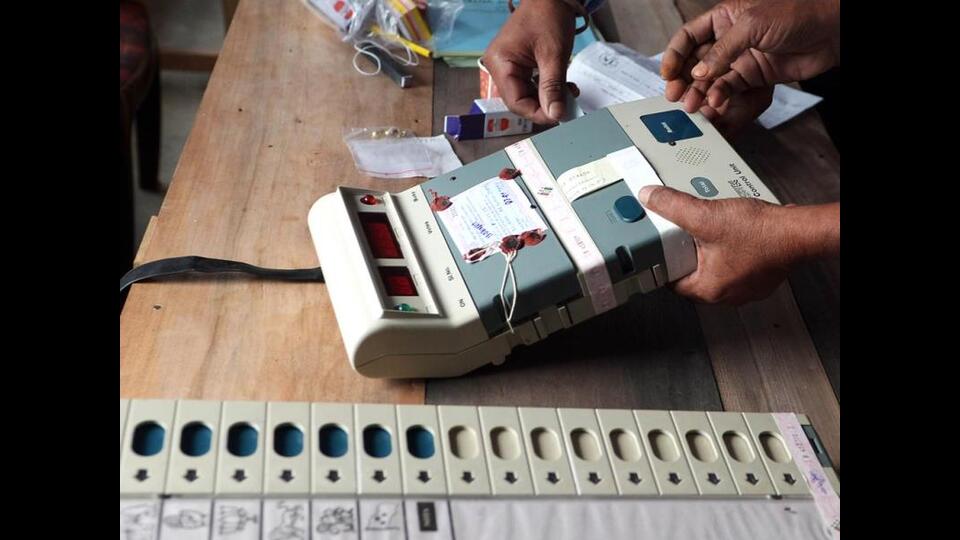
Of the 468 candidates fielded by the Congress, Aam Aadmi Party (AAP), the Shiromani Akali Dal-Bahujan Samaj Party (SAD-BSP) and the Bharatiya Janata Party (BJP)-led combine, 173, or say 37%, have declared one or more criminal cases against them, according to an analysis of the data carried out by Hindustan Times after gleaning the affidavits submitted by the contestants with their nomination papers to the election authorities.
A number of them are facing charges such as unlawful assembly, disobedience to order of public servant, blocking highways, damage to public property and violation of Covid restrictions. All four players have 117 candidates each in the fray. The Sukhbir Singh Badal-led SAD and its alliance partner BSP, have 68 such candidates, constituting 55 per cent of the party nominees, who have declared about 160 outstanding cases against themselves.
The AAP comes next having 60 candidates with 108 cases, followed by the BJP-led combine, which also includes former chief minister Capt Amarinder Singh’s Punjab Lok Congress and Sukhdev Singh Dhindsa’s SAD (Sanyukt). The three-party alliance has 31 candidates who have declared 37 criminal cases against them in their election affidavits whereas the Congress, which ruled the state for last five years, has 14 candidates with 24 criminal cases.
A total of 1,304 candidates are in the fray, and 298 of them have criminal antecedents, according to the data available on the ‘Know Your Candidate (KYC) mobile app launched by the Election Commission of India for electors to know the particulars and criminal antecedents of a candidate. Election laws allow such candidates to contest so long as they have not been convicted in a criminal case in which a jail term of two or more years has been awarded.
Candidates in nine segments are clean
There are nine assembly segments in which not a single candidate has any criminal case. These are: Amritsar Central, Attari, Batala, Fatehgarh Churian, Rajasansi, Rampura Phul, Shutrana, Sujanpur and Ghanaur.
In other segments, several prominent leaders have declared one or more cases. As per the affidavit submitted by SAD president Sukhbir Badal who is contesting from Jalalabad, he has seven FIRs against him, including one for alleged criminal intimidation. Capt Amarinder, who is fighting from Patiala Urban, has a case related to alleged income tax invasion.
Akali leader Bikram Singh Majithia, who is contesting from Amritsar East, has declared six cases, including one under Section 27-A of the NDPS Act for allegedly financing illicit traffic of banned drugs and harbouring offenders. Congress nominee from Bholath Sukhpal Khaira has three cases, including one under the Prevention of Money Laundering Act (PMLA), his alleged involvement in a drug and weapons haul case of 2015. Khaira is currently out on bail.
As per the affidavits, AAP candidate from Ajnala Kuldeep Singh Dhaliwal and SAD candidate from Ludhiana North RD Sharma are facing murder charges. On its website, AAP has termed Dhaliwal as a ‘social and agricultural activist’. “He (Dhaliwal) is a household name who would like to carry forward his good work to Punjab assembly. The case will not stand in the court,” says the official website of the AAP. The party has justified tickets to candidates with criminal antecedents, terming the cases against several of them as ‘political vendetta’.
Akali candidate from Gidderbaha Hardeep Singh Dimpy Dhillon has two FIRs against him for allegedly capturing election booths, removal of ballot papers. As per his election documents, Dhillon is also named in a case of causing damage to public property by fire or explosive substance.


