Kosovan filmmaker Visar Morina’s Shame and Money plays out like a searing indictment of the economic disparity that has become so palpably real in the world today. This is a story about the crushing indignities, daily struggles and the systemic dismantling of a working-class family forced to confront their realities every single day. How much more can they possibly endure until they break? Wrenching and told with confidence, Shame and Money plays out like a moral anticapitalist thriller. (Also read: A mother fights the system to protect and preserve a mountain in unforgettable doc | Sundance Film Festival review)
Shame and Money won the Grand Jury Prize in World Cinema Dramatic Competition.
The premise
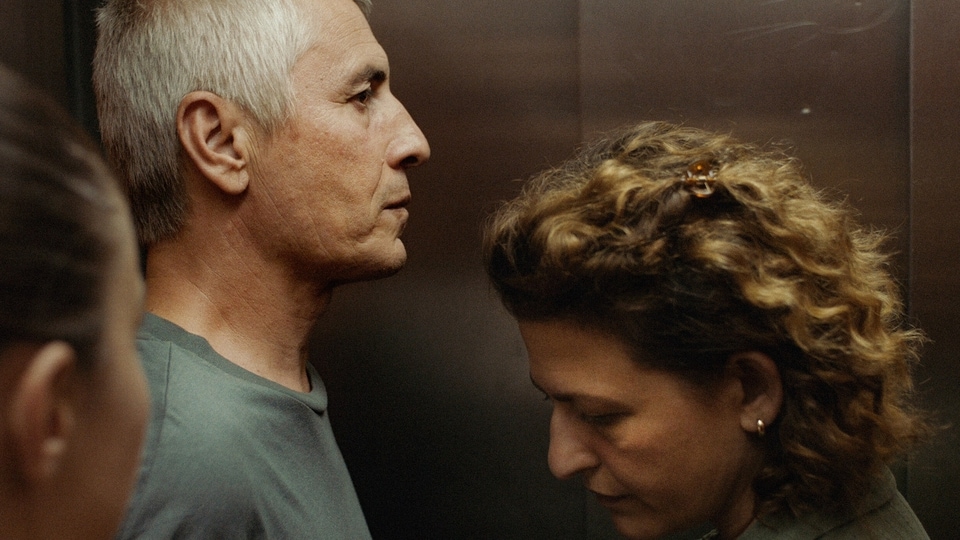
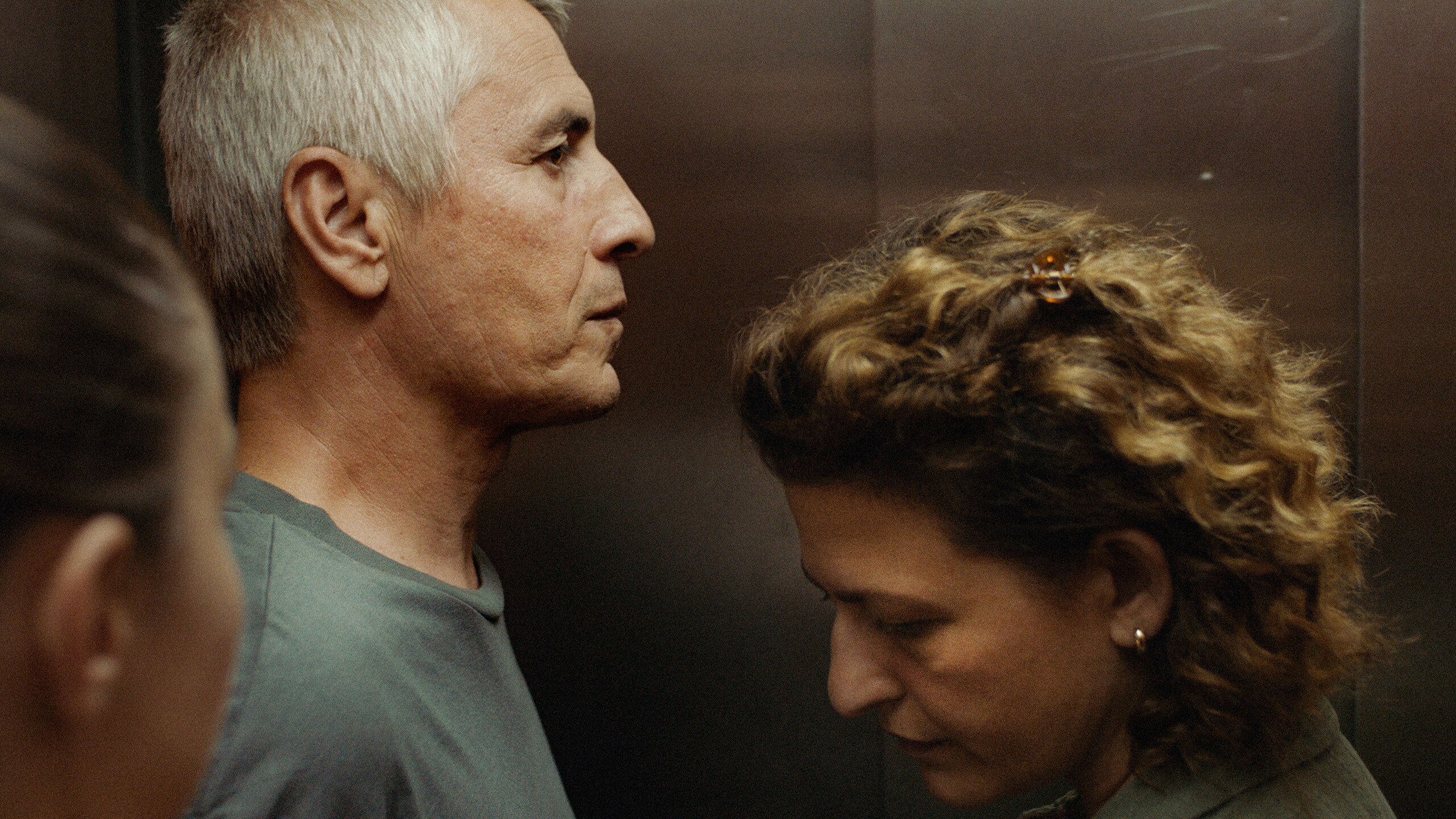
Morina's third feature, after Babai and Exil, begins like a slow-burner. At the dinner table, the lines are drawn. Shaban (Astrit Kabashi) and Hatixhe (Flonja Kodheli) are the ones reeling with the consequences after a heated exchange with the black sheep of the family, the youngest child, Liridon (Tristan Halilaj). They learn that he has run off to Germany and sold the farm cows.
Movie Review
Shame and Money
4/5
After losing their livelihood in a village, a Kosovar family is forced to move to the capital in pursuit of a place in a hypercapitalist society.
Director
Visar Morina
Cast
Astrit Kabashi, Flonja Kodheli, Kumrije Hoxha, Fiona Gllavica, Alban Ukaj
Verdict
A wrenching drama that makes a plea for the common man's dignity and takes aim at economic disparity.
Shaban, the family's provider, has no choice but to relocate with Nana and their young daughters (Aria Shala, Riga Morina, and Melika Gashi). Although it is the matriarch, Nana (Kumrije Hoxa), who offers her lira to secure them an apartment, their troubles are only starting. In Pristina, Hatixhe's sister Adelina (Fiona Gllavica) lives with her husband Alban (Alban Ukaj) and his parents. They are comparatively far better off, and Shaban takes up a job under his brother-in-law. But one job is not enough for him, and he looks for more, which complicates matters to a degree from which there is no return.
What works
Shame and Money takes time to feed off these contexts and characters, but the filmmaking remains confident and refuses to resort to overexplanatory dialogue. It is all in the unsaid, the way Shaban greets Alban, or the way he becomes more and more aloof towards his own kin after the day's toil. The frames are filled with anger and fury, as both Shaban and Hatixhe come to realise what it means to be powerless and poor in a capitalistic society. Hatixhe tells Adelina at one poignant moment of reflection, “Shame is a luxury.” These few words are emblematic of the film itself.
Unlike class-conscious thrillers like the Oscar-winning Parasite or the Oscar-snubbed No Other Choice, there is no ticking clock in Shame and Money for the powerless to avenge their state of powerlessness. Shabana and Hatixhe are somehow too considerate and yielding; they are two good people who want to live with dignity, which seems to be slipping out of reach. A particularly moving sequence centres on a wedding celebration near the statue of Bill Clinton. Almost as if the film breaks away from the agonising and crushing reality of this family to seek a few moments of respite.
Final thoughts
Kabashi and Kodheli offer authentic turns, anchoring the film with their guardedness. The loss and pain are written on their faces, but they cannot afford to wallow in each other's self-pity. Morina does not exploit their sense of powerlessness at any point, which ultimately pays off in that shocking (yet not entirely unexpected) denouement. Shame and Money is a plea for the many Shabans and Hatixhes who endure and carry on, hoping the next day will be a little easier. If the system fails them every time, where do they go? They must learn the hard way, and we, the viewers, must learn never to judge them.
Santanu Das is covering the Sundance Film Festival as part of the accredited press.
Santanu Das is a Senior Content Producer at Hindustan Times with over 5 years of experience, writing on films, pop culture and film festivals. He has a keen interest in writing about South Asian independent films and has covered several film festivals, including Sundance and CPH: Docx. He also brings a sharp perspective to the monthly column called The Fault in Our Stars, where he writes about a recent film/series and what stops the ‘good’ from becoming ‘great’.
A gold medalist from Banaras Hindu University, Santanu completed his postgraduate studies in English from Jadavpur University. He is also a Rotten Tomatoes-certified film critic. When not watching films or speaking to celebrities, Santanu can be found reading a book. Some of his favourite films are Aparajito, Ponyo and The Double Life of Veronique. His favourite books include The Corrections, The God of Small Things and A Room of One's Own.
Santanu continues to write passionately about films and celebrity culture. He brings a relatable, as well as critically informed, lens to entertainment and culture for a wide audience.
Find him on LinkedIn: santanudasfilm
Instagram: @santupechaRead More

 E-Paper