
 E-Paper



Haven’t progressed much on protecting forests for climate mitigation: IPCC report lead author
The report shows how climate change was devastating global ecology and impacting the lives of people

 Prefer HTon Google


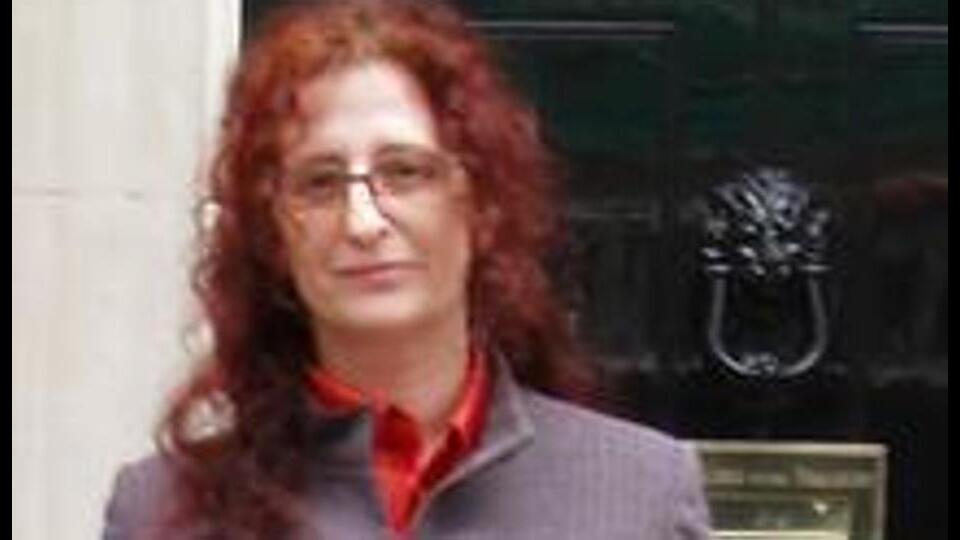
The Intergovernmental Panel on Climate Change (IPCC) on Monday released its report saying the world needs to achieve net-zero emissions by 2050 to limit the warming of the earth to 1.5-degree Celsius by the turn of the century. The report is part of IPCC’s sixth assessment cycle and shows how climate change was devastating global ecology and impacting the lives of people. Dr Jo House, the report’s lead author and director of the Master’s Programme at the University of Bristol, UK, spoke to HT over the implications of the report, especially with respect to forest management and biodiversity. Edited excerpts:
What are the top three highlights of the report?
The first, I think, is that the report clearly tells us that we are not making enough progress with regards to restricting temperature rise to 1.5-degree Celsius as agreed in the Paris Climate Deal and the transition to a sustainable way of life is very slow. Second, is hope, that we can achieve the 1.5-degree Celsius target as prices of renewable energy have come down by almost 85% in some countries and if the nations want, transition to cleaner fuels, could be faster. Third, is that there is a need for immediate people and policy action to provide an affordable chain of sustainable living ways. The time to act is now, or it would be too late.
In land-use emissions, the IPCC report says some countries have underestimated their emissions. Why so?
Yes, there is a difference in IPCC view with that of some countries. Neither the countries are right nor wrong nor IPCC. It is because of different approaches the countries have taken to estimate emissions from land-use changes such as deforestation, increasing urbanisation, and loss of green cover. A major reason for the difference is whether the management of forests has led to lower or higher anthropogenic emissions as per UNFCCC prescribed inventories. Some countries may have been given a lower estimation of anthropogenic emissions causing climate change. For example, the impact of wood harvesting on emissions has different answers from different countries. I will not like to pass judgment on this and want to say we have made progress on land use emission management.
The report has highlighted the challenges because of forest loss and said the pace of loss has reduced in the past decade. What are forest loss impacts on climate change?
Destruction of forests and loss of biodiversity is the loss of a community resource for people living in forests. Loss of forest also means loss of biodiversity and wildlife. Natural forests have the highest capacity to act as carbon sinks and their destruction is a major setback to climate mitigation efforts. We have been saying that the choice for us should be to avoid deforestation and provide enabling conditions to protect forests and biodiversity. There should be money for forestry and enabling provisions to economically support people dependent on forests for livelihood. Sadly, we have not progressed much in protecting forests.
The IPCC has also pointed out that some emerging sectors have been left out of the emissions inventories leading to a lower calculation of emission estimation...
There are no big gaps. Some sectors may have not been fully incorporated but that is fine. Some developing countries do not have the capabilities to calculate all emissions efficiently. We have to understand that. And that has been acknowledged in the common but differentiated responsibility principle of the UNFCCC, which provides for higher responsibility of the developed world in all aspects of climate change as compared to developing world. The developed world, as a historical emitter and responsible for climate change, needs to do more to control emissions. The developing world whose contribution to climate change is less has to take voluntary action. It has been changed in the Paris Climate Deal with all countries responsible for climate mitigation with higher ambition for the developed world as compared to the developing countries. The Paris agreement also provides help to the developing countries to efficiently report emissions from all sectors.
The IPCC report signals the end game for coal. What do you have to say?
The United Kingdom has shifted from coal to gas like much of Europe. Countries have to take action depending on their capabilities. We need climate finance to support global access to cleaner technologies to replace the use of coal. We need to support countries to phase out coal.
The report shows that the world is not on a trajectory to achieve net-zero carbon emissions by 2050. The world needs a rapid increase in efforts now to achieve the target. Science is clear on this. The report also acknowledges the transformation is happening but we need enabling conditions for the change to happen faster. We need to reduce the use of coal, gas, and other fossil fuels and start decarbonisation of public transport, introduce more efficient cooling systems and bring behavioural change among people.


