India added at least 800 new species of plants and animals, including those which were earlier not known to man, in 2020 despite being a pandemic year.
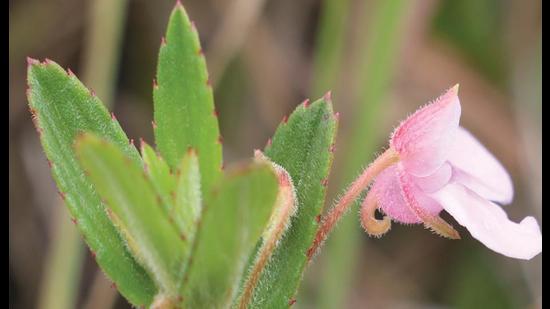
However, the number of discoveries dropped due to the Covid-19 pandemic from the average number of discoveries made by the Botanical Survey of India (BSI) and Zoological Survey of India (ZSI) in the past five years.
“The surveys and exploration work got halted because of the pandemic. The scientists worked mostly from home. Despite the pandemic, 267 new species of plants were discovered across India. Some of these were reported from the country for the first time,” said BSI director AA Mao.
On an average, the BSI has been identifying around 350 species of plants every year in the last five years at least.
The BSI released its list of new discovery of plant species on Monday while that of the ZSI was out last month. Both have their headquarters in Kolkata.
Also Read | Uttarakhand to start ₹39crore man-wildlife conflict mitigation project
Scientists from the ZSI discovered 557 new species out of which 407 were new, while the rest were reported from the country for the first time.
The list of new discoveries includes 28 reptiles, six amphibians, and 28 species of fish. Out of the 28 reptiles, 27 were new discoveries. All six amphibians have been recorded for the first time while at least 23 species of fish have been reported for the first time,” said a ZSI scientist.
{{/usCountry}}The list of new discoveries includes 28 reptiles, six amphibians, and 28 species of fish. Out of the 28 reptiles, 27 were new discoveries. All six amphibians have been recorded for the first time while at least 23 species of fish have been reported for the first time,” said a ZSI scientist.
{{/usCountry}}India now has 102,718 species of animals and around 54,000 species of plants which include flowering, non-flowering plants, ferns, mosses, liverworts, fungi, algae, lichens and microbes.
The maximum number of new species of animals were recorded in Karnataka (66) followed by Kerala (51) and Rajasthan (46). Every year, the maximum number of discoveries are made from biodiversity hot spots such as the Himalayas, Western Ghats and the Nicobar islands in Bay of Bengal.
“Over the past one-and-half year, field surveys have virtually come to a halt. During this time, ZSI scientists had to primarily depend on the samples they collected in earlier field trips. Not all samples which are collected can be analysed in one go. Those were analysed and we came up with a few hundred new species,” said Dhriti Banerjee, ZSI director.