
 E-Paper



Sugary drinks with protein-rich food may make you fat, finds study
New research finds that consuming juices or soft beverages with meat, chicken, fish and dairy products may lead the body to store more fat.


Consuming a sugar-sweetened drink like fruit juices with a high-protein meal including lean meat, chicken, fish and dairy products may negatively affect energy balance, alter food preferences and cause the body to store more fat, according to a study.
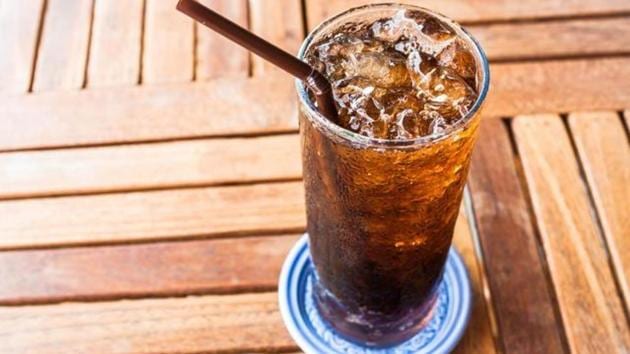
The findings showed that the inclusion of a sugar-sweetened drink decreased fat oxidation, which kick-starts the breakdown of fat molecules, after a meal by 8%.
The combination will also increase the desire to eat more unhealthy junk food for hours after finishing breakfast.
“We were surprised by the impact that the sugar-sweetened drinks had on metabolism when they were paired with higher-protein meals. This combination also increased study subjects’ desire to eat savoury and salty foods for four hours after eating,” said lead author Shanon Casperson, from USDA-Agricultural Research Service Grand Forks Human Nutrition Research Centre in the US.
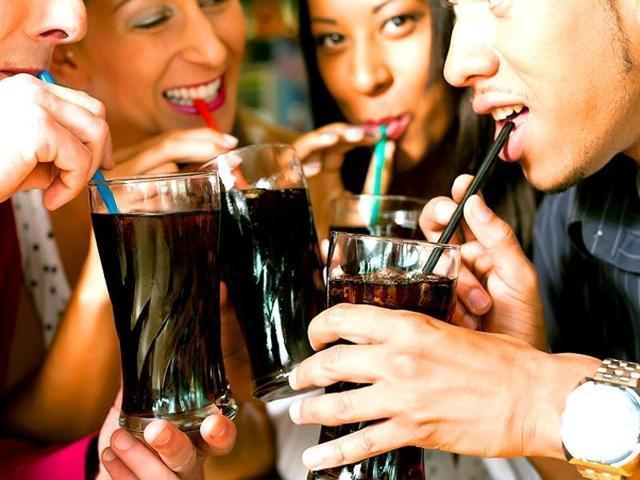
If a sugar-sweetened drink was consumed with a 15% protein meal, fat oxidation decreased by 7.2g on average, while with an intake of 30% protein meal fat oxidation reduced by 12.6g on average.
While having a sugar-sweetened drink increased the amount of energy used to metabolise the meal, the increased expenditure did not even out the consumption of additional calories from the drink, the researchers said, in the paper published in the journal BMC Nutrition.
“We found that about a third of the additional calories provided by the sugar-sweetened drinks were not expended, fat metabolism was reduced, and it took less energy to metabolise the meals,” Casperson said. “This decreased metabolic efficiency may ‘prime’ the body to store more fat,” he added.
For the study, the team recruited 27 healthy-weight adults (13 male, 14 female), who were on average 23 years old. “The results provide further insight into the potential role of sugar-sweetened drinks in weight gain and obesity,” Casperson said.
Follow @htlifeandstyle for more
Catch your daily dose of Fashion, Taylor Swift, Health, Festivals, Travel, Relationship, Recipe and all the other Latest Lifestyle News on Hindustan Times Website and APPs.


