The Aam Aadmi Party (AAP) on Thursday questioned the Union government’s position on the ongoing conflict between the United States and Iran, with senior leader Manish Sisodia seeking clarity on India’s energy security strategy and diplomatic response.
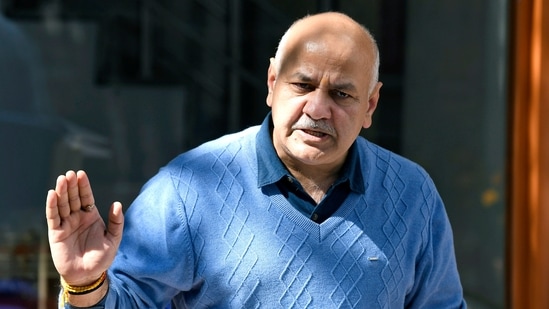
Addressing reporters and posting on social media, Sisodia said Prime Minister Narendra Modi had not publicly commented on the escalation, and argued that the situation could have implications for India’s oil supply and foreign policy.
Referring to a recent trade agreement between India and the United States, Sisodia said one of the conditions involved India not importing oil from Russia. He questioned whether the decision was taken with full awareness of the potential impact of the conflict on global energy markets.
“India does not produce most of the oil it consumes. Decisions affecting supply sources are directly linked to price stability and energy security,” Sisodia said, adding that the government should clarify whether it was aware of the likelihood of conflict when the agreement was signed.
He further referred to reports that an Iranian naval vessel invited to participate in Milan Exercise 2026 was struck during hostilities, resulting in casualties. Sisodia said the government should issue a formal statement on developments that may affect India’s diplomatic and strategic interests.
{{/usCountry}}He further referred to reports that an Iranian naval vessel invited to participate in Milan Exercise 2026 was struck during hostilities, resulting in casualties. Sisodia said the government should issue a formal statement on developments that may affect India’s diplomatic and strategic interests.
{{/usCountry}}The AAP leader also called for a broader discussion on India’s foreign policy approach amid the evolving situation in West Asia.
There was no immediate response from the Bharatiya Janata Party (BJP) or the Prime Minister’s Office to Sisodia’s remarks at the time of publication.
The Union government has previously maintained that India’s foreign policy decisions are guided by national interest, strategic autonomy and energy security considerations.