Uttarakhand has collected 798 tonnes of waste across the four Char Dham destinations during the ongoing pilgrimage season, as part of efforts to improve sanitation and reduce plastic waste in the Himalayan pilgrimage circuit, the state government said.
The campaign covers Kedarnath, Badrinath, Gangotri and Yamunotri, with local bodies responsible for waste management at the respective sites. The government said the initiative was launched with an emphasis on scientific waste disposal, plastic recycling and greater awareness among pilgrims, local residents and traders.
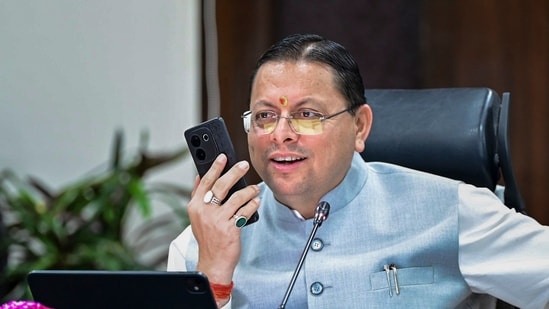
Chief minister Pushkar Singh Dhami said the four dhams are part of both Uttarakhand’s religious and cultural heritage and the ecologically sensitive Himalayan region. He said the government was focusing on waste disposal and recycling to make the pilgrimage cleaner and more environmentally sustainable.
At Kedarnath, 32 tonnes of solid waste have been collected so far during the current yatra season, including 20 tonnes of plastic waste, according to the government. An additional compactor machine has been installed by the urban development department this year.
Kedarnath and Badrinath account for significant waste collection
The collected solid waste from Kedarnath is being transported to Gaurikund, after which it will be auctioned, the government said. On the Kedarnath pedestrian route, Sulabh International is responsible for sanitation and has collected 270 tonnes of solid waste this season. Of this, 6.5 tonnes of plastic waste has been sent for recycling.
{{/usCountry}}The collected solid waste from Kedarnath is being transported to Gaurikund, after which it will be auctioned, the government said. On the Kedarnath pedestrian route, Sulabh International is responsible for sanitation and has collected 270 tonnes of solid waste this season. Of this, 6.5 tonnes of plastic waste has been sent for recycling.
{{/usCountry}}At Badrinath, 393 tonnes of waste have been collected during the season, including 161 tonnes of dry waste. The Nagar Panchayat is compacting solid waste within the pilgrimage area. Around 24 tonnes of plastic waste has been separated so far, with water bottles accounting for a significant share, according to the government. The collected plastic is being prepared for auction.
The figures cover waste collected through different local and sanitation arrangements and therefore include both solid and plastic waste reported by the respective agencies.
Gangotri and Yamunotri focus on recycling and disposal
Gangotri has reported collection of 98 tonnes of waste during the yatra season. The Nagar Panchayat has recycled 22 tonnes of plastic waste and generated ₹55,000 in revenue from it, the government said. It has also produced 2.5 tonnes of compost from waste.
Special cleanliness drives are being conducted daily in the Gangotri area, with the local administration focusing on sanitation and environmental protection.
At Yamunotri, 4.85 tonnes of plastic waste have been collected and safely disposed of. Of this, 1,790 kg was collected between Janki Chatti market and the rural market at Damta, while 3,060 kg was collected from the Janki Chatti-Kharsali market area. Waste management at Yamunotri is handled by the district panchayat.
Dhami said continued participation from pilgrims, local residents and traders would be necessary alongside government measures to reduce waste and improve recycling across the four pilgrimage sites.