
 E-Paper



Experts say Indian healthcare is prepared to manage fevers but must remain alert to emerging infectious threats
The Fever Foundation Conference concluded after two days of discussions focusing on fever care, diagnosis, management, and disease surveillance efforts in India

 Prefer HTon Google


The 8th edition of FeFCon (Fever Foundation Conference) concluded today after two days of scientific discussions, bringing together clinicians, researchers and public-health experts from across India under the aegis of the Fever Foundation of India in collaboration with Micro Labs Ltd.
The conference explored a range of topics to advance fever care in India, including approaches to diagnosis and management, distinguishing infectious from non-infectious causes, and advances in pediatric and critical-care management. Sessions highlighted disease surveillance efforts such as measles and rubella elimination, updates on infections like dengue and respiratory illnesses, rational antibiotic use, public-health prevention strategies, and managing complex fever cases—reflecting the integration of technology, clinical expertise, and evidence-based practices in modern fever management.
Reflecting on the proceedings, M D Ravi, Professor of Pediatrics and Chairman of the Clinical Development Services Agency – Centre for Clinical Research and Excellence (CDSA–CCRE), (Govt. of India), said, “Indian doctors and the healthcare ecosystem are well-prepared to manage fevers of all types, as demonstrated during the COVID-19 pandemic. However, with ongoing threats from avian influenza, swine flu, and other emerging infectious diseases, it is crucial to continuously update knowledge, strengthen surveillance, and ensure the healthcare system is ready to respond effectively to the next wave of infectious outbreaks.”
Speaking about fever management in the Indian context, Jyotirmoy Pal, President – Association of Physicians of India (API), noted that “with most of India lying in tropical climatic zones, many illnesses can begin with fever as the first sign, making it difficult to pinpoint the cause early. A structured clinical approach helps doctors assess symptoms quickly and choose the right treatment pathway.”
G. Narsimulu, President Elect – API and Former Professor & HOD Rheumatology – NIMS, Hyderabad, noted that while India’s medical expertise is comparable with Western countries and top hospitals like AIIMS follow global standards, there is scope to further strengthen infrastructure across central and state institutions and expand advanced fever management across various types of fever.
Speaking on behalf of the organising team, Manjula, Convener – Fever Foundation of India, said that FeFCon continues to evolve every year as a practical, science-driven forum focused on addressing needs in fever care and strengthening collaboration among physicians, specialists and young clinicians.
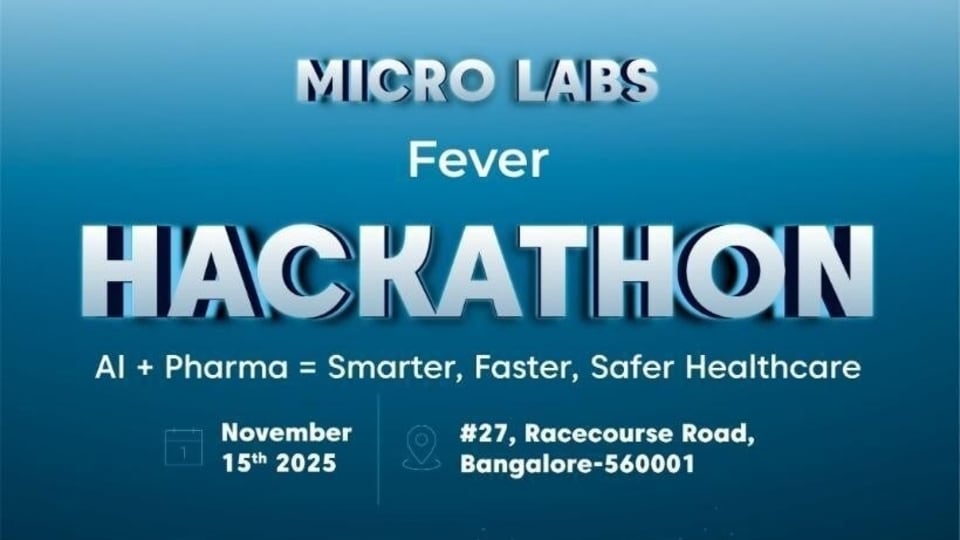
On the sidelines of the conference, an AI-driven hackathon on fever diagnosis, outbreak prediction, and clinician support tools, along with a national-level science quiz for medical students, was conducted, with prizes awarded to the winners.
Note to the Reader: This article is part of Hindustan Times' promotional consumer connect initiative and is independently created by the brand. Hindustan Times assumes no editorial responsibility for the content.


