
 E-Paper



Why Treating the Root Cause of Hair Loss Is More Effective Than Quick Fixes
Quick fixes for hair fall often overlook deeper health issues. A root-cause treatment approach considers overall well-being.

 Prefer HTon Google


Hair fall is frustrating. And when you’re seeing more strands on your pillow or in the shower, the first instinct is to do something-fast. Maybe try a new oil, switch shampoos, or grab a popular supplement.
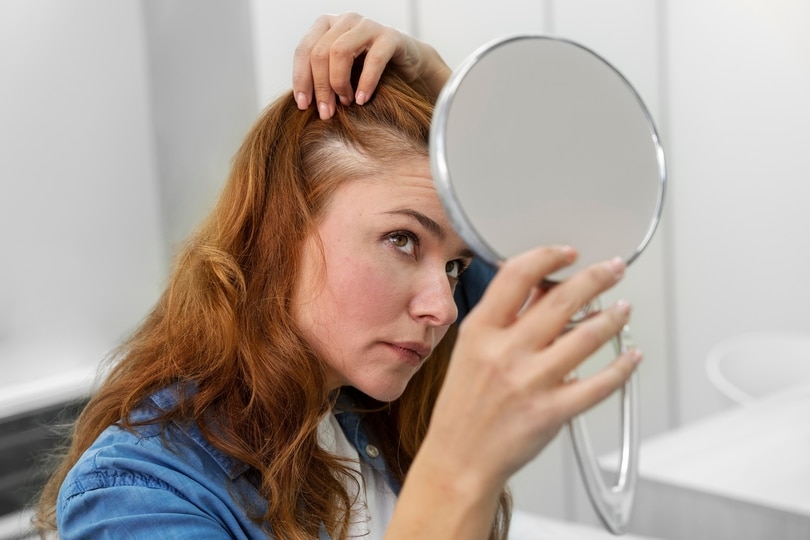
But the truth is, most of these solutions are surface-level. They might offer short-term comfort or mild improvement, but if the real cause of your hair loss isn’t addressed, it usually comes right back.
That’s where root-cause treatment makes all the difference.
Quick Fixes: Why They’re So Popular (But Rarely Last)
There’s no shortage of products that promise to stop hair fall in 10 days. Most people try:
- Anti-hair fall shampoos
- Over-the-counter serums
- DIY oil mixes or onion juice
The reason these are tempting is simple: they’re easy, and they seem harmless. Some of them might even work a little. But hair fall is rarely caused by just dry scalp or poor shampoo. That’s why the results don’t last-or never show up at all.
The Problem Often Lies Beneath the Surface
Hair fall is usually a sign that something deeper in the body isn’t working right.
Here are some of the most common internal triggers:
- Nutritional Deficiencies: Lack of iron, vitamin D, B12, or zinc
- Hormonal Imbalances: Thyroid issues, PCOS, post-pregnancy shifts, or high DHT levels
- Gut Health: Poor digestion or absorption due to acidity, constipation, or bloating
- Stress & Sleep: High cortisol levels and lack of rest can push hair into the shedding phase
- Scalp Inflammation: Hidden fungal infections, dandruff, or product buildup
Unless these root problems are treated, even the best product on the shelf can only do so much.
What Does Root-Cause Treatment Look Like?
Instead of targeting symptoms (like dandruff or dryness), root-cause treatment looks at your whole body and lifestyle to find the real issue behind hair loss. It involves:
- Identifying deficiencies with proper testing or expert evaluation
- Correcting gut imbalances to improve nutrient absorption
In short, it doesn’t just patch the problem. It rewires the system that caused it.
A Simple Analogy
Think of your hair like a plant. Quick fixes are like spraying the leaves when they wilt. But root-cause treatment is like checking the soil, sunlight, and water levels-because that’s where the real solution lies.
Signs You May Be Chasing Quick Fixes
If you’ve tried multiple products, seen temporary improvements, but the hair fall keeps returning-or hasn’t improved at all-there’s a high chance you’re only treating the surface.
Other signs:
- Constantly switching products every few weeks
- No improvement after 3+ months of using a product
Why It’s Worth Going Deeper
Root-cause treatment takes more time and effort-but it leads to lasting results. You stop guessing and start understanding. Your hair doesn’t just stop falling-it grows back stronger, thicker, and healthier.
And more importantly, you stop wasting time and money on things that never worked in the first place.
Who’s Doing It Right?
One of the platforms focusing on this deeper approach is Traya. Instead of selling hair oils or promising overnight miracles, they combine the strengths of Ayurveda, dermatology, and nutrition to figure out why your hair is falling-and what needs to change internally.
It’s not a one-size-fits-all solution. It’s your plan, based on your body.
Final Thoughts
Hair fall is rarely just about hair. It’s often your body’s way of telling you that something inside needs fixing.
Quick fixes might feel good in the moment, but they don’t solve the bigger problem. Root-cause treatment might take longer-but it actually works.
And when you finally address the real issue, your hair thanks you for it.
Note to readers: This article is part of HT's paid consumer connect initiative and is independently created by the brand. HT assumes no editorial responsibility for the content, including its accuracy, completeness, or any errors or omissions. Readers are advised to verify all information independently.
Want to get your story featured as above? click here!


