Hospitals in the city have geared up to prevent a swine flu outbreak after the city recorded a sharp spike in suspected cases of the highly contagious disease in a week.
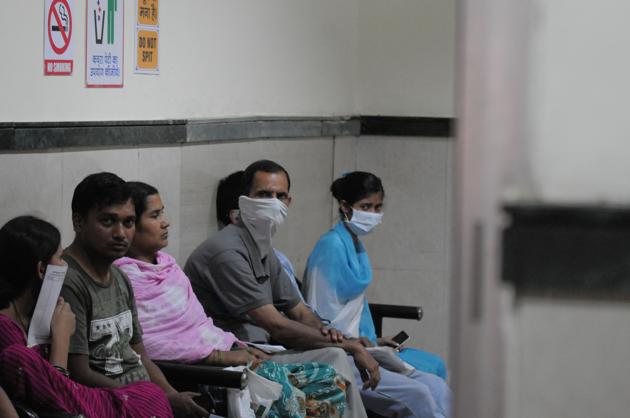
All private hospitals in the city have been asked by the health department to report all confirmed cases of H1N1 flu to the district civil surgeon.
Though the virus was dormant for the past two years, it has suddenly become active this month. During 2014, 37 cases of H1N1 were reported in Gurgaon. However, there were no casualties.
“The numbers of patients with symptoms of swine flu have increased over the last week. We have an isolation ward at the hospital and the drug, Tamiflu, is also in stock. We are geared up to deal with any kind of emergencies,” said Kanta Goyal, chief medical officer, civil hospital, Gurgaon.
All private hospitals have also made required arrangements to deal with swine flu cases.
“Swine flu virus gets active during the change of season. They spread either by direct contact with the infected person or with infected objects. Hand hygiene and social distancing are two key ways to prevent spread of the infection,” Rajesh Kumar, senior consultant, Internal Medicine, Paras hospital Gurgaon.
{{/usCountry}}“Swine flu virus gets active during the change of season. They spread either by direct contact with the infected person or with infected objects. Hand hygiene and social distancing are two key ways to prevent spread of the infection,” Rajesh Kumar, senior consultant, Internal Medicine, Paras hospital Gurgaon.
{{/usCountry}}Read I Gurgaon: 2 suspected swine flu cases spread panic in Patel Nagar
Doctors have advised residents to take precautions and cover their mouth and nose while sneezing. The symptoms of the disease include high temperature, tiredness, headache, sore throat, loss of appetite, diarrhoea and vomiting.
At present, the city has patients down with suspected category A and B swine flu.
The H1N1 virus is categorized under three categories. Patients diagosed with ‘Category A’ do not require testing for H1N1. The symptoms are mild fever, sore throat, cough, body ache, headache, nausea and diarrhoea. They are generally not advised to stay at home in isolation or are prescribed Tamiflu.
While, in ‘Category B’, the patients have high fever along with other symptoms of category A.
In Category C, the patients report symptoms of both Category A and B and are most below 5 or more than 60 years of age. They also run the risk of breathlessness and chest pain. They are mostly kept in isolation wards at hospitals.
Swine flu: Dos and Dont’s
Wash your hands properly and regularly
Use sanitisers, especially those that are alcohol based, for washing hands
Avoid crowded places in case the disease breaks out
If you feel any symptoms, stay at home and consult a doctor
Common symptoms
High fever
Sore throat, cough and cold
Breathlessness and tiredness
Headache
Loss of appetite, diarrhea or vomiting
When to go for the test?
If cough, cold and fever persist for more than three days along with breathlessness, visit a doctor. Also, stay away from people to avoid spread of infection.
How much time does it take to obtain reports?
The report is normally given in 24 hours.
In case of emergency cases, the report can be prepared in 5-6 hours.
What is the treatment available?
Doctors usually prescribe the antiviral drug, Tamiflu, to reduce the severity of symptoms.
Stay updated with all the Breaking News and Latest News from Mumbai. Click here for comprehensive coverage of top Cities including Bengaluru, Delhi, Hyderabad, and more across India along with Stay informed on the latest happenings in World News.
Stay updated with all the Breaking News and Latest News from Mumbai. Click here for comprehensive coverage of top Cities including Bengaluru, Delhi, Hyderabad, and more across India along with Stay informed on the latest happenings in World News.