
 E-Paper



Swarga book review: The fight against environmental crime

 Prefer HTon Google


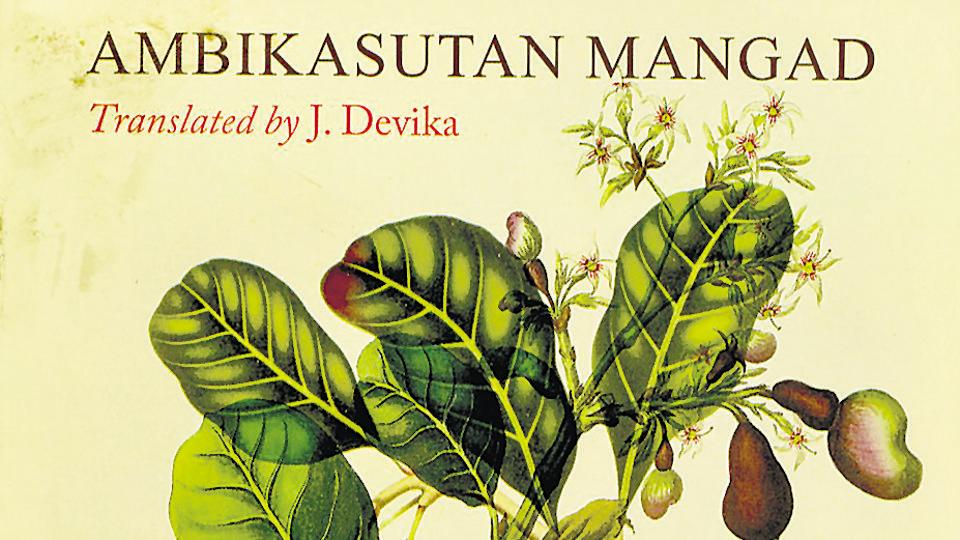
Ambikasutan Mangad’s book Swarga, translated from Malyalam by J Devika, traces a community’s struggle against the horrific impact of endosulfan use.
Ambikasutan Mangad’s Swarga translated from Malayalam by J Devika chronicles a decades-long struggle against the wrath of endosulfan, a pesticide that was used extensively in cashew plantations in the Kasaragod district of Kerala. The tale is told from the perspective of Neelakantan and Devayani who escape the degeneration of urban life by withdrawing into the forests of north Kerala, shunning human contact. Trouble and truth rupture their curated paradise in the form of a diseased child that Devayani brings into their house and their world unravels as the sad truth of their surroundings reveals itself.
The plot relies on mythology to imbue the lives of mortals with greater cosmological significance. The author weaves in references from the Mahabharata, the legend of King Mahabali and the story of Adam and Eve, with a recurring motif of the plot being the poisonous serpent. But the mythological references in the translation seem to encumber the flow of the narrative and it is only when Neelakantan and Devayani throw themselves body and soul into the fight against endosulfan that the reader gets truly drawn into the story.
“This poison has spread everywhere, in air water and soil,” a character says describing the effects of the use of the pesticide. It leaves a trail of devastation maiming children, causing mental disorders, taking lives.
Mangad, a professor of Malayalam at Nehru Arts and Science College, who in real life is part of the struggle against the use of endosulfan, has drawn deeply from his own experiences with the victims of the tragedy. “So many others in the novel are real; their agony is real,” he has said.
Mangad’s intimate understanding of the nexus between government officials, political leadership and private companies provides an unsettling portrait of what is takes to fight environmental crime in this country. As the novel progresses the poisonous effects of the pesticide morph from superstition to science, from whispered conversations to official reports to court judgments.
After almost three decades, endosulfan was banned in India in 2011. But those affected are still awaiting compensation. An order by the Supreme Court this January called the effects of endosulfan-use devastating and ordered the state government to release compensation immediately. The struggle continues.


