According to a recent study, providing stroke patients with social and emotional support is more helpful than sending them to a rehab. The CMAJ-study suggested that when caring for stroke patients, health care providers should focus on the social and emotional issues facing patients, rather than only physical rehabilitation. “Rather than focusing only on physical rehabilitation, a realistic approach to managing care should consider the emotional needs of patients and their caregivers,” said researcher Scott Murray. “Balancing the need for hope of recovery with the potential of severe disability or death is important in this approach”, Murray continued.
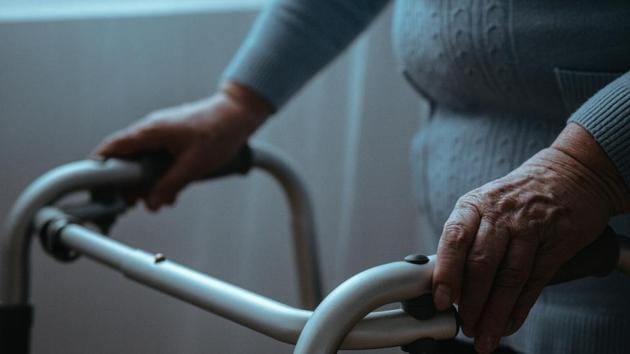
Stroke is the second leading cause of death, accounting for 11 percent of deaths worldwide. Survival is especially poor for people who have had a severe total anterior circulation stroke with loss of motor control, language and other conditions. The study of 219 patients in central Scotland with severe stroke - total anterior circulation stroke - looked at the experiences, concerns and priorities of patients, families and healthcare professionals in the 12 months after stroke. In the first 6 months, 57 percent (125 people) died, with the one-year fatality of 60 percent (132 deaths). About two-thirds (67 percent) of deaths occurred within the first month after stroke.
Researchers found that patients and their families reported grief over the loss of their previous life, anxiety among caregivers over whether they were “doing the right thing”, uncertainty about the future and confusion about prognosis. As well, the term ‘palliative care’ was interpreted negatively by many health care providers, families and informal caregivers, as it is associated with care for people, for example, patients with advanced cancer, who are dying.
“Many patients and informal caregivers would have welcomed more support in making decisions and in planning for the future from day one,” wrote Murray with coauthors. “The focus was on active rehabilitation, recovery, motivation and hope, with much less discussion and preparation for limited recovery”, they continued. The authors suggested that the principles of palliative care rather than the term itself should be applied to the stroke patients, which means supporting people to live well with deteriorating health and making them comfortable until their eventual death. The findings are published in Canadian Medical Association Journal.
{{/usCountry}}“Many patients and informal caregivers would have welcomed more support in making decisions and in planning for the future from day one,” wrote Murray with coauthors. “The focus was on active rehabilitation, recovery, motivation and hope, with much less discussion and preparation for limited recovery”, they continued. The authors suggested that the principles of palliative care rather than the term itself should be applied to the stroke patients, which means supporting people to live well with deteriorating health and making them comfortable until their eventual death. The findings are published in Canadian Medical Association Journal.
{{/usCountry}}Follow @htlifeandstyle for more
Catch your daily dose of Fashion, Taylor Swift, Health, Festivals, Travel, Relationship, Recipe and all the other Latest Lifestyle News on Hindustan Times Website and APPs.
Catch your daily dose of Fashion, Taylor Swift, Health, Festivals, Travel, Relationship, Recipe and all the other Latest Lifestyle News on Hindustan Times Website and APPs.