Blood stored longer may be less safe for patients with massive blood loss and shock as it may have adverse effects, according to scientists, including one of Indian origin. For severely injured patients who have massive bleeding and receive many transfusion units, older blood was associated with dysfunction in blood flow, increased injury and inflammation in critical end organs, and lung infection.
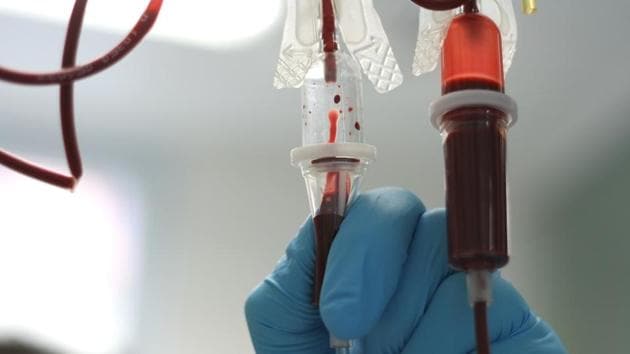
The researchers have found mechanistic links between older stored red blood cell transfusions and subsequent bacterial pneumonia. The key player is free heme, a breakdown product from degraded red blood cells. Heme is part of the oxygen-binding hemoglobin pigment that gives blood cells their red colour and carries oxygen through the body from the lungs. While in the red blood cell, heme is relatively safe; but once outside the confines of the red cells, free heme is toxic and can cause tissue injury. During storage and upon transfusion, stored red blood cells lyse open, releasing free heme.
“An adverse role for heme suggests that finding ways to limit heme exposure or prevent heme toxicity may improve safety of stored red blood cell transfusions,” said Rakesh Patel from the University of Alabama at Birmingham in the US. For the study, published in the journal PLOS Medicine, mice were resuscitated after trauma and hemorrhage, using either fresh or two-week-old stored blood. Two days later, they were challenged by instilling the lungs with the bacteria Pseudomonas aeruginosa. A two-week storage of mouse blood approximates storage of human red blood cells for 42 days.
Compared to fresh blood, resuscitation with the stored blood significantly increased bacterial lung injury, as shown by higher mortality, and increases in fluid accumulation and bacterial numbers in the lungs. Free heme, which is known to induce inflammatory injury to major organs in diseases like sickle cell or sepsis, acts, in part, by activating the toll-like receptor 4. The researchers also found that transfusion with stored blood induced release of the inflammation mediator HMGB1, part of the body’s immune response.
{{/usCountry}}Compared to fresh blood, resuscitation with the stored blood significantly increased bacterial lung injury, as shown by higher mortality, and increases in fluid accumulation and bacterial numbers in the lungs. Free heme, which is known to induce inflammatory injury to major organs in diseases like sickle cell or sepsis, acts, in part, by activating the toll-like receptor 4. The researchers also found that transfusion with stored blood induced release of the inflammation mediator HMGB1, part of the body’s immune response.
{{/usCountry}}Follow @htlifeandstyle for more
Catch your daily dose of Fashion, Taylor Swift, Health, Festivals, Travel, Relationship, Recipe and all the other Latest Lifestyle News on Hindustan Times Website and APPs.
Catch your daily dose of Fashion, Taylor Swift, Health, Festivals, Travel, Relationship, Recipe and all the other Latest Lifestyle News on Hindustan Times Website and APPs.