
 E-Paper



What's riding on SpaceX Starship test-flight: Nasa's Artemis, direct-to-mobile Starlink and a $15 billion bet
SpaceX's mega-rocket carries the first real Starlink payload, and the weight of Nasa's 2028 moon-landing timeline

 Prefer HTon Google


SpaceX is set to attempt the 13th test flight of its Starship rocket on Friday from its Starbase facility in south Texas, with the launch window opening at 5.45pm local time (04.15am IST Saturday) — after two setbacks in a week that pushed back what should have been a milestone for the company.
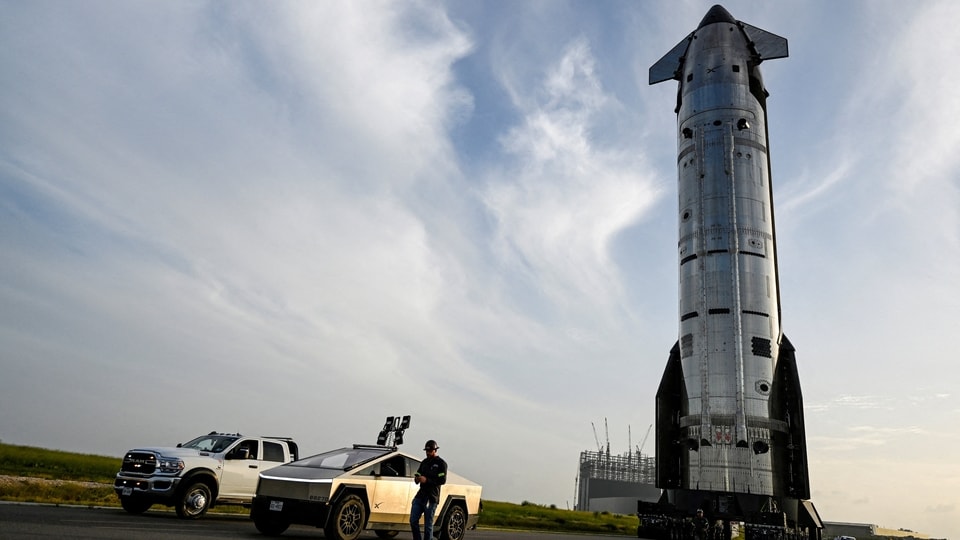
Thursday’s attempt was scrubbed and moved by a day because of unfavourable weather. That in turn followed a last-second abort on July 16, when the automatic launch system halted the countdown seconds before liftoff after some of the 33 Raptor engines on the Super Heavy booster failed to fire. On-screen data from the SpaceX webcast showed four engines had not ignited. Two engines were to be swapped out, with SpaceX chief executive Elon Musk writing on X that the replacements were being made “to be confident of a good flight”.
World's biggest rocket and its $15-billion price tag
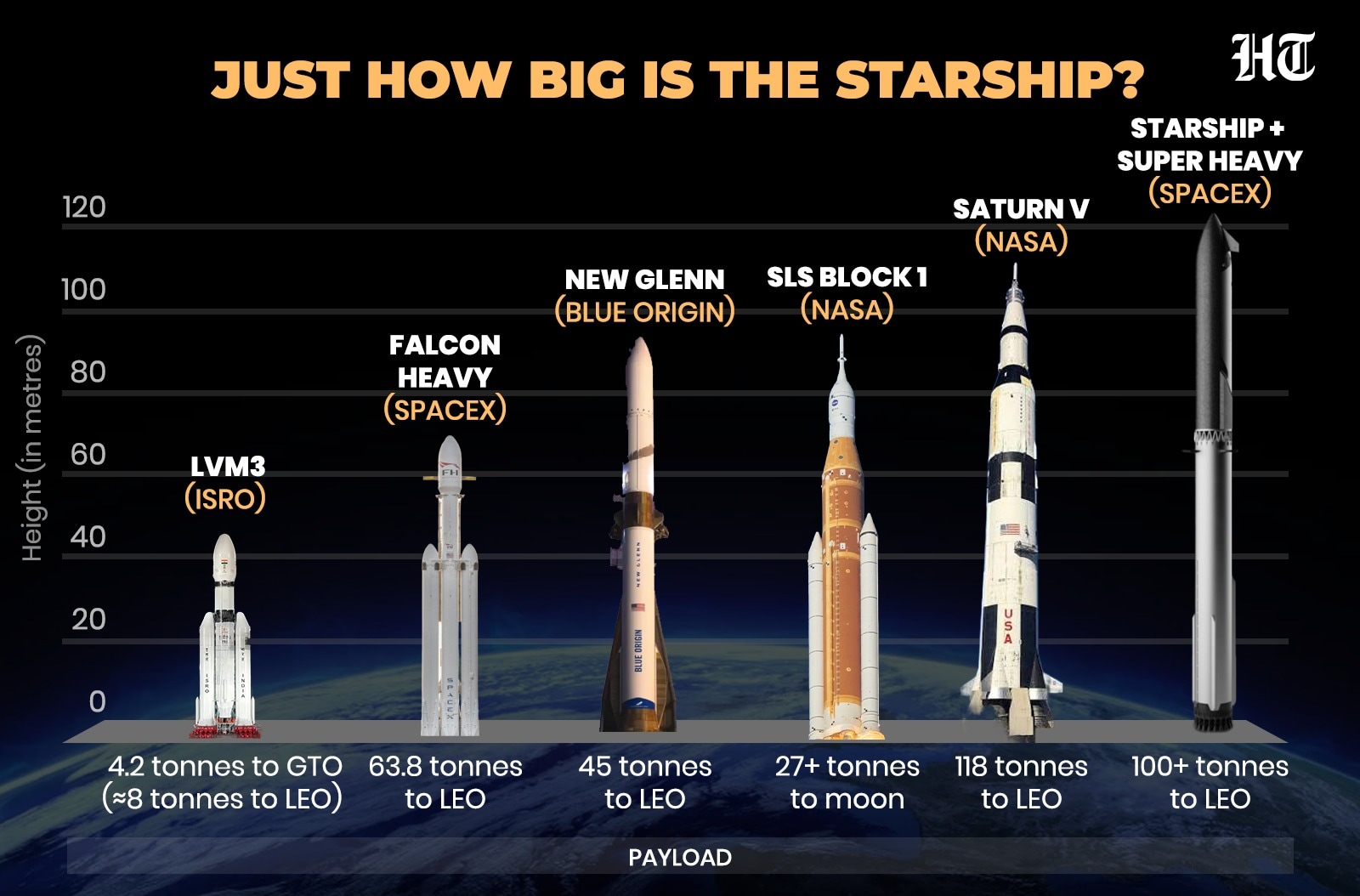
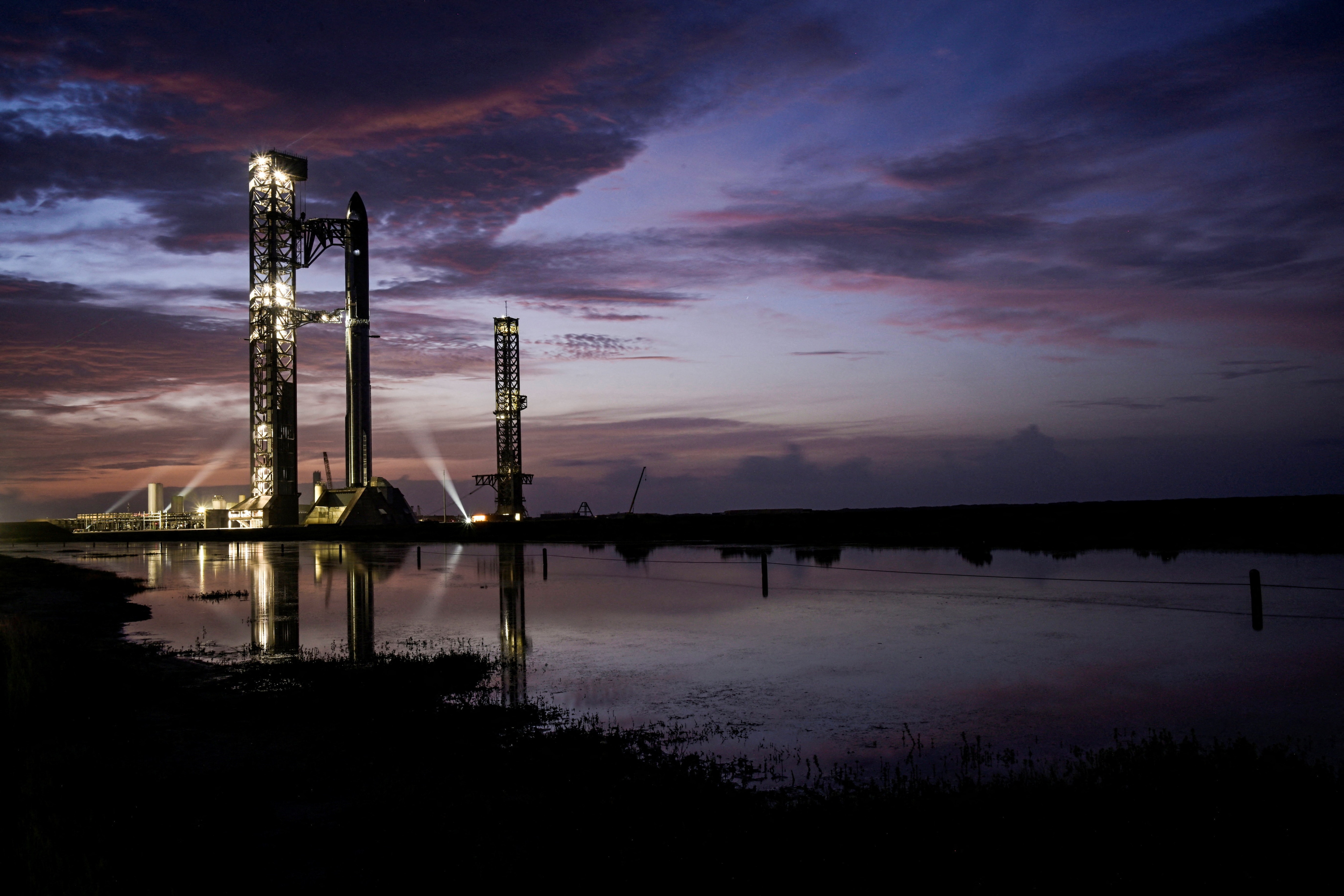
Standing 124 metres (407 feet) tall, and powered by 33 first-stage engines, Starship is the largest and most powerful launch vehicle ever built. It is almost twice the height of SpaceX’s workhorse Falcon 9 and, at 100 tonnes of designed payload to orbit, has more than four times the Falcon 9’s lift capacity, Bloomberg reported.
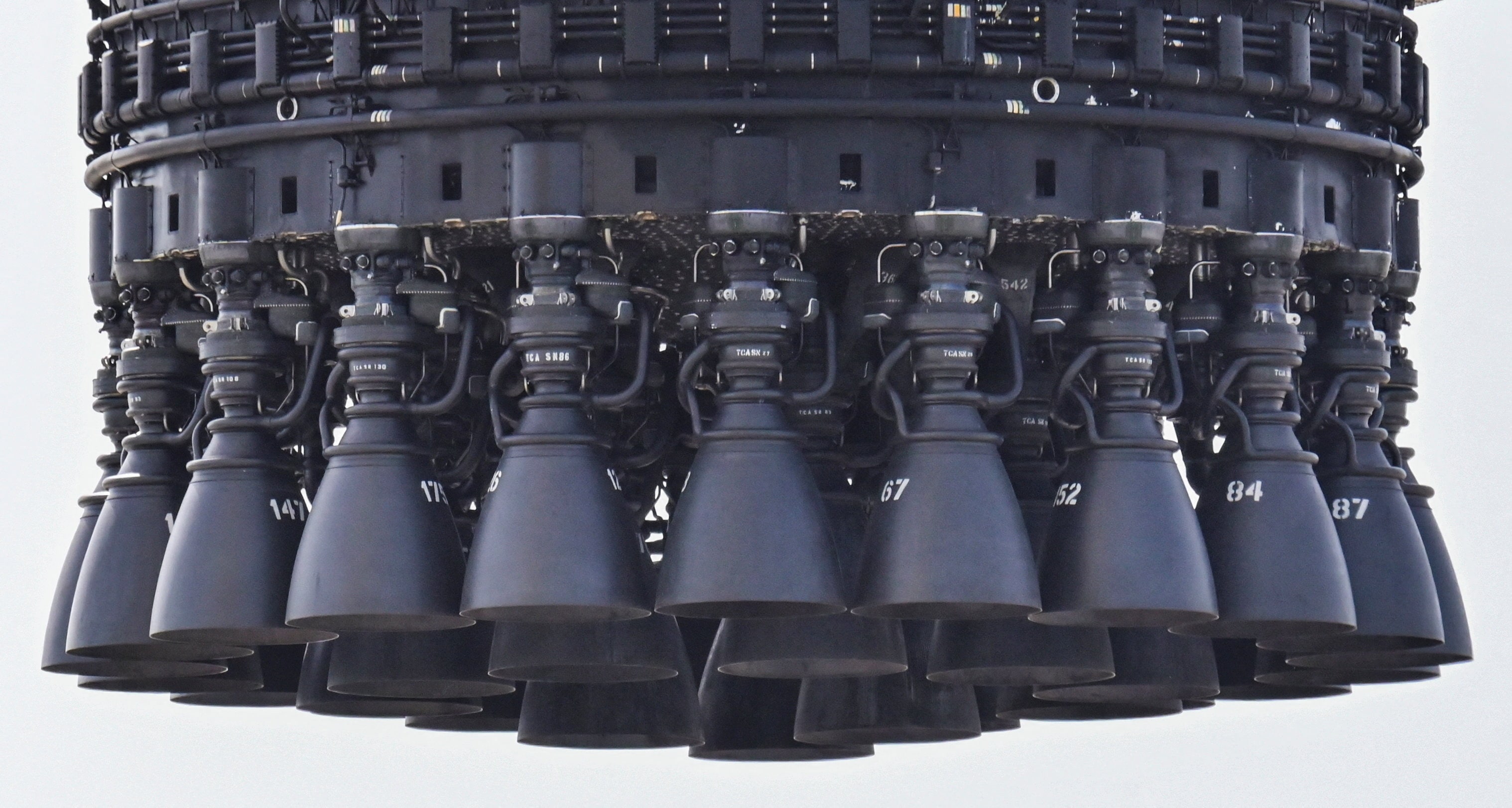
The stack is made up of a Super Heavy booster fitted with 33 Raptor engines and a second-stage spacecraft carrying six more Raptors. Each Raptor produces roughly three times the thrust of a Merlin, the engine that powers the Falcon 9. What sets Starship apart from every other heavy-lift rocket, however, is that it has been designed to be fully reusable — with both the booster and the upper-stage spacecraft intended to return to Earth intact after every flight.
No other rocket maker has achieved that; SpaceX too is still testing it out.
SpaceX has spent more than $15 billion developing Starship, disclosures made ahead of its June initial public offering show. Capital expenditure on the company's space unit — largely the Starship programme — rose nearly 90% last year to $3.8 billion, and jumped a further 40% in the first quarter of 2026 to $1.05 billion, according to figures cited by Bloomberg.
SpaceX’s IPO, in June, raised a record $86 billion.
What SpaceX was testing
The mission profile largely mirrors that of the previous test on May 22 — a flight that succeeded in most of its objectives but reported some glitches. In that outing, the Super Heavy booster was thrown into an unexpected orientation by the upper-stage separation manoeuvre, sustained heat damage, and eventually plunged at high speed into the Gulf of Mexico after five of its 33 engines failed to reignite for the descent burn.
The US Federal Aviation Administration, which closed its review of the flight on July 13, also blamed “erroneous engine alarm system settings” for the failure. One engine on the upper stage did not fire during that flight either.
SpaceX has since made several hardware and software changes and identified four corrective actions for the booster return, the FAA said.
For Flight 13, SpaceX has laid out four principal test objectives:
- Booster return. After separating from the upper stage, the Super Heavy will attempt a controlled offshore water landing in the Gulf of Mexico.
- First real satellite deployment. Starship’s upper stage is to release 20 Starlink V3 satellites — the first time actual satellites will be dispensed from Starship after earlier tests with dummy payloads. Some of the satellites carry sensors intended to observe Starship's heat shield during re-entry, and all will attempt to link into Starlink’s laser communications network.
- Engine relight in space. SpaceX will attempt to relight one Raptor engine while in space, a manoeuvre required for future missions.
- Upgraded heat shield. New materials and design changes on the tiles that protect the upper stage during atmospheric re-entry will be tested.
Roughly an hour after liftoff, Starship is scheduled to splash down in the Indian Ocean. Neither the booster nor the upper stage is meant to be recovered on this flight, and the 20 Starlink satellites — following Starship’s suborbital trajectory — are expected to burn up in the atmosphere about 20 minutes after deployment.
Also read: SpaceX Falcon lands on legs, China's on a net — how will Isro's reusable rocket come home?
Twelve flights in
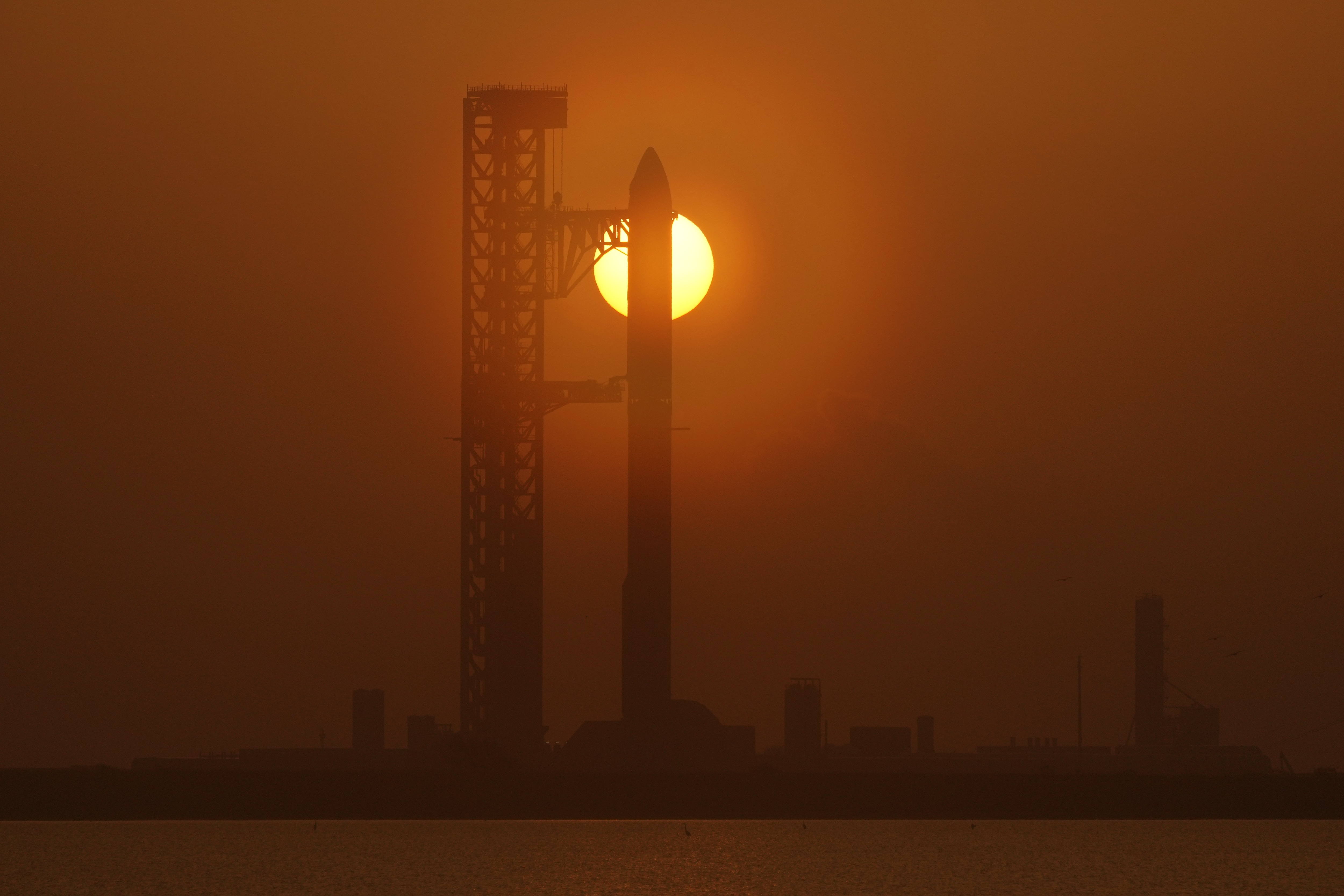
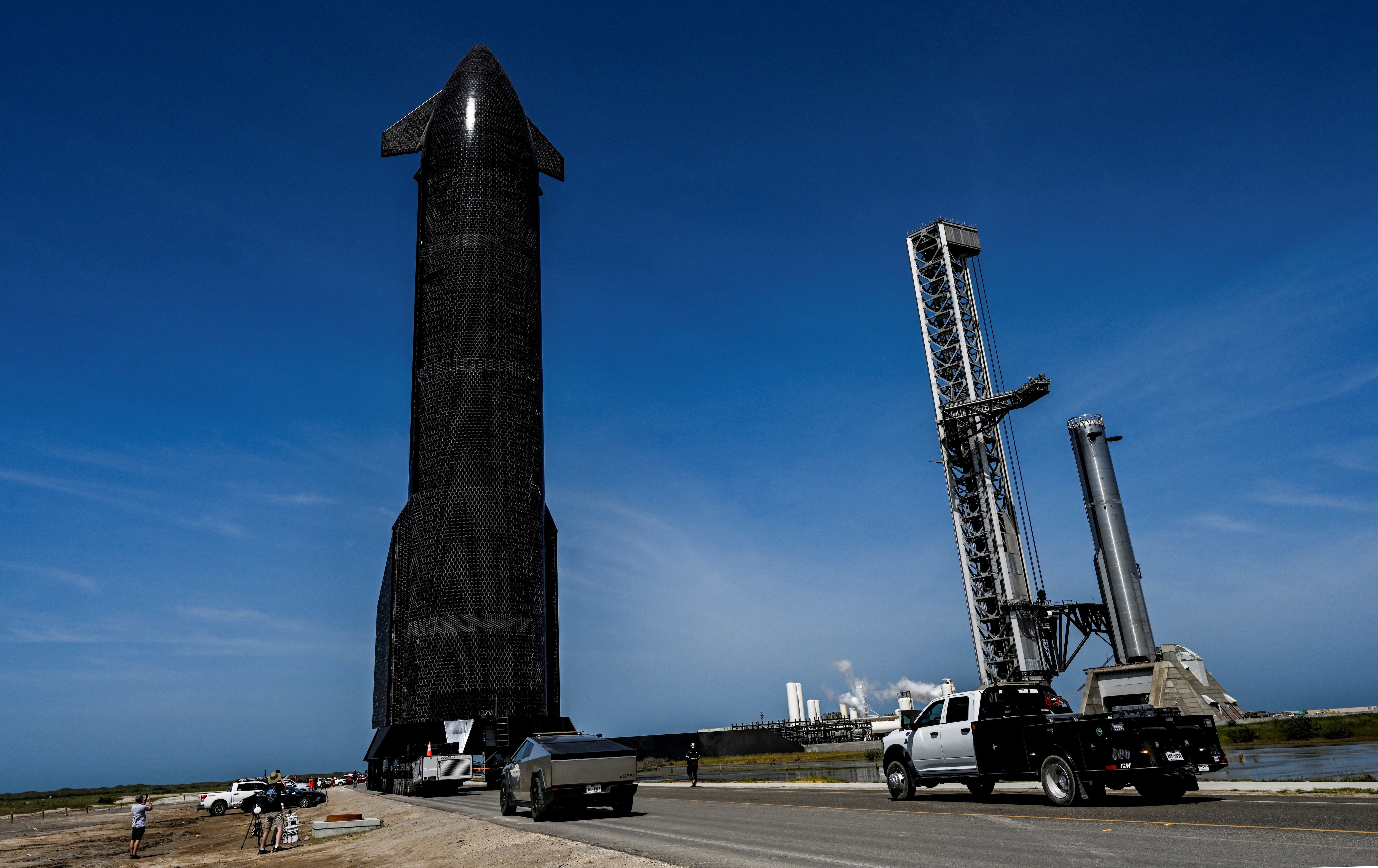
Starship has flown 12 times since April 2023. Several of those missions ended in explosive failure — what SpaceX engineers describe as “rapid unscheduled disassembly” — as part of a testing culture that favours frequent flights, real-world failure and rapid iteration. But the rocket has yet to complete a full orbital mission.
That gap is significant. SpaceX has told investors it aims to launch its first Starlink V3 satellites to orbit aboard Starship by the end of 2026, followed by routine flights, according to Reuters’ reading of the company’s prospectus. The first Starship launch from Florida is also expected before the end of the year, SpaceX engineer Kate Tice said on the company’s live stream ahead of the aborted July 16 attempt.
Two central pillars of SpaceX’s growth objectives rest on Starship becoming operational: expanding Starlink to deliver satellite internet directly to mobile phones, and eventually placing artificial intelligence data centres in orbit. In its filings, SpaceX said its goal is “to transform the rocket launch industry into airline-like operations”.
Why Nasa is watching
Beyond SpaceX’s own commercial ambitions, the US space agency Nasa has a substantial stake in Starship’s success. It has awarded SpaceX contracts worth about $4 billion to develop a modified Starship as the lunar landing system for the Artemis programme, with the vehicle expected to put astronauts back on the moon as soon as 2028.
For that to happen, SpaceX must demonstrate several capabilities Starship has not yet shown in flight: refuelling in orbit, launching the vehicle a dozen or more times in quick succession, and certifying it as safe to carry humans. It also has yet to complete a single full orbital mission.
The timelines are tight. Nasa needs both the Starship-based lunar lander and Blue Origin’s rival Blue Moon vehicle to be ready by next year, so that the Artemis III crew can practice docking their capsule with a lander in low Earth orbit. Artemis IV, targeted for no earlier than 2028, would use one of the two landers to put two astronauts on the moon's south polar region — the first crewed lunar surface mission since 1972.
If Starship reaches its designed price point, the economics of spaceflight change dramatically. Citing Nasa data in its own filings, SpaceX has said the historical average cost of putting a kilogram of payload into orbit was $18,500. The first version of Falcon 9, in 2010, brought that down to $2,700. Starship, the company says, could cut the historical average by 99% — to roughly $185 a kilogram.
Whether it does, and how soon, will depend on flights like Friday’s going well. In a video posted before the May test, Justin Styer, SpaceX's senior director of Starship Launch, put it starkly: “Critical path to Mars is not blowing up rockets.”


