
 E-Paper



Madhav Gadgil: The champion of ecology and biodiversity
Authored by:- Annapurna Vancheeswaran, former MD, The Nature Conservancy (TNC) India, and former senior director, The Energy and Resources Institute (TERI).

 Prefer HTon Google


The messiah of Western Ghats, Madhav Dhananjeya Gadgil, moves on leaving a huge impact on public policy, particularly when it concerns biodiversity hotspots within India. For his unflinching conviction and undeterred belief that the entire Western Ghats needs protection as it is ecologically sensitive, Gadgil was awarded the 2024 Champions of the Earth (Life Time Achievement) award, the highest environmental honour bestowed by the United Nations. Since 2005, UNEP honours individuals and organisations working on innovative and sustainable solutions to address the climate crisis, nature and biodiversity loss, and pollution and waste and seeks out champions whose actions and thinking are transformative leading to political change and equality and justice to all.
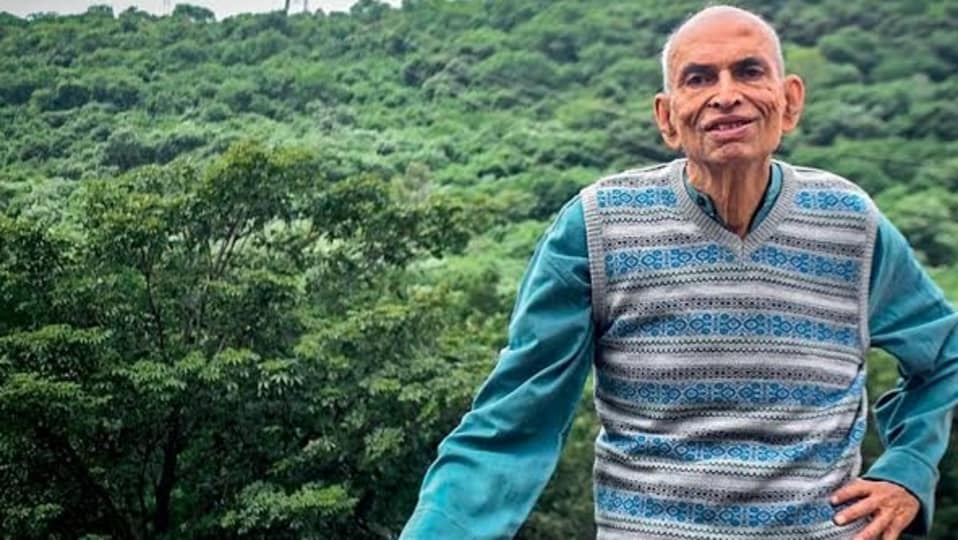
Gadgil’s crusade for the protection of the Western Ghats was unwavering despite widespread oppositions to the WGEEP (Western Ghats Ecological Expert Panel) recommendations of 2011. Though his recommendations remain largely unimplemented, they helped substantially to shape India’s environmental discourse. Given Gadgil’s associations and affiliations with international universities and institutions such as Harvard, Stanford and many more, this seminal report also stirred global conservation efforts.
Further, his early research in the 1980s greatly helped in the identification of the Nilgiri as the first biosphere reserve in India spanning Tamil Nadu. Kerala and Karnataka. This paved way for the labelling of 17 more biospheres in India of which 13 have been included in the World Network of Biosphere Reserves based on the UNESCO Man and Biosphere (MAB) programme list.
Widely respected as a leading Indian ecologist and conservation scientist, Gadgil was instrumental in the drafting of the Biological Diversity Act, 2002, wherein for the first time the concept of People's Biodiversity Registers was introduced that permitted local self-governing bodies to both document and protect their biological resources and traditional knowledge. While the documentation serves as legal and scientific records, it strengthens community participation in conservation.
Madhav Gadgil and the WGEEP in 2014 received the Georgescu-Roegen Award in the Bioeconomic Practice Category, recognising the unconventional thinking and practice in addressing economic, ecological and social systems at the Delhi Sustainable Development Summit (now the World Sustainable Development Summit) held since 2001 annually by the think-tank The Energy and Resources Institute (TERI). This was when by happenstance I was sitting beside him in the speakers lounge just minutes before the award ceremony and enquired how he felt about the WGEEP recommendations being stalled after so much work. He smiled and replied “Dissent is a right in our Constitution”. But his belief and passion in his work was unshakable and visible when he walked up the stage to receive the award.
Madhav Gadgil is no more but he leaves behind his legacy of work which will continue to have a deep and lasting influence in the country on both biodiversity policy and ecological research. He helped establish institutions like the National Biodiversity Authority (NBA), State Biodiversity Boards (SBBs) and the Biodiversity Management Committees. His hallmark in community-based conservation models and interdisciplinary ecological research have had global influence.
Having received numerous awards and accolades and being a prolific writer from a young age, Gadgil was unstoppable. In the book Diversity – The Corner Stone, there is a telling statement from Bittu Sahgal, Editor NCSTC-Hornbill Natural History series “partnership between naturalists and earth-people is destined to play a vital role in defending wild India. The author, Dr. Madhav Gadgil is an ideal link between ‘ecosystem people’ and the ‘establishment’. He writes with knowledge and sensitivity about our dependence on natural ecosystems and the great need to restore our lost diversity.” Aptly put this seems to sum up much of Gadgil’s work. Often referred in informal circles as the biodiversity man, Gadgil changed the way how we think about protecting biodiversity. Madhav Gadgil legacy will live on to influence generations to come.
This article is authored by Annapurna Vancheeswaran, former MD, The Nature Conservancy (TNC) India, and former senior director, The Energy and Resources Institute (TERI).


