India is moving into an older future faster than it realises. What was once a peripheral concern of gerontologists is becoming a defining social question: how to live well in a country where the young are no longer endless and old age is stretching longer than ever. But while ageing will touch everyone, it is already a distinctly female story. Women outlive men, yet they do so with fewer savings, weaker pensions, and far less social security.
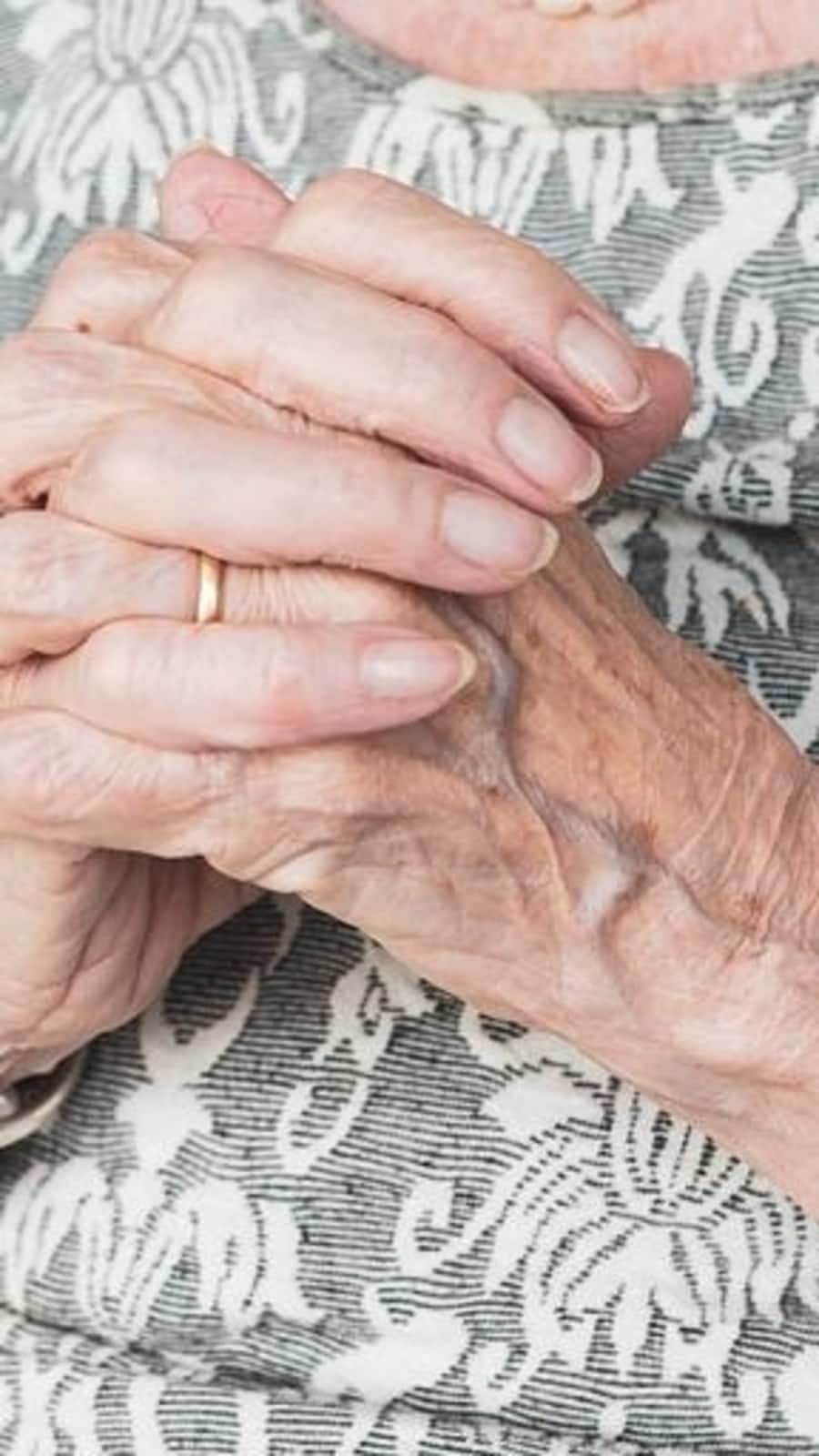
Decades of uneven opportunity, lower wages, interrupted careers, unpaid care work, and fragile property rights, leave many women entering later life with little cushion. Widowhood, still steeped in stigma and economic loss, only deepens the gap. Family structures that once absorbed risk are shrinking as children move away and households atomise. The result is a silent, gendered crisis of financial precarity, social isolation and poor health among older women, one that India’s policies need to acknowledge.
On this International Day of Older Persons, it is worth recognising that longevity is not neutral. Behind the rising headline numbers of an ageing India lies a starker reality: among the very old, women will overwhelmingly dominate, many widowed, many dependent, many unseen. This is the feminisation of ageing: A demographic inevitability colliding with a lifetime of gender inequity. Unless policy catches up, growing old as a woman in India will mean living longer but living poorer, sicker and more alone.
By 2050, people aged 60 and over may make up a fifth of India’s population, according to UNFPA projections. Among those aged 80 and above, women will form the overwhelming majority. Nothing shows this more clearly than widowhood. More than half of Indian women over 60 have lost a spouse, compared with about one in six men. By 80, nearly nine in ten women are widows. The event is rarely just personal grief; since it often severs income, weakens claims to property and inheritance, and isolates women to the social margins. Stigma lingers, and with it a sharp loss of status and support. Studies find that older widows report far less sociability, trust and solidarity than their married peers, declines that feed both mental and physical vulnerability.
{{/usCountry}}By 2050, people aged 60 and over may make up a fifth of India’s population, according to UNFPA projections. Among those aged 80 and above, women will form the overwhelming majority. Nothing shows this more clearly than widowhood. More than half of Indian women over 60 have lost a spouse, compared with about one in six men. By 80, nearly nine in ten women are widows. The event is rarely just personal grief; since it often severs income, weakens claims to property and inheritance, and isolates women to the social margins. Stigma lingers, and with it a sharp loss of status and support. Studies find that older widows report far less sociability, trust and solidarity than their married peers, declines that feed both mental and physical vulnerability.
{{/usCountry}}Even before widowhood, women enter later life with structural disadvantages. They spend fewer years in paid work, earn less when they do, interrupt careers for caregiving and often lack financial literacy or control over savings. The result is thin assets and meagre retirement cushions.
According to the Strategic Policy Research Foundation, only about one in ten rural women and just over one in ten urban women over 60 reports being economically independent, which is a stark contrast to the far higher rates among older men. When widowhood arrives, many lose claims to housing, property or inheritance, particularly where patriarchal norms persist. Longer life, in this context, often means more years spent financially dependent and vulnerable.
As families shrink and children move away, more older women are living alone. Today only about 5–6% of India’s elderly live entirely by themselves, but the share is rising, and because women outlive men, they make up most of those solitary households. Isolation is not merely lonely; it is dangerous. Delayed diagnosis, lack of immediate help, mobility problems and postponed care-seeking all worsen illness and mortality. In a society where women have long received less medical attention and fewer resources, these risks multiply. Many reach old age with untreated conditions, fragile bones, chronic disease and little capacity to cope. Longevity, for too many, is paired with invisibility.
India’s safety net for older women is thin and fragmented. Social pensions under schemes such as the National Social Assistance Programme (NSAP) and widow pensions exist, but they are small, strictly means-tested and often poorly administered. They are corrections offered late in life, not protection built across it. Such patchworks cannot offset decades of missed opportunity such as the low female labour participation, unequal pay, weak land and inheritance rights, and the unpaid care that keeps women out of formal work. The feminisation of ageing demands a life-course view: Policy must address how disadvantage accumulates from schooling to employment to retirement, rather than offering token support only once poverty is entrenched.
India cannot keep relying on token pensions and ad hoc support to address a problem built over a lifetime of unequal opportunity. As women age, decades of wage gaps, informal work and weak property rights compound into financial insecurity and poor health. To reverse this, ageing policy must stop treating old age as a crisis to be patched and start seeing it as the predictable outcome of a gendered life course. A serious plan for gender-just ageing would move beyond small schemes to build lasting security. It would look something like this:
- Universal baseline pensions: Guarantee a floor income for every older woman without heavy means-testing or bureaucratic hurdles, with priority for widows, single women and socially excluded groups.
- Secure asset and property rights: Enforce inheritance and joint-titling laws, protect widows from dispossession and strengthen women’s claims to housing and land.
- Contributory pensions with gender credits: Design informal-sector saving schemes that offer catch-up contributions or incentives to offset career breaks spent in unpaid care.
- Integrated health and long-term care: Provide accessible geriatric, rehabilitative and palliative services; address chronic disease, bone health, mobility and cognitive decline across the life course.
- Social connection as preventive care: Invest in day centres, neighbourhood elder clubs and “conversation partner” programmes to reduce isolation and support mental health.
- Better data and gender-sensitive monitoring: Track outcomes by sex, age, marital status and geography; fund research on the economic and social realities of older women.
- State-specific pathways: Let rapidly-ageing states such as Kerala and Tamil Nadu pilot gender-first programmes, while others build early systems to avoid repeating today’s gaps.
Ageing is not a side issue, and its gender dimension is central to how fair India will be in the decades ahead. If systems remain blind to women’s vulnerabilities, half the elderly population will face poverty, isolation and poor health. We write as two generations committed to making ageing policy not only pro-old but pro-woman. On this International Day of Older Persons, India should stop treating longevity as a neutral statistic and start designing security, care and dignity for the women who will live the longest.
This article is authored by Dr K Madan Gopal, adviser, Public Health Administration Division, National Health Systems Resource Centre (NHSRC) and Dr KS Uplabdh Gopal, associate fellow, Health Initiative, Observer Research Foundation (ORF), New Delhi.