
 E-Paper



Assessing impact of US tariffs on India’s agriculture sector
This article is authored by Ananya Raj Kakoti, scholar, international relations, Jawaharlal Nehru University, New Delhi.

 Prefer HTon Google


The US’ use of tariffs as a carrot and stick in international trade has long shaped global agricultural flows. Yet, for Indian agriculture, a sector already wrestling with structural challenges and competing policy priorities, the most recent American tariff shocks, and the ensuing shifts, have profoundly altered the landscape. This article critically explores the short- and long-term impact of US tariffs on Indian agriculture, examining sectoral effects and weighing the underlying justifications behind these controversial trade measures.
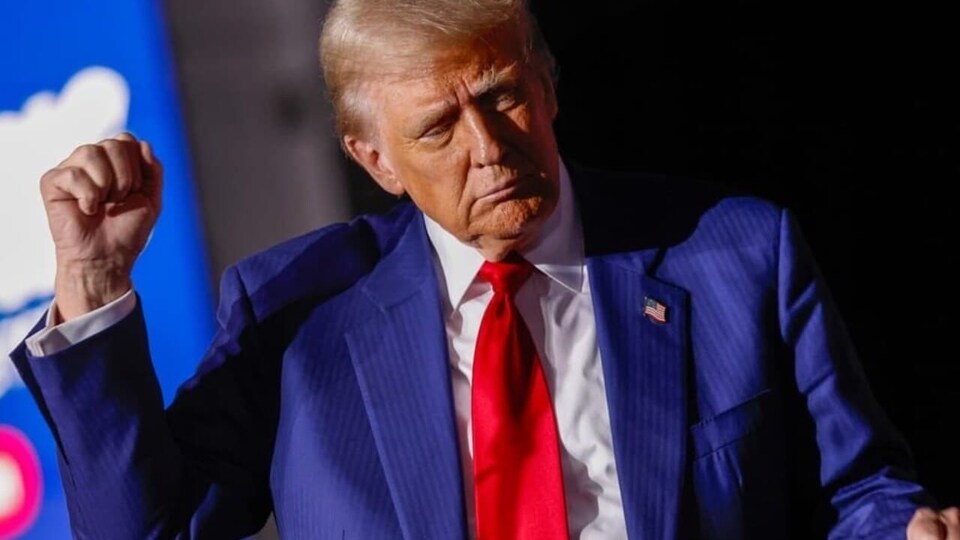
Few sectors have felt the sting of US tariffs as acutely as Indian agricultural exporters. In August 2025, the Trump administration slapped a sweeping 25% tariff on a swathe of Indian agricultural and processed food exports, targeting goods collectively worth $5.8 billion in 2024–25 alone. Dairy products and processed fruits, two areas with relatively higher profit margins, saw the hardest hit, while key export staples such as tea, spices, cashew nuts, and seafood became less attractive to American buyers due to elevated landed costs. For many smaller exporters and producer cooperatives in India, whose margins were already squeezed by global price volatility and high shipping costs, these tariffs dampened the recovery expected post-pandemic.
US imports from India had previously flourished within a tariff structure considered by Washington to be unbalanced. The US has cited India’s high average tariffs, 39% simple, 65% trade-weighted on agricultural imports, compared to the US’s 5% and 4% to justify the imposition of reciprocal tariffs. As a result, the two countries found themselves locked in a tit-for-tat spiral, threatening to erode what had been a growing agri-trade surplus for India.
In a dramatic turn this November, the US abruptly rolled back tariffs on over 200 agricultural lines, exempting Indian staples like tea, coffee, spices, and select processed foods. These exemptions, effective 13 November, were motivated partly by concerns in the US over rising consumer prices and fears of disrupted supply chains, a tacit admission that tariffs are a double-edged sword.
For India, the shift presents both immediate relief and strategic opportunity. Indian exporters, now spared the penalty tariffs on premium and value-added niches, find themselves more competitive against Latin American and Southeast Asian suppliers. Yet, expectations should be tempered: The presence of India remains marginal in the largest US agricultural imports (tomatoes, citrus, bananas, melons, and most fresh fruits). The real gains, experts argue, will accrue only if India can scale up, strengthen cold-chain infrastructure, and diversify its export basket away from traditional staples.
The impact of US tariffs, both their imposition and partial lifting, has exposed deep sectoral divides.
- Seafood, cashew, and spices: Exporters have absorbed tariff shocks by pivoting to alternative markets in East Asia and Europe, but US demand remains critical for value-added segments. The rollback on these lines brings relief and could revive stalled shipments.
- Dairy, fruit, and processed foods: Margins on these products remain threatened, especially as tariff clarity is still pending for some segments. Without comprehensive exclusion, trade in these categories risks stagnation.
- Smallholder farmers and cooperatives: These groups bear the brunt of trade uncertainty. Tariffs have forced a rethink, with some shifting crop patterns or seeking markets with fewer entry barriers. However, adaptation costs can be significant for those lacking capital buffers.
American officials defend the tariffs as a necessary corrective to long-standing Indian protectionism, noting India’s average agricultural tariffs often exceed 100% on certain US goods, making market entry “virtually impossible” for many American farmers. Tariff hawks in Washington argue that only stringent reciprocal measures can break such “unfair” barriers and force market opening by New Delhi.
India’s perspective is more nuanced. Policymakers contend that tariff barriers are essential to protect millions of vulnerable rural households from global price shocks and volatile world markets. Unlike their US counterparts, Indian farmers operate at a smaller scale, with minimal state insurance or safety nets. Liberalisation without safeguards, Indian negotiators argue, would unleash a tide of imports, devastating local production and rural livelihoods.
Both rationales hold water, India’s food security and rural stability are political imperatives, as is the US demand for “fair” two-way trade. The deadlock reflects competing visions of what level playing field actually means: one prioritises development, the other market access.
The November rollback by the US is noteworthy not only for its economic but also for its diplomatic implications. Indian trade officials describe it as a “level playing field” moment, one that could grease the wheels for broader trade negotiations and potentially a new bilateral trade agreement. However, the limited scope of the exemptions means that only select sectors will benefit; broader change will require more ambitious undertakings on both sides.
The shift also comes with strings attached. The US expects India to reciprocate, by easing tariffs on American agri-products over time and addressing non-tariff barriers. Unless India transitions from high tariff protection to productivity-based competitiveness, its export growth will remain at the mercy of global policy swings.
Ultimately, the “shock and shift” brought by US tariffs is a wake-up call for Indian agriculture. To mitigate exposure, experts recommend a multipronged approach:
- Phased tariff reforms: Gradually reduce tariffs on select outlier commodities, especially where India holds a competitive edge.
- R&D and value chain modernisation: Invest in agricultural innovation, yield improvement, and advanced food processing to boost export readiness.
- Export diversification: Seek new markets in Africa, East Asia, and regional blocs while exploring bilateral deals beyond the US orbit.
The US experience also demonstrates that tariffs are a blunt tool, capable of inflicting pain all round, often inviting retaliatory action, rarely delivering simple gains. For India, the lesson is both cautionary and catalytic: protectionism offers only short-term sanctuary, while long-term resilience demands competitiveness, adaptability, and global engagement.
The US tariff saga has jolted Indian agriculture, but it has also inaugurated a necessary reckoning. Market access, sectoral strategy, and international competitiveness are now at the centre of policy debate. For Indian agriculture to thrive in the era of weaponised trade, the focus must shift from defending the status quo to embracing structural transformation, backed by intelligent reform, investment, and a willingness to engage with the world on new, more equitable terms.
This article is authored by Ananya Raj Kakoti, scholar, international relations, Jawaharlal Nehru University, New Delhi.


