
 E-Paper



Cooperative climate initiatives ten years after the Paris agreement
This paper is authored by Mohana Bharathi Manimaran, Sumit Prasad and Aanvi Sharma, CEEW.

 Prefer HTon Google


The 30th Conference of Parties (COP30) in Belém, Brazil, signals a critical inflexion point in global climate diplomacy. Marking the 10th year of the adoption of the Paris Agreement, it is the first COP to be convened after a full turn of the Paris Agreement’s ambition cycle.
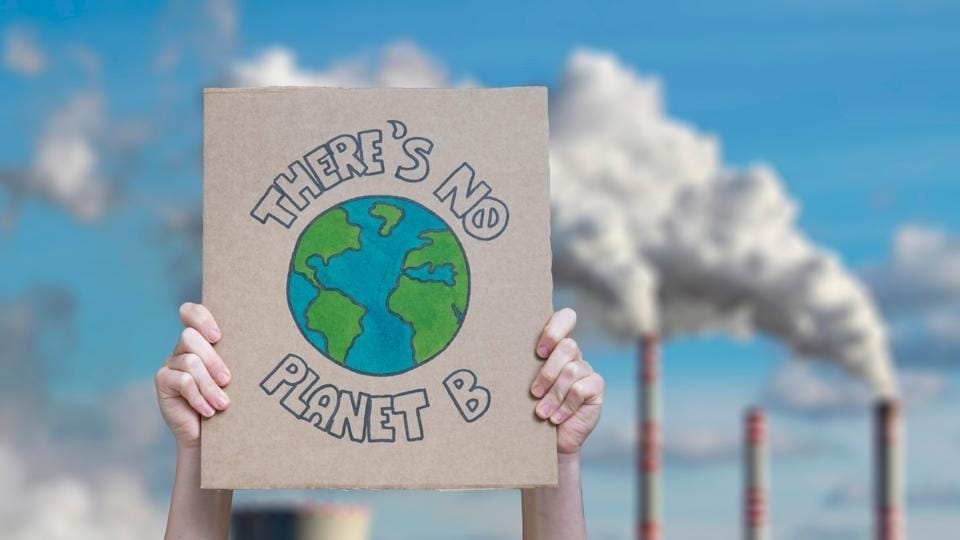
Over this last decade, cooperative climate initiatives have consolidated into a prominent feature at COPs, alongside the formal negotiations on states’ commitments in the form of Nationally Determined Contributions (NDCs) and other COP processes. Between 2015 and 2025, more than 475 such initiatives were launched, engaging over 40,000 businesses, investors, local governments, and multilateral organisations (de Moraes 2025). These initiative-related announcements during COPs often overshadow formal negotiation outcomes, gain tremendous traction, and are increasingly viewed as a major pillar of global efforts to address the challenges of climate change.
Despite the third updated iteration of NDCs1 by countries, and the surge in cooperative initiatives, the current interventions have put the world on course for a temperature increase of 2.6–3.1°C over the course of this century (UNEP 2024). Clearly, the urgency for effective collaborative action has never been greater. Mechanisms like the Global Stocktake, alongside Biennial Transparency Reports (BTR) and the BTR review processes, are attempting to ensure monitoring and progress-tracking of commitments made directly under the Paris Agreement, and listed on the COP agenda, to varying degrees of success. However, any comprehensive progress-tracking of the parallel cooperative initiatives and pledges made by countries and various other actors at the COPs is yet to emerge. While some initial attempts towards this have offered useful insights, these efforts have been limited in their scope, covering specific actors focused on mitigation, without offering overarching insights that could inform the future structuring of climate initiatives.
This issue brief systematically unpacks the landscape of cooperative climate initiatives, and sheds light on the trends, coalitions, structural elements, and factors affecting their progress over the past decade, i.e., since the adoption of the Paris Agreement at COP21 in 2015, to COP29 at Baku in 2024. The brief examines 203 of the 475+ such initiatives with national governments as key actors, including in leadership.
This paper can be accessed here.
This paper is authored by Mohana Bharathi Manimaran, Sumit Prasad and Aanvi Sharma, CEEW.


