
 E-Paper



Geopolitical implications of the Houthi threat
This article is authored by Surya Prakash Noutiyal, doctoral candidate, West Asian Studies, Jawaharlal Nehru University, New Delhi.

 Prefer HTon Google


On July 23, Saudi Arabia confirmed that two of its oil tankers were attacked by the Houthis militia group in the Red Sea using ballistic missiles and drones. The attack has led to the crude oil price surging to $100 per barrel, a nearly two-month high, following the latest US-Iran war escalation. The Houthis have earlier disrupted the trade flow from the Red Sea during the Israel-Gaza War and effectively turned the Bab al-Mandab chokepoint into an area denial zone. The Houthis are a militant group in Yemen that enjoys financial and military support from Iran. The occasional involvement of the Houthis militia group to support Iran during the war period remains a vital part of the Iranian axis of resistance. It never resolved to stay out of the war in West Asia. The Houthis delayed entry reflected a calculated decision made in coordination with Tehran.
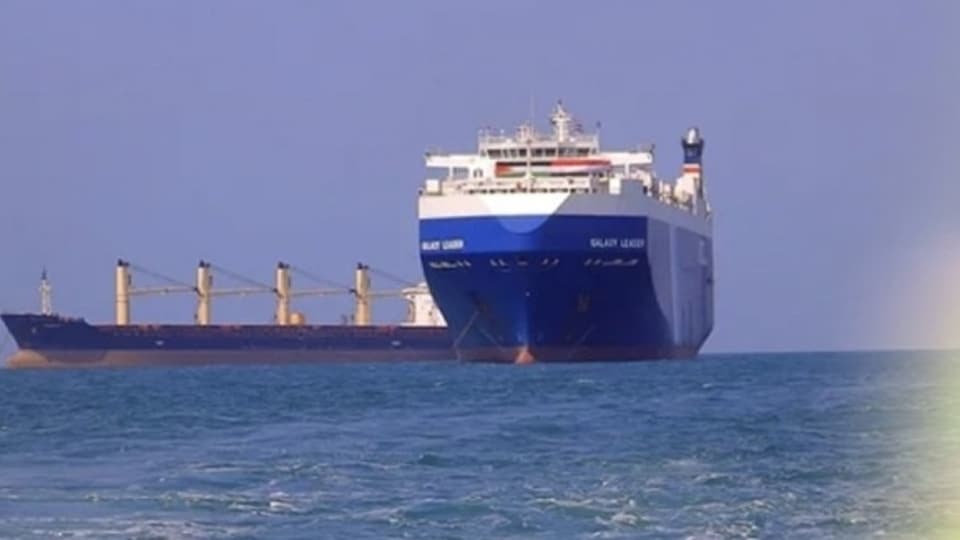
After the US-Iran memorandum of understanding failed to open the Strait of Hormuz, both rivals have targeted strikes against each other’s assets in the region. Iran has also asked the Houthis to prepare to disrupt the oil route through the Bab al-Mandab if the US targets its bridges and power plants. The Houthis have renewed attacks in the Red Sea and the Bab al-Mandeb Strait, which has opened a new front of a war that has hurt the global economy, sending prices for fuel and other goods surging across the world. The Houthis have warned shipping companies against loading and unloading cargo at any Saudi Arabian ports and threatened that vessels failing to comply could be targeted.
The recent rift between Saudi Arabia and the Houthis emerged after the Yemeni government struck Sanaa airport to block Iranian aircraft from landing. The Houthis retaliated by firing missiles at Abha airport in southern Saudi Arabia and vowed to impose a maritime blockade against Saudi Arabia. Saudi Arabia is currently exporting approximately four million barrels of oil per day from the Red Sea port of Yanbu.
The Red Sea is the link between Europe, Africa and Asia. The northern part of the Red Sea is connected to the Mediterranean Sea via the Suez Canal, and the southern part is connected to the Gulf of Aden via the Bab al-Mandab. This trade route handles around 12-15% of global trade volume, including crude oil, natural gas, and food grains. The disruption of these waterways has once again highlighted the vulnerability of global supply chain.
The Houthis' geographical advantage comes from controlling most of the Eastern Yemeni shoreline, running from the Saudi border in the north to the Mocha area in the south, which is roughly 60 miles away from Bab al-Mandab. More importantly, the militia group possesses missiles and drone capabilities to blockade the Bab al-Mandab. It is interesting to note that the Houthis have a bulk of anti-ship cruise missiles, anti-ship ballistic missiles and drones that are domestically developed with support from Iran. As Iran is threatened by the US, it has once again pressed its proxy to support Tehran during the war period.
The increasing Houthis’ attacks in the Red Sea have broadened the war in the region. The Gulf countries are already witnessing a sharp reduction in oil exports through the Strait of Hormuz. The disruption of crude oil and gas from Saudi Arabia's Red Sea port Yanbu will further reduce oil flows in the international market, leading to higher oil prices. The US is trying to stabilise the oil market but has not achieved much headway. To prevent further Houthis attacks, US President Donald Trump has threatened Iran and the Houthis with “major military punishment” if they attacked commercial vessels in the Red Sea.
Bal al-Mandab has become another chokepoint after the Strait of Hormuz that is under pressure from Iran and the Houthis. The closure of both waterways has increased the cost of war for the US and its allies and weakened their negotiating position against Iran. Furthermore, even if the US and Iran might sign a peace deal in future, the Houthis’ threat in the Red Sea may not disappear automatically, as it has its own domestic and strategic calculations in Yemen to consolidate its authority and secure regional recognition.
The Houthis may not be able to close the Red Sea completely. However, militia groups have proven that they can inflict severe damage to commercial ships, which has led to an increase in the global energy market and intensified the conflict in the region.
In response, the US and European Union naval operations will enforce freedom of navigation in the Red Sea and wider region. But Iran remain in a dominant position to control both waterways in West Asia. The old rivalry between Saudi Arabia and the Houthis has been exploited by Tehran in order to pressure the US to come to the negotiating table with fewer conditionalities.
The economic insecurity brought on by the Iran war has impacted the vulnerable energy-shortage region, South Asia, Southeast Asian nations, and other developing countries alike.
For India, which depends on around 88% of imported crude oil, disruptions in the Strait of Hormuz and Bab al-Mandeb have severe energy implications due to rising prices of crude oil and natural gas in international markets. India’s geographical proximity to the Gulf countries meets the energy needs of the world's third-largest energy consumer. Although India is diversifying its crude oil import sources. However, historically, Gulf oil has been better suited to Indian refinery demands. The fragile peace in West Asia can also affect India’s long-term migrant labour flows and remittances from Gulf countries. To protect India’s interests in West Asia, India has to engage with each country without taking sides with any rival faction in the region to minimise the impact of prolonged conflict.
(The views expressed are personal)
This article is authored by Surya Prakash Noutiyal, doctoral candidate, West Asian Studies, Jawaharlal Nehru University, New Delhi.


