
 E-Paper



Trump's Board of Peace and Central Asia
This article is authored by Pravesh Kumar Gupta, associate fellow (Eurasia), Vivekananda International Foundation, New Delhi.

 Prefer HTon Google


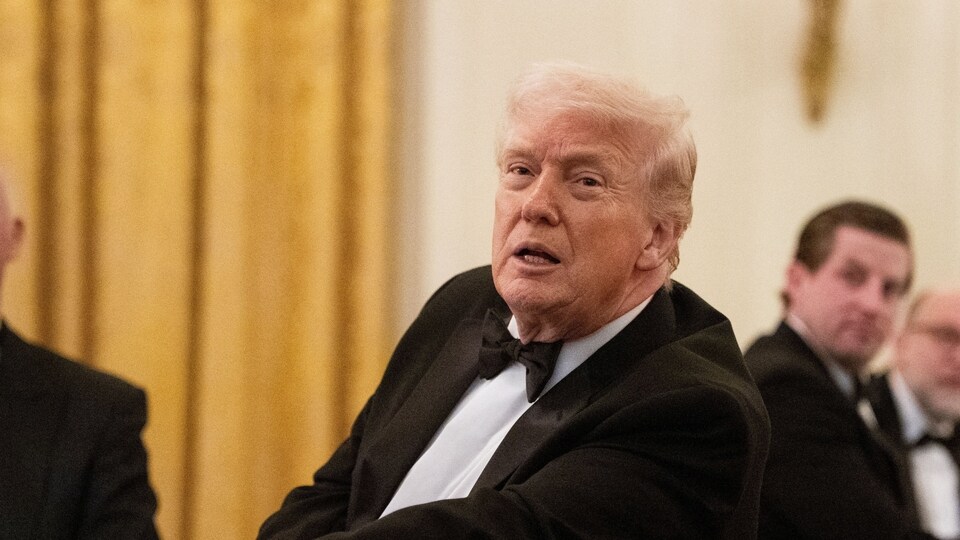
In the evolving landscape of global diplomacy, the inauguration of US President Donald Trump's Board of Peace on February 19, 2026, marks a bold, if controversial, attempt to reshape multilateral efforts around conflict resolution, particularly in West Asia. Framed as a platform for allies, predominantly Muslim-majority nations, to coordinate on Gaza's reconstruction and broader peace initiatives, the Board has drawn in unexpected participants from Central Asia, namely Kazakhstan and Uzbekistan. Kazakhstan’s President Kassym-Jomart Tokayev and President of Uzbekistan, Shavkat Mirziyoyev, have positioned themselves as founding members, pledging financial contributions and, in Kazakhstan's case, potential peacekeeping troops and medical support.
While this move signals Central Asia's ambition to punch above its weight on the world stage, a nuanced examination reveals a mix of tangible benefits and significant risks, raising questions about whether the rewards justify the strategic pivot. At its core, joining the Board offers Kazakhstan and Uzbekistan a chance to assert greater agency in a fragmented international order, where traditional bodies like the United Nations are increasingly sidelined or criticised. For these post-Soviet States, which have long navigated the influence of Russia and China, alignment with a US-led initiative provides a counterbalance. Kazakhstan, in particular, has leveraged its participation to secure high-level engagements, including Tokayev's multiple visits to Washington since late 2025 and an invitation to the 2026 G20 summit.
This not only waxes their image as responsible global actors but also opens doors to influence in West Asian affairs, a region where Central Asia has historically had limited sway. The manner of these benefits is largely symbolic yet practical, especially through voluntary pledges and summit participation. Kazakhstan's commitment to deploy peacekeepers and a field hospital positions it as a contributor to humanitarian efforts, potentially earning goodwill from Arab States and the US Uzbekistan, while less vocal on troop deployments, benefits from the association, as seen in Mirziyoyev's business-oriented meetings during the Washington trip. In a region often overshadowed by great-power rivalries, this involvement could foster greater cooperation new alliances, such as with the UAE or Saudi Arabia, which are also key donors to the Board's $7 billion Gaza relief fund.
However, the Board's effectiveness remains unproven. If it devolves into a Trump vanity project rather than a substantive forum, Central Asia's diplomatic gains could prove ephemeral. Economically, the Board's appeal lies in its potential to unlock US investments and aid, crucial for resource-rich but reform-needy economies like those in Central Asia. Kazakhstan's sideline meetings at the inaugural summit resulted in new deals with American firms, including in mining (a $1.1 billion joint venture) and healthcare infrastructure.
Uzbekistan, similarly, eyes enhanced trade ties, building on its recent courtship of Trump through transactional diplomacy. The quid pro quo is that, by contributing to the Gaza fund as part of the collective $7 billion from nine nations, including both countries, Central Asia secures access to US markets and technology, potentially offsetting sanctions-related vulnerabilities from Russia ties. Yet, this comes with caveats. Kazakhstan's pledges, while not mandatory at the $1 billion level rumoured for some members, strain a budget already grappling with inflation and energy sector turbulence. Domestic critics argue that resources funnelled to distant Gaza could better address local issues, such as poverty or infrastructure decay. Moreover, the economic upside depends on the Board's longevity. If it fizzles out amid US domestic politics or international scepticism evident in the absence of major EU powers and the Vatican's snub, the investments might not materialise, leaving Central Asia exposed.
Uzbekistan risks reputational costs if the Board is perceived as a tool to bypass UN norms, potentially deterring western investors wary of human rights concerns. Strategically, the move benefits Central Asia by diversifying partnerships in a multipolar world. Kazakhstan and Uzbekistan's involvement underscores a shift toward ‘multi-vector’ foreign policy, using the Board to hedge against overreliance on Moscow and Beijing. For instance, Tokayev's warm reception by Putin after the Washington visit suggests Russia is taking note, possibly leading to concessions in energy or security deals.
The benefit is enhanced regional coordination. Central Asian States are already discussing unified approaches to Afghanistan via separate forums, and Board membership could integrate this with broader US-backed stability efforts, though these risks could provoke backlash from neighbours. The Russia-Ukraine conflict has already heightened Central Asia's caution, and overt US alignment could invite economic retaliation, such as restrictions on pipeline or market access.
China, with its Belt and Road investments in the region, might view the Board as a competing framework that could also impact its relations with Central Asia. Furthermore, the Board's focus on Gaza diverts attention from pressing local threats, such as Taliban instability and water disputes, potentially leaving Central Asia's own security vulnerabilities unaddressed. If the initiative fails to deliver peace amid ongoing questions about Hamas disarmament and Israeli cooperation, the reputational hit could undermine these States' credibility as peacemakers.
Overall, Central Asia's entry into Trump's Board of Peace is a calculated risk that could yield diplomatic prestige, economic inflows, and strategic depth, delivered through financial pledges and active participation in a US-centric forum. However, the benefits are contingent on the Board's success and come at the expense of domestic priorities and potential geopolitical friction. For Kazakhstan and Uzbekistan, this is less an altruistic endeavour than a pragmatic bid for relevance, but in a world of uncertain alliances, such gambles carry the peril of overextension. As the Board evolves, Central Asia must tread carefully to ensure its involvement amplifies, rather than erodes, its sovereignty.
This article is authored by Pravesh Kumar Gupta, associate fellow (Eurasia), Vivekananda International Foundation, New Delhi.


