
 E-Paper



Trump's MAGA strategy and the Iran conflict
This article is authored by Pravesh Kumar Gupta, associate fellow (Eurasia), Vivekananda International Foundation, New Delhi.

 Prefer HTon Google


The escalation of the US-Iran tensions in Operation Epic Fury in late February 2026 marks a pivotal moment in Donald Trump's second presidency. This operation is a litmus test of the core tenets of Trump’s Make America Great Again (MAGA) agenda. Framed as an America First doctrine emphasising domestic priorities and aversion to endless wars, MAGA has long appealed to voters wary of West Asian entanglements. Yet, the current conflict initiated amid claims of imminent Iranian threats and nuclear ambitions reveals a strategy intertwined with Trump's personal ego, assertions of US supremacy, and relentless pressure on perceived anti-American regimes. While proponents hail it as decisive leadership, critics within and beyond the MAGA coalition decry it as a betrayal, exposing fractures in a movement once unified against interventionism.
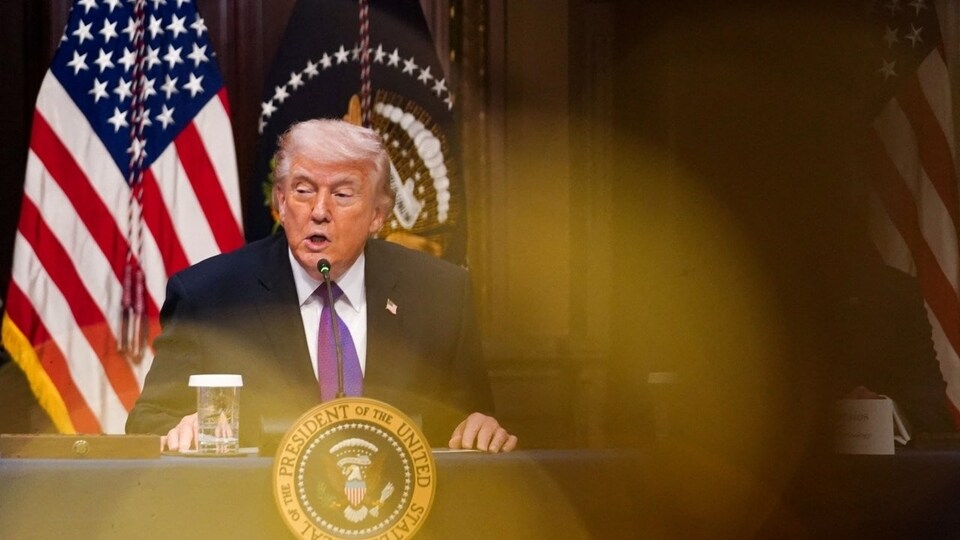
At the heart of this evolution lies Trump's egoistic approach to foreign policy, where decisions often appear driven more by personal vindication than strategic calculus. Historical analyses portray Trump's diplomacy as ego-driven, characterised by a lack of empathy and a focus on self-promotion over institutional processes. In his first term, actions like the 2020 assassination of Iranian General Qassem Soleimani were touted as bold strokes that weakened adversaries without full-scale war, aligning with MAGA's peace through strength rhetoric. Now, in 2026, Trump's insistence on unconditional surrender from Iran echoes this pattern, with administration officials like secretary of defence Pete Hegseth emphasising regime decapitation and economic rebuilding under US-approved leadership.
Critics argue that this stems from Trump's ‘unbridled, egotistical narcissism,’ where US interests take a backseat to his need for dominance and adulation. For instance, his public musings that the war could last "forever" until victory underscore a personalisation of policy, risking escalation for the sake of appearing unyielding. This egoism is nuanced by Trump's deal-making instincts; he has floated negotiations post-strikes, suggesting a blend of bravado and pragmatism, though detractors see it as erratic chaos rather than calculated strategy.
Compounding this is Trump's deployment of supremacy tactics, reasserting US hegemony in a multipolar world. The 2025 National Security Strategy explicitly calls for American preeminence in the Western Hemisphere via a revived Monroe Doctrine with a Trump corollary, extending to global arenas like the Indo-Pacific. In Iran, this manifests as overwhelming military superiority, air supremacy achieved through stealth bombers and precision strikes framed as restoring western identity and curbing the China-Russia-Iran axis.
Such tactics evoke critiques of underlying supremacist undertones, with the strategy accused of reinforcing authoritarianism and hierarchies at home and abroad. Trump's alliances with far-Right European figures and pardons for January 6 participants signal a broader ideological shift, where MAGA evolves from isolationism to selective militarism justifying US dominance. However, this supremacy is not absolute; it risks alienating allies, as seen in European hesitance to fully back regime change, viewing it as strategic lunacy. Observers note that while Trump condemns post-Cold War globalism, his approach ironically demands exclusive US control over regions and supply chains, blending nationalism with imperial overreach.
Central to the Iran conflict is Trump's intensified pressure on anti-US countries, a hallmark of MAGA's confrontational stance. Building on first-term maximum pressure campaigns, sanctions, withdrawals from deals like the JCPOA, and threats, Trump has escalated to direct military action, demanding Iran renounce nuclear ambitions and proxy networks. This extends to allies like Venezuela and Cuba, with hints of post-Iran focus on regime change there, labeling them extraordinary threats due to ties with Russia and China. Pressure tactics include arming dissidents, freezing assets, and leveraging Gulf States to curb investments, aiming to isolate adversaries economically and militarily. Trump's rhetoric, such as threats of ‘something very tough’ absent concessions, underscores a bullying style that prioritises US leverage over multilateralism. Yet, this approach is nuanced by domestic politics; amid low approval ratings, the war is seen as gambling for resurrection, diverting from internal crises like inflation from disrupted oil supplies. Critics warn it echoes failed interventions, potentially entangling the US in quagmires despite promises of brevity.
The conflict has fractured MAGA, highlighting the tension between ego-driven supremacy and isolationist roots. Prominent voices like Tucker Carlson, labelling strikes "disgusting and evil," and Candace Owens urging avoidance of military service, accuse Trump of prioritising Israel over America. Marjorie Taylor Greene and Megyn Kelly echo this, decrying it as "America Last." Trump's retort that critics like Carlson are "not MAGA" reveals egoism in redefining the movement around himself. Internal divisions pit restrainers like Tulsi Gabbard against hawks like Marco Rubio, with Trump bypassing Congress for unilateral action. Polls show Republican support at 77%, but overall approval dips to 25%, signaling broader skepticism.
The Iran conflict fits MAGA as a high-stakes assertion of US primacy, but it amplifies Trump's egoistic impulses, supremacy tactics, and coercive pressures in ways that strain the coalition. If successful, it could cement Trump's legacy as a transformative leader, stabilising energy markets and countering rivals. Yet, risks of prolonged war, casualties (six US deaths so far), and economic fallout loom large, potentially fracturing MAGA beyond repair ahead of 2026 mid-terms. This nuanced reality underscores that while MAGA promises strength, its execution under Trump blends visionary ambition with perilous personalisation, challenging the movement's future coherence.
This article is authored by Pravesh Kumar Gupta, associate fellow (Eurasia), Vivekananda International Foundation, New Delhi.


