
 E-Paper



India’s continued relevance in a complex multipolar world
This paper is authored by SK Gadeock, ORF, New Delhi.

 Prefer HTon Google


India’s strategic culture has evolved through millennia of civilisational continuity, philosophical introspection, and pragmatic statecraft. Rooted in traditions of intellectual enquiry and adaptability, it reflects an enduring synthesis of ideas drawn from its ancient texts, historical encounters, and modern experiences. From the principles of Kautilya’s Arthashastra to the ethos of Vasudhaiva Kutumbakam (the world is one family), India’s approach to power and security has been guided by the balance between moral responsibility and strategic necessity. This brief explores the interrelationship between strategy and culture, examining how India’s unique civilisational identity continues to shape its contemporary national security outlook in a multipolar world. The study concludes that India’s rise as a responsible global actor depends on institutionalising a framework for strategic culture that blends historical insight with forward-looking pragmatism.
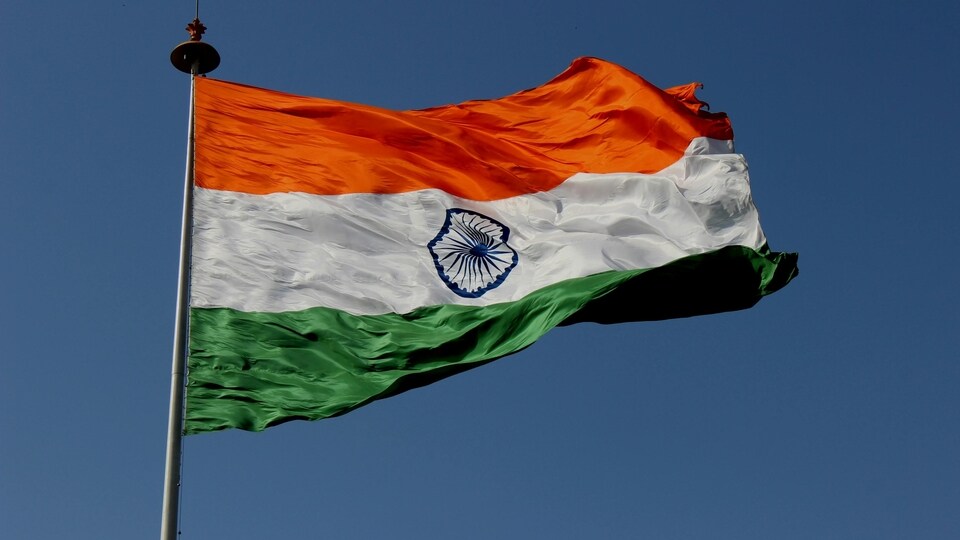
Indian civilisation is among the world’s oldest and most diverse, shaped over millennia by influences such as the Indus Valley civilisation, Vedic tradition, the Mauryan and Gupta empires, Islamic rule, and British colonialism. Known for its rich traditions in art, music, dance, cuisine, and spirituality, India is home to an array of languages, religions, and ethnic groups, all of them contributing to the nation’s dynamic cultural landscape. India has produced strategic thinkers like Chanakya and Thiruvalluvar, whose lessons on statecraft, diplomacy, economics, and warfare remain relevant in the contemporary world. In the post-Independence era, India’s strategic culture has emphasised non-alignment, diplomacy, and peaceful co-existence. Indeed, the country has a long history of successfully managing external threats and has developed a strategic doctrine focused on defence, deterrence, dissuasion, and dialogue. These principles are reflected in key events: The loss of Gilgit to Pakistan in 1947, China’s annexation of Aksai Chin in the 1950s, the decision not to utilise the Indian Air Force (IAF) during the 1962 war, the underutilisation of leverage from 93,000 Pakistani prisoners of war (POWs) in 1971, restraint during the Kargil conflict (1999), and the ongoing challenges in Jammu and Kashmir.
This paper can be accessed here.
This paper is authored by SK Gadeock, ORF, New Delhi.


